
Get the App
For Doctors
Login/Sign-up


Health Feed
AllQ&AsTipsQuizzes


Home Remedies for Painful Periods Tips
Last Updated: 6 years ago• Featured Tip
Share
Bookmark
Report
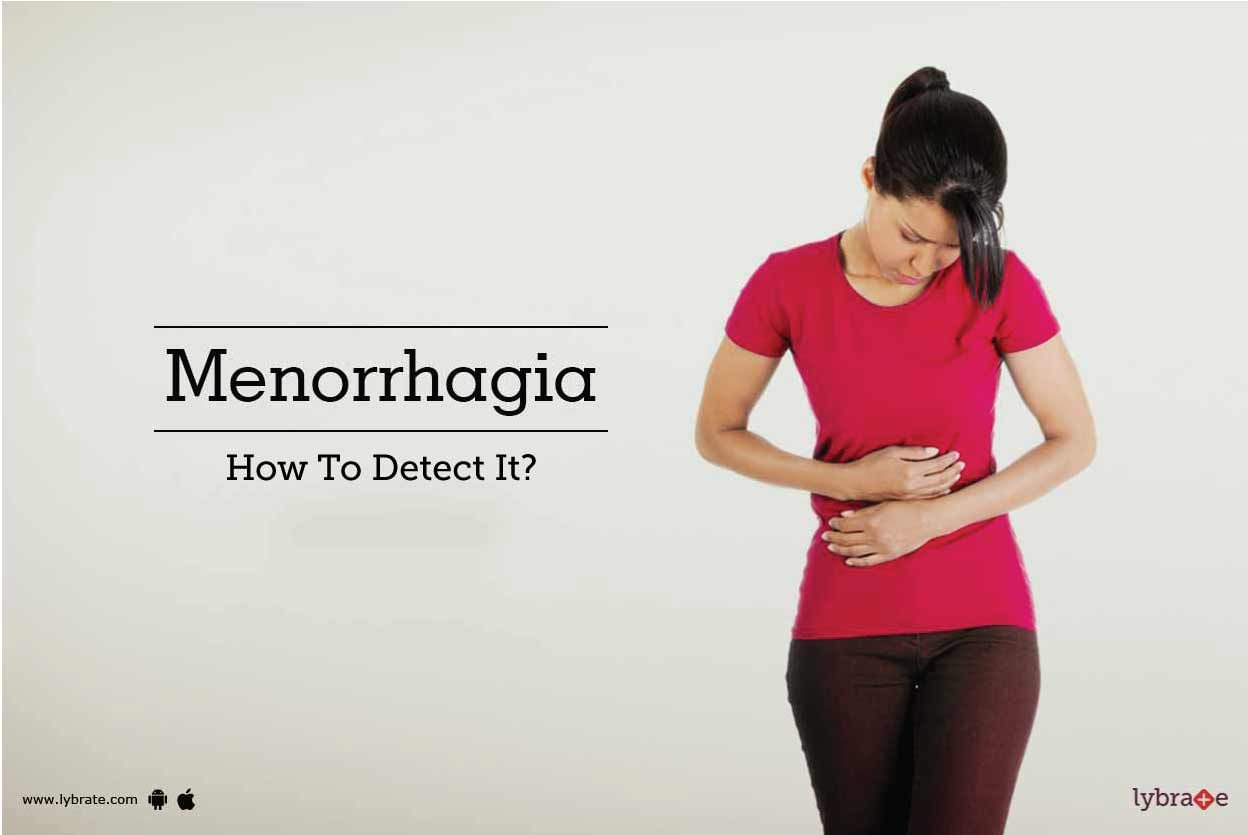
Menorrhagia refers to very heavy and prolonged menstrual bleeding or periods in women. The bleeding is abnormal in nature, and if this continues for a long time, a hysterectomy surgery needs to be carried out to solve the problem.
Bleeding during the night time and passage of large blood clots during menstruation are other symptoms of Menorrhagia.
Causes:
The various possible causes of this kind of heavy menstrual bleeding are:
Hormonal imbalance, specifically...more
Bleeding during the night time and passage of large blood clots during menstruation are other symptoms of Menorrhagia.
Causes:
The various possible causes of this kind of heavy menstrual bleeding are:
Hormonal imbalance, specifically...more
Last Updated: 6 years ago• Featured Tip
Share
Bookmark
Report

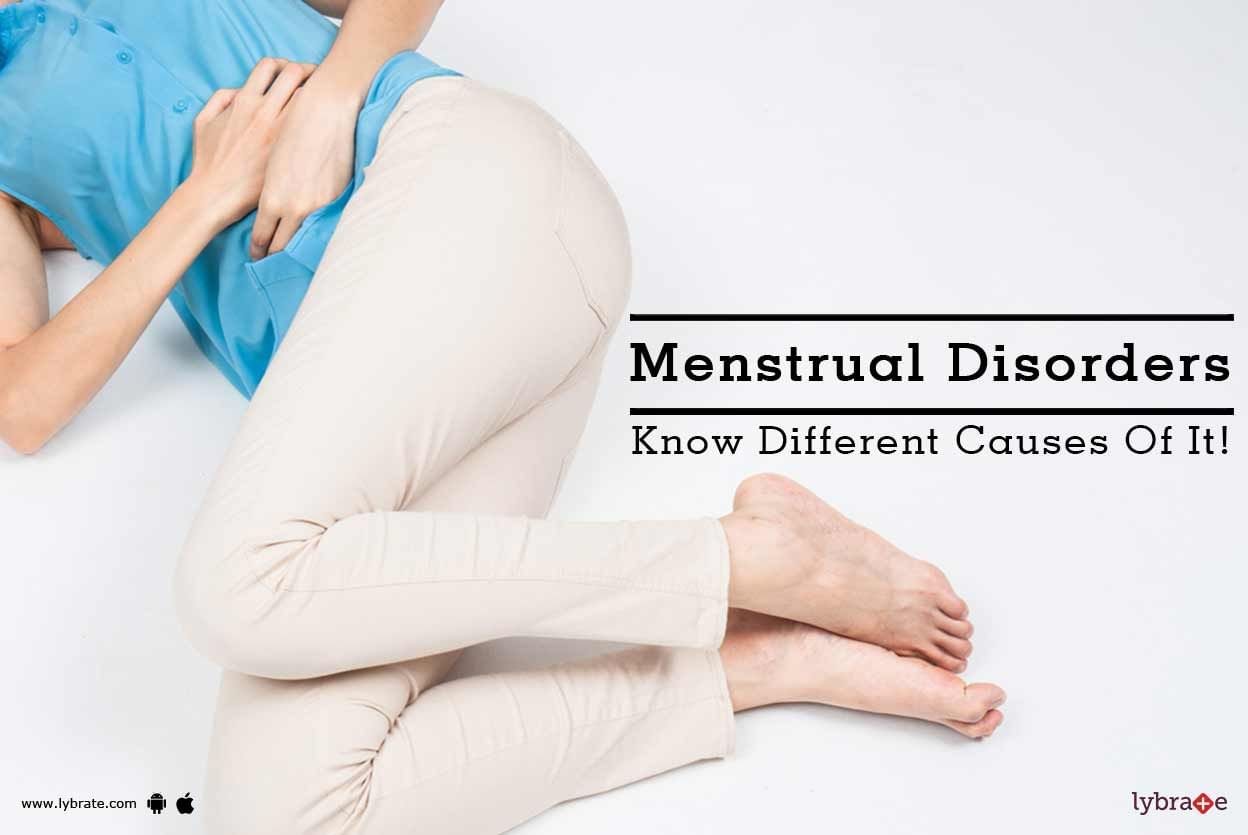
Menstrual disorders are caused by a variety of factors and affect every woman in a different manner. In most cases, it manifests itself in the form of fluctuations in menstrual flow and irregularity in the monthly cycle. Certain disorders are not too severe and can be easily alleviated. Others are more complicated and require the immediate attention of a gynecologist.
As mentioned, there are different specific causes of different kinds of disorders resulting from a range of factors such...more
As mentioned, there are different specific causes of different kinds of disorders resulting from a range of factors such...more
Last Updated: 6 years ago• Featured Tip
Share
Bookmark
Report

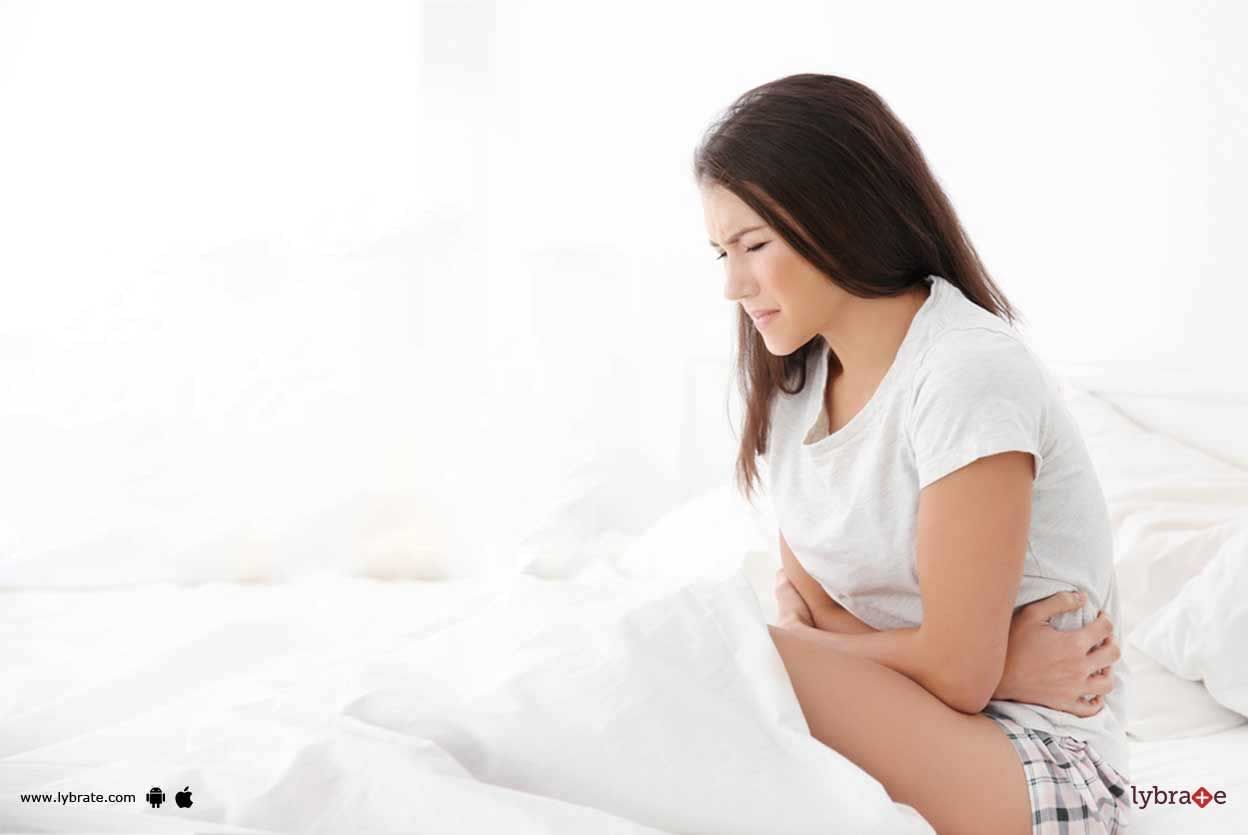
Endometriosis is a disease in which cells that form the lining of the uterus grows at abnormal locations. These cells grow on organs like ovaries, urinary bladder or rectum.
Symptoms that can be accompanied by this condition are as follows:
Pelvic pain or cramps before or during menstrual period
Pain during or post sex
Pain at the time of ovulation
Pain during bowel movements
Rectal bleeding during period
Pain during urination
Lower back painmore
Symptoms that can be accompanied by this condition are as follows:
Pelvic pain or cramps before or during menstrual period
Pain during or post sex
Pain at the time of ovulation
Pain during bowel movements
Rectal bleeding during period
Pain during urination
Lower back pain
Last Updated: 6 years ago• Featured Tip
Share
Bookmark
Report
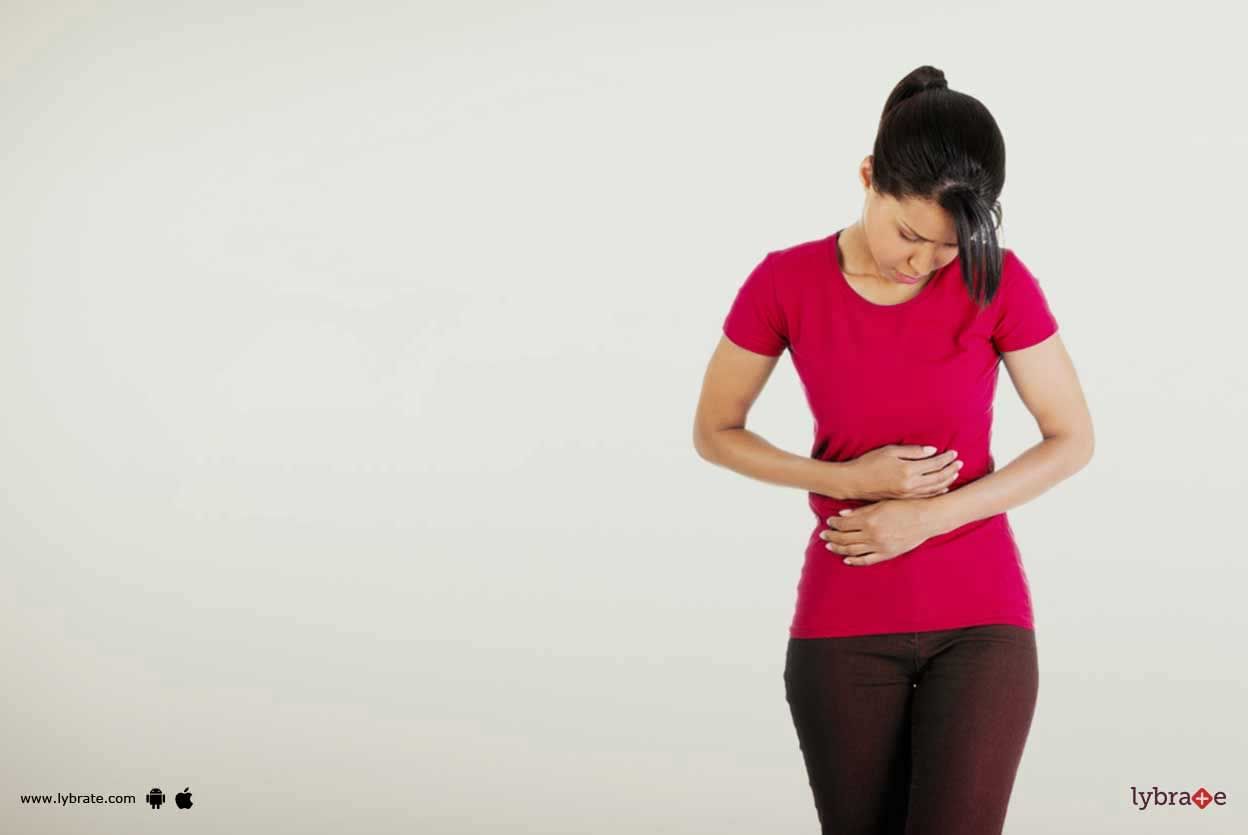
Menstruation is the monthly discharge of blood from the vagina, which lasts for about 5 to 6 days. It is the shedding of the inner lining of the uterus, when pregnancy does not occur after the release of egg from the ovary. Menstrual periods are generally often accompanied by painful cramps in the lower abdomen, heavy bleeding, weakness, water retention, irritability and malaise.
What is Menorrhagia?
Very heavy or prolonged periods are medically termed as menorrhagia. It is abn...more
What is Menorrhagia?
Very heavy or prolonged periods are medically termed as menorrhagia. It is abn...more
Last Updated: 6 years ago• Featured Tip
Share
Bookmark
Report

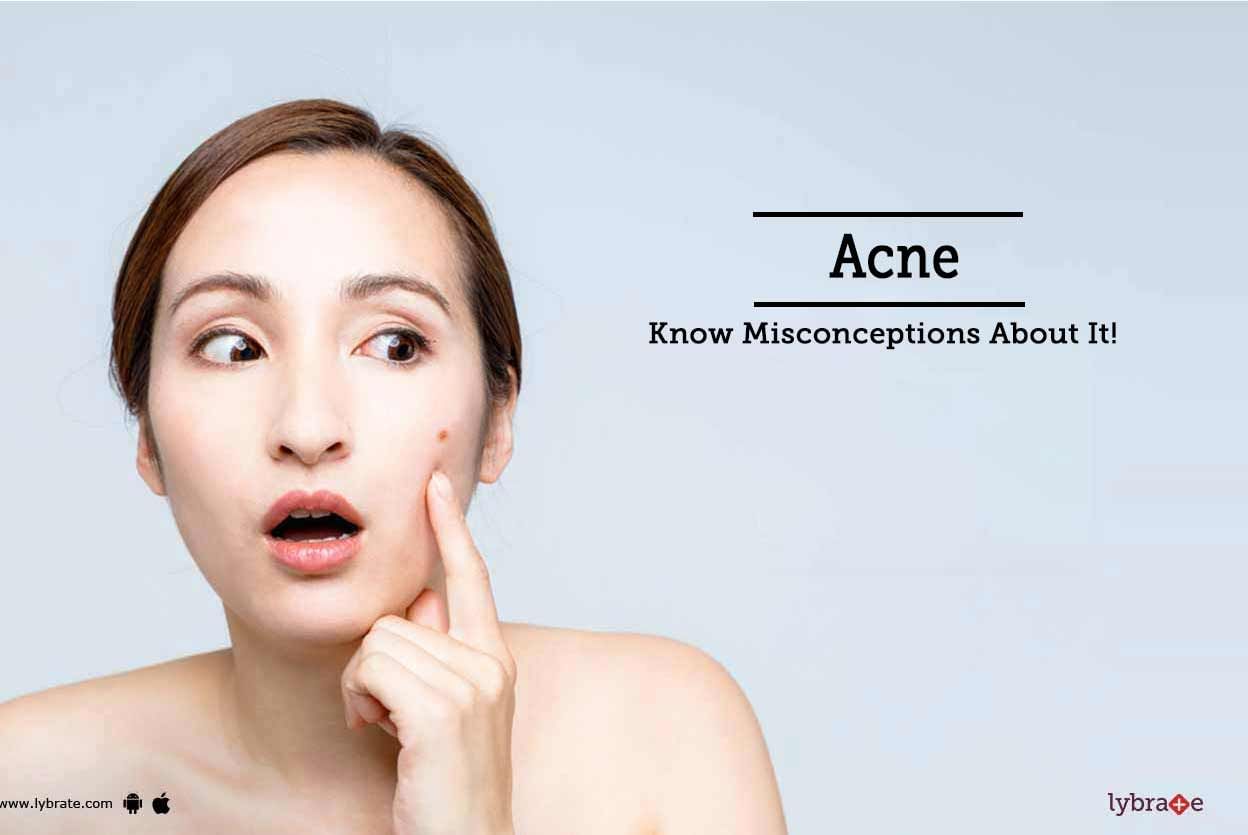
Acne can be frustrating and annoying. A lot of unnecessary chaos can be avoided if people get the facts right.
1. Myth: Adults do not suffer from acne problems
Truth: While acne outbreaks are common amongst teenagers, adults are not spared either. In adults, the acne problems are essential of two types; the late onset acne and the persistent acne. In many cases, it has been observed that the acne problems appear at a later period, mostly after 23 to 25 years of age (late onset acne)...more
1. Myth: Adults do not suffer from acne problems
Truth: While acne outbreaks are common amongst teenagers, adults are not spared either. In adults, the acne problems are essential of two types; the late onset acne and the persistent acne. In many cases, it has been observed that the acne problems appear at a later period, mostly after 23 to 25 years of age (late onset acne)...more
Last Updated: 6 years ago• Featured Tip
Share
Bookmark
Report

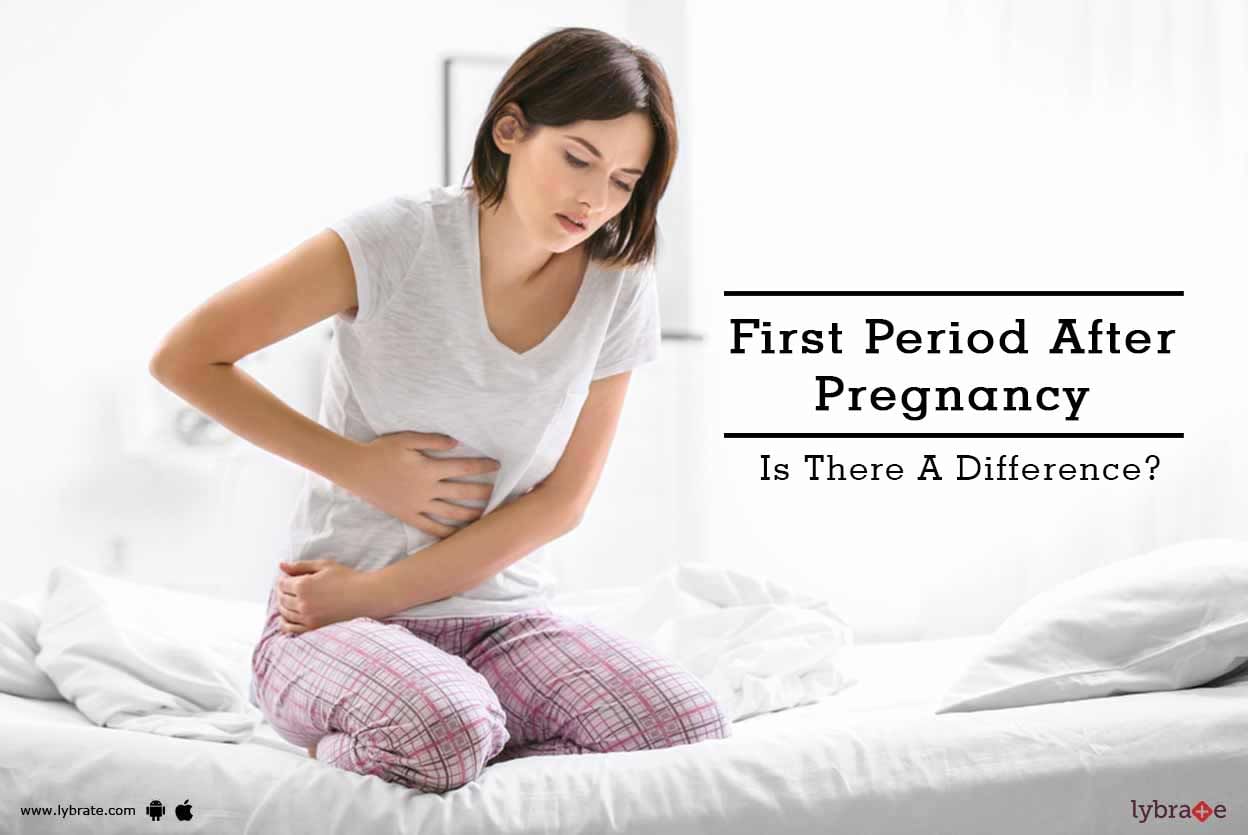
Having a child is one of the best things that can happen to a woman. While giving birth to a child is a very happy scenario, something called postpartum menstrual pain can act as a damper. Postpartum menstrual pain occurs during the first period post-delivery. To understand it in a better way, here is a detailed overview that should help you out:
Period after childbirth
Periods usually return after 7-8 weeks of the delivery, provided there is no breastfeeding. If you breastfeed, t...more
Period after childbirth
Periods usually return after 7-8 weeks of the delivery, provided there is no breastfeeding. If you breastfeed, t...more
Last Updated: 6 years ago• Featured Tip
Share
Bookmark
Report

Uterine fibroids, also known as leiomyomata, are non-cancerous growths which develop in and around the uterus or the womb and form benign tumors in course of time. Though there are several types of uterine fibroids, they are all consistently similar in their genetic makeup. They are generally classified depending on their specific locations:
Myometrial or intramural fibroids
Submucosal fibroids
Subserosal fibroids
Pedunculated fibroids
Signs and symptoms
In most...more
Myometrial or intramural fibroids
Submucosal fibroids
Subserosal fibroids
Pedunculated fibroids
Signs and symptoms
In most...more
Last Updated: 6 years ago• Featured Tip
Share
Bookmark
Report

More than half of the women who menstruate, tend to go through pain from period cramps for a day or two every month. During the menstrual cycle, the uterus contracts to remove its coating or lining. Hormone like substances, called prostaglandins, which are the cause for pain and aggravation, trigger the uterine muscle contractions. More elevated levels of prostaglandins are linked with more severe menstrual cramps.
While menstrual cramps, additionally called dysmenorrhea, are normally n...more
While menstrual cramps, additionally called dysmenorrhea, are normally n...more
Last Updated: 6 years ago• Featured Tip
Share
Bookmark
Report

PMS is often treated as a joke but for many women, it is a monthly nightmare. Muscle cramps, headaches, bloating, breast tenderness, anxiety and depression are common symptoms of PMS. Though there is no set cure for PMS here are a few tips that will help you deal with it.
1. Set yourself an exercise routine
Exercising not only helps you maintain weight but also helps dealing with PMS. All you need are 30 minutes a day set aside to go for a brisk walk, jog, swim or even dance. A...more
1. Set yourself an exercise routine
Exercising not only helps you maintain weight but also helps dealing with PMS. All you need are 30 minutes a day set aside to go for a brisk walk, jog, swim or even dance. A...more
Last Updated: 6 years ago• Featured Tip
Share
Bookmark
Report

Most women attain menopause between the ages of the late 40s and early 60s, the average age being about 51. This is an important milestone in a women-s gynecological history. One major change is altered female hormone levels, and this leads to a lot of physiological changes. From hot flashes to mood swings, there is also increased predisposition to osteoporosis and uterine cancer.
If you have not had your menstrual cycles for close to 12 months, chances are you are into menopause. So, t...more
If you have not had your menstrual cycles for close to 12 months, chances are you are into menopause. So, t...more


Book appointment with top doctors for Home Remedies for Painful Periods treatment
View fees, clinic timings and reviews


Ask a free question
Get FREE multiple opinions from Doctors
posted anonymously