Varicose Vein Leg Pain
Hi doctor's, my scrotum are sagging from past 1 year and a thick, lumpy discharge is forming I keep cleaning everyday bu ...


Ask Free Question
There can be various reasons for sagging of the scrotum and the presence of a thick, lumpy discharge. Some possible causes include: 1. Testicular atrophy: this refers to the shrinking of the testicles, which can lead to sagging of the scrotum. Testicular atrophy can be caused by factors such as hormonal imbalances, certain medications, infections, or underlying medical conditions. 2. Epididymitis: this is the inflammation of the epididymis, a coiled tube located behind each testicle that stores and carries sperm. Epididymitis can cause swelling, pain, and a thick discharge from the penis. It is commonly caused by bacterial infections, but can also be due to viral infections or other factors. 3. Hydrocele: a hydrocele occurs when fluid accumulates in the sac around the testicle, causing swelling and sagging of the scrotum. While hydroceles are usually painless, they can sometimes be associated with discomfort or a heavy feeling in the scrotum. 4. Sexually transmitted infections (stis): certain stis like gonorrhea or chlamydia can cause symptoms such as discharge from the penis and discomfort in the scrotum. It is important to get tested if you suspect an sti as they require proper medical treatment. 5. Varicocele: this condition involves enlarged veins within the scrotum, similar to varicose veins in the legs. Varicoceles can cause sagging of the scrotum and may be associated with discomfort or pain. 6. Other factors: there are other potential causes for scrotal sagging and discharge, including skin infections, allergies, dermatitis, or even certain types of cancer. However, these are less common and would require a thorough evaluation. Given the complexity of your symptoms, it is crucial to seek medical attention. You can consult me to conduct a physical examination, review your medical history, and may order additional tests such as blood test, urine analysis.



I am 37 years old diabetic patient. I got diabetic in my 1st pregnancy. Recently I joined a school where I had to stand. ...

Ask Free Question
You must check your vitamin b12 levels, there is a possibility of deficinecy. Also, there are simple exercises you must consider, to prevent the effects of long term standing and the associated pain. Please consult for appropritae guidance and a lifestyle prescription along with relevant medicines as per evaluation. You may visit the website of my clinic for more details of lifestyle medicine.

I am 56 year old female in teaching profession. From past 2 months I am having leg pain and doctors diagnosed as varicos ...

Ask Free Question
Follow these herbal combinations for complete cure ras raj ras 1 tablet twice a day ashta moorti avleh 10 gm twice a day.
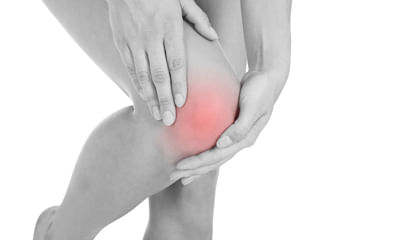
Hello! i'm 22 years old. I've this strange venous problem in my legs. I get extreme pain in legs during summers. I have ...

Ask Free Question
Compression wearing compression stockings is vital for preventing and treating varicose veins. They steadily squeeze your legs to help improve your circulation. They may also help to relieve pain, discomfort or swelling in your legs. Walking just walk more. It’s a great way to encourage blood circulation in your legs. Pedaling lie flat on your back. Place your hands out to your sides. If you prefer you can place them beneath your buttocks to prevent strain to the lower back. Lift your legs off the floor, and pedal them as if you were pedaling a bicycle. The more you elevate your legs, the more you will increase blood circulation. Leg lifts lie on your back with your hands beneath your buttocks. Keep your buttocks pressed down, and your lower back against the floor. Lift one leg at a time and hold in an elevated pose perpendicular to the floor until you feel the blood begin to flow back up from your feet, calves, and thighs. Repeat with your other leg. Alternately, you can raise both legs and rotate your ankles to further improve leg circulation. Knee bends with ankle flexion lie again on the floor on your back. Slowly pull one knee into your chest, holding onto your leg behind your knee (holding on top of the kneecap puts undue pressure on this delicate joint). Now, point and flex your foot several times. Do this slowly and forcefully – don’t let your foot flap around loosely, but rather tighten the muscles of the calves and the tendons around your ankle. Repeat with the opposite leg. The same measures to treat the discomfort from varicose veins can help prevent them: •watching your weight; •a high-fiber, low-salt diet; •avoiding high heels and tight hosiery; •elevating your legs; •avoid crossing your legs; •changing your sitting or standing position regularly.
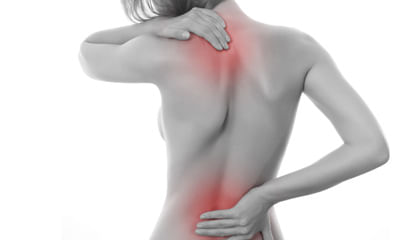
Last year in october, I was given an injection, on the right buttock, as my bp was very low. After a while, light pain a ...
Ask Free Question
How old are you do you have any varicose vein problem or do you have any back pain? Try keeping ice in the area where you have pain you might feel better. If not get back to us we will give you some suggestions. This is a general knee pain and for this you can follow these measures: one keep a pillow right under the knee while sleeping, next is you can keep ice in the painful area for about 5--10 minutes, it looks like you are is important to check that. Anaemia always leads to the symptoms of being tired and also having body pain though there may not be any pathological reasons for knee pain. With knee exercises you will definitely feel better and muscles must be strengthened.•don't play through pain. As soon as you notice exercise-related knee pain, ice the area and rest. Until your knee is pain-free, avoid activities that put stress on your patellar tendon. •strengthen your muscles. Strong thigh muscles are better able to handle the stresses that can cause patellar tendinitis. Eccentric exercises, which involve lowering your leg very slowly after extending your knee, are particularly helpful. •improve your technique. To be sure you're using your body correctly, consider taking lessons or getting professional instructions when starting a new sport or using exercise equipment. •therapy •a variety of physical therapy techniques can help reduce the symptoms associated with patellar tendinitis, including back pain it looks like you are anaemic. If you have back pain after you sit for long hours then it is due to your haemoglobin levels as it is important to check that. Anaemia always leads to the symptoms of being tired and also having back / leg pain though there may not be any pathological reasons for back pain. It looks like you are anaemic. And also you have to check with your vitamin and calcium, if the bones are weak then automatically the pain gets triggered more as there is less severity of the pain be strengthened1. Resisted terminal knee extension: make a loop with a piece of elastic tubing by tying a knot in both ends. Close the knot in a door at knee height. Step into the loop with your injured leg so the tubing is around the back of your knee. Lift the other foot off the ground and hold onto a chair for balance, if needed. Bend the knee with tubing about 45 degrees. Slowly straighten your leg, keeping your thigh muscle tight as you do this. Repeat 15 times. Do 2 sets of 15. If you need an easier way to do this, stand on both legs for better support while you do the exercise. 2•standing calf stretch: stand facing a wall with your hands on the wall at about eye level. Keep as arthritis is very common that you get generally bilaterally. Ice therapy would definitely help to reduce the inflammation. We also advise you to use knee cap which would help to prevent the knee from damaging further and also to maintain the quadriceps muscle tone •stretching exercises. Regular, steady stretching exercises can reduce muscle spasm and help lengthen the muscle-tendon unit. Don't bounce during your stretch. 3•strengthening exercises. Weak thigh muscles contribute to the strain on your patellar tendon. Exercises that involve lowering your leg very slowly after extending it can be particularly helpful, as can exercises that strengthen all of the leg muscles in combination, such as a leg press.•this is a general knee pain and for this you can follow these measures: one keep a pillow right under the knee while sleeping, next is you can keep ice in the painful area for about 5--10 minutes, it looks like you are is important to check that. Anaemia always leads to the symptoms of being tired and also having body pain though there may not be any pathological reasons for knee pain. With knee exercises you will definitely feel better and muscles must be strengthened.
Having severe pain in upper left leg since 4 months. Can not sit for more than 5 minutes. ...

Ask Free Question
Hi lybrate-user, most leg pain results from wear and tear, overuse, or injuries in joints or bones or in muscles, ligaments, tendons or other soft tissues. Some types of leg pain can be traced to problems in your lower spine. Leg pain can also be caused by blood clots, varicose veins or poor circulation. Kindly visit near by physiotherapist to rule out the causes and he gives you drug free treatment plan. Thanks and regards
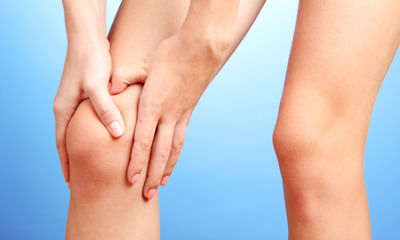
I am 31 year old (female) and I am suffering from varicose vain in my legs since 5 years. Will you advice me how to get ...

Ask Free Question
I am sorry to hear about your concern but will be happy to assist you. If you have varicose veins and experience any of the following symptoms, it's time to give your doctor a call: severe and continuous pain and swelling in the legs. Heaviness and/or dull, achy feeling in the legs at the end of the day, or after physical activity. Let's connect over a call so that we can discuss your concern in details and make a treatment plan for you.
Pain in right leg, no severe orthopedic findings but suffering for more than 7 days. ...
Ask Free Question
I am sorry to hear about your concern but will be happy to assist you. Most leg pain results from wear and tear, overuse, or injuries in joints or bones or in muscles, ligaments, tendons or other soft tissues. Some types of leg pain can be traced to problems in your lower spine. Leg pain can also be caused by blood clots, varicose veins or poor circulation. Let's connect over a call so that we can discuss your concern in details and make a suitable treatment plan for you.
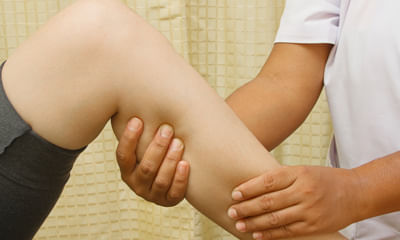
I have affected varicose veins problem past 1 month I my leg below the middle joints early morning the suddenly pull the ...
Ask Free Question
I am sorry to hear about your concern but will be happy to assist you. Varicose veins are usually caused by weak vein walls and valves. Inside your veins are tiny one-way valves that open to let the blood through, and then close to prevent it flowing backwards. Sometimes the walls of the veins become stretched and lose their elasticity, causing the valves to weaken. Let's connect over a call so that we can discuss your concern in details and make a suitable treatment plan for you.
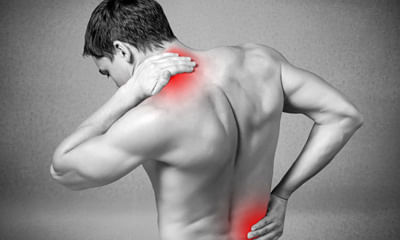
This question is for my 55 y/o mother. Both her legs have suddenly started paining a lot that she's in tears. It's the s ...
Ask Free Question
I am sorry to hear about your concern but will be happy to assist you. Most leg pain results from wear and tear, overuse, or injuries in joints or bones or in muscles, ligaments, tendons or other soft tissues. Some types of leg pain can be traced to problems in your lower spine. Leg pain can also be caused by blood clots, varicose veins or poor circulation. Let's connect over a call so that we can discuss your concern in details and make a suitable treatment plan for you.