

Right Sided Flank Pain
I have been suffering from abdominal pain from last 1 year which started on jan 2023. After gallstone surgery my abdomin ...


Ask Free Question
Yes to conclude your symptoms we will require your blood test, biopsy, colonoscopy, mri etc based on the about only one can suggest you if you are having cancer or not.


Hello sir ,i am vilika swu ,22 years old ,i was having pain in the back from long time n wen I went for ultrasound I had ...

Ask Free Question
You need to diagnose whether the back pain is originally due to back issues or it is due to kidney issues. Kidney pain vs. Back pain because your kidneys are located toward your back and= underneath your ribcage, it may be hard to tell if the pain you’re experiencing in that area is coming from your back or your kidney. The symptoms you’re having can help you figure out which is the source of the pain. The location, type, and severity of the pain are some of the things that will be different depending on whether the pain is from a problem in your kidneys or your back. How to identify kidney painkidney pain is most often caused by a kidney infection or a stone in the tubes coming out of your kidney. If the pain is coming from your kidney, it will have these features: where the pain is located kidney pain is felt in your flank, which is the area on either side of your spine between the bottom of your ribcage and your hips. It usually occurs in one side of your body, but it can occur in both sides. Type of pain kidney pain is usually sharp if you have a kidney stone and a dull ache if you have an infection. Most often it will be constant. It won’t get worse with movement or go away by itself without treatment. If you’re passing a kidney stone, the pain may fluctuate as the stone moves. Radiation of the pain sometimes the pain spreads (radiates) to your inner thigh or lower abdomen. Severity of the pain kidney pain is classified according to how bad it is — severe or mild. A kidney stone usually causes severe pain, and the pain from an infection is usually mild. Things that make it better or worse typically, nothing makes the pain better until the problem is corrected, such as by passing the stone. Unlike back pain, it usually won’t change with movement. Accompanying symptoms if you have a kidney infection or a kidney stone, you may also experience: •fever and chills •nausea and vomiting •cloudy or dark urine •an urgent need to urinate •pain when you urinate •a recent infection in your bladder •blood in your urine (this can happen with an infection or kidney stones) •small kidney stones that look like gravel in your urine how to identify back pain back pain is more common than kidney pain and is usually caused by a problem in the muscles, bones, or nerves in your back. Has the following features: where the pain is located back pain can occur anywhere on your back, but it’s most commonly located in your lower back or one of your buttocks. Type of pain muscle pain feels like a dull ache. If a nerve has been injured or irritated, the pain is a sharp burning sensation that may travel down your buttock to your lower leg or even your foot. Muscle pain may affect one or both sides, but nerve pain usually only affects one side. Radiation of the pain nerve pain may spread to your lower leg. Pain from a muscle usually stays in the back. Severity of the pain back pain is described as acute or chronic based on how long you’ve had it. Acute pain lasts days to weeks, subacute pain lasts six weeks to three months, and chronic pain lasts longer than three months. Things that make it better or worse back pain may get worse with movement or if you sit or stand for a long time. It may get better if you switch positions or walk around. Accompanying symptoms other symptoms you may experience with back pain include: •the painful spot looking swollen and feeling tender to the touch •a muscle spasm in the painful area •numbness or weakness in one or both of your legs (if the pain is due to a nerve issue) if you find you have back pain and can’t hold your urine or bowel movements, something is pressing on your spinal nerves, and you should be evaluated immediately. This condition, called caudaequina syndrome, can cause severe long-term damage to your spinal nerves if not treated right away. 6 imbalances that cause pain—and how to fix them "pain is a medical condition and a medical issue, says brett jones, owner of applied strength in pittsburgh who is certified for the functional movement screen, a system of tests and cor rective exercise strategies. "it's a warning sign. The pain is there to tell you something's wrong.
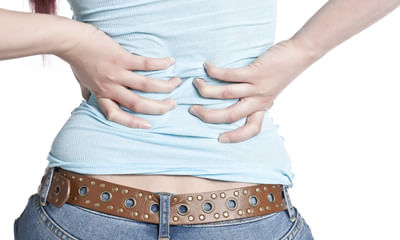
Over the last month and half, i've been experiencing right flank pain, sometimes in the pelvic area. Over the weekend, t ...

Ask Free Question
Hello, please get a urine culture sensitivity test done and also please send your last usg report for purview.

I had a history of renal calculi of 5.5 mm in mid pole of calyx in right kidney. Last month I felt tremendous pain and b ...

Ask Free Question
Follow these herbal combinations for complete cure basant kusumakar ras 1 tablet twice a day gokshuradi avleh 3 gram twice a day.
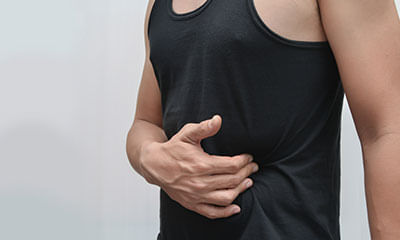
I was diagnosed with pcs (pelvic congestion syndrome) in 2021 after I went there for right flank pain along with right l ...
Ask Free Question
Better take homeopathic medicines for your condition. The other symptoms are of the disease itself. But you should take medicine regularly apart from this do morning exercise and yoga daily avoid non veg items.
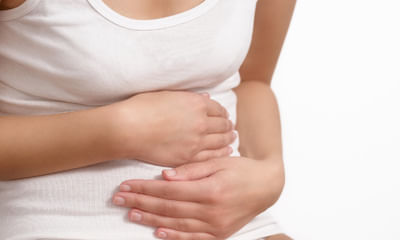
I was travelling by bus one day and I felt like a sharp poking pain on my thighs. I didn't mind it. Then I went home and ...

Ask Free Question
Do a hiv test and hepatitis test better go for pcr or elisa advice - no sex and blood transfusion till you get a negative based on test your treatment will be started. Contact me on url/rajgangpur/doctor/dr-ansuman-dash-microbiologist.
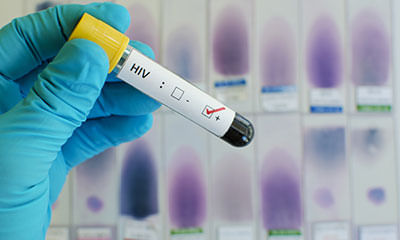
Lycopodium 0/2 how many drops for day for sex timing problem and not feeling empty after urination. ...

Ask Free Question
Adults and children: at the onset of symptoms, dissolve 5 pellets under the tongue 3 times a day until symptoms are relieved or as directed by a doctor. If desired, dissolve 5 pellets under the tongue 15 minutes before or after meals. The signs and symptoms of the stone disease comprise renal colic, flank pain, haematuria, obstructive uropathy, urinary tract infections, blockage of urine flow and hydronephrosis. These conditions may result in nausea and vomiting with associated suffering from the stone event. Regards.
I had diarrhea with severe stomach pain three weeks ago and I took medicines and it stopped in 3 days. But still my stom ...

Ask Free Question
At your age unlikely to be cancer. However, you may take an online consult to clear your doubts. The itchy bumps could be due to medicine. Looks like some infection of intestines. Take light diet, avoid eating out.
I had diarrhea with severe stomach pain three weeks ago and I took medicines and it stopped in 3 days. But still my stom ...

Ask Free Question
Follow this1. Take your breakfast every day. Don't skip it. U should eat whatever your mother or grandparent eat in bfast. I mean to say whatever is your traditional food. If punjabi eat paratha, if belongs to south then take idli/ dosa etc. 2. Don't overeat 3. Don't take tea empty stomach. Eat something like a banana (if you are not diabetic) or any seasonal fruit or soaked almonds and a glass of plain water first thing in the morning (preferably within 10 mins of waking up). No only biscuits or rusk will not do. 4. Have light meals every 2 hours (in addition to your breakfast, lunch n dinner) e.g. Nariyal paani, chaach, a handful of mixed dry fruits, a handful of peanuts, any fresh n seasonal fruit (eat whole fruit not juice), a cup of curd/milk etc 5. Take simple food like rice n dal in dinner. Finish your dinner at least 2 hours before going to sleep. 6. Maintain active life style7. Avoid fast foods, spicy n fried foods, carbonated beverages 8. Take a lot of green vegetables n fruit. 9. Drink lot of water.10. Everyday preferably sleep on same time 11. Take 1tsp of ghee in bfast, lunch n dinner. Exercise in the form of yoga, cycling, swimming, gym etc. Or do suryanamaskar daily url/watch? V=wmhmazurgvs&feature=youtu. Be homeopathy is a very effective for this problem n has very encouraging results. For details, consult online.
I've got a pain in my left side above my hip and below my ribs when it hits I can't breathe I can't walk I can't find a ...
Ask Free Question
Kidney pain vs. Back pain because your kidneys are located toward your back and= underneath your ribcage, it may be hard to tell if the pain you’re experiencing in that area is coming from your back or your kidney. The symptoms you’re having can help you figure out which is the source of the pain. The location, type, and severity of the pain are some of the things that will be different depending on whether the pain is from a problem in your kidneys or your back. How to identify kidney painkidney pain is most often caused by a kidney infection or a stone in the tubes coming out of your kidney. If the pain is coming from your kidney, it will have these features: where the pain is located kidney pain is felt in your flank, which is the area on either side of your spine between the bottom of your ribcage and your hips. It usually occurs in one side of your body, but it can occur in both sides. Type of pain kidney pain is usually sharp if you have a kidney stone and a dull ache if you have an infection. Most often it will be constant. It won’t get worse with movement or go away by itself without treatment. If you’re passing a kidney stone, the pain may fluctuate as the stone moves. Radiation of the pain sometimes the pain spreads (radiates) to your inner thigh or lower abdomen. Severity of the pain kidney pain is classified according to how bad it is — severe or mild. A kidney stone usually causes severe pain, and the pain from an infection is usually mild. Things that make it better or worse typically, nothing makes the pain better until the problem is corrected, such as by passing the stone. Unlike back pain, it usually won’t change with movement. Accompanying symptoms if you have a kidney infection or a kidney stone, you may also experience: •fever and chills •nausea and vomiting •cloudy or dark urine •an urgent need to urinate •pain when you urinate •a recent infection in your bladder •blood in your urine (this can happen with an infection or kidney stones) •small kidney stones that look like gravel in your urine how to identify back pain back pain is more common than kidney pain and is usually caused by a problem in the muscles, bones, or nerves in your back. Has the following features: where the pain is located back pain can occur anywhere on your back, but it’s most commonly located in your lower back or one of your buttocks. Type of pain muscle pain feels like a dull ache. If a nerve has been injured or irritated, the pain is a sharp burning sensation that may travel down your buttock to your lower leg or even your foot. Muscle pain may affect one or both sides, but nerve pain usually only affects one side. Radiation of the pain nerve pain may spread to your lower leg. Pain from a muscle usually stays in the back. Severity of the pain back pain is described as acute or chronic based on how long you’ve had it. Acute pain lasts days to weeks, subacute pain lasts six weeks to three months, and chronic pain lasts longer than three months. Things that make it better or worse back pain may get worse with movement or if you sit or stand for a long time. It may get better if you switch positions or walk around. Accompanying symptoms other symptoms you may experience with back pain include: •the painful spot looking swollen and feeling tender to the touch •a muscle spasm in the painful area •numbness or weakness in one or both of your legs (if the pain is due to a nerve issue) if you find you have back pain and can’t hold your urine or bowel movements, something is pressing on your spinal nerves, and you should be evaluated immediately. This condition, called caudaequina syndrome, can cause severe long-term damage to your spinal nerves if not treated right away. 6 imbalances that cause pain—and how to fix them "pain is a medical condition and a medical issue, says brett jones, owner of applied strength in pittsburgh who is certified for the functional movement screen, a system of tests and cor rective exercise strategies. "it's a warning sign. The pain is there to tell you something's wrong.

