

944+ Best Pathologists
.png)
Dr. Nafia Bukhari
Dr. Sirisha Ommini

Dr. Suraj Kumar Choudhury

Dr. Pankaj Agrawal

Dr. Parveen Verma

Dr. Satyanarayan Soni

Dr. Rohit Sharma
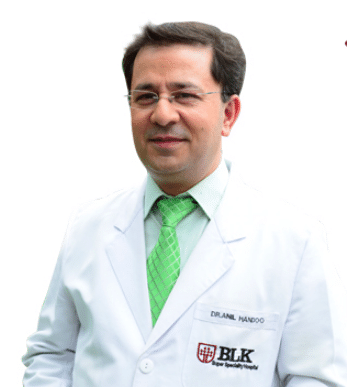
Dr. Anil Handoo

Mr. Akash Vareya

Dr. Meera Rastogi
Best Pathologists
| Doctor's Name | Clinic Fees | Lybrate Ratings |
|---|---|---|
| Nafia Bukhari | ₹ 200 | NA |
| Sirisha Ommini | ₹ 350 | NA |
| Suraj Kumar Choudhury | ₹ 400 | NA |
| Pankaj Agrawal | ₹ 300 | NA |
| Parveen Verma | ₹ 100 | NA |
| Satyanarayan Soni | ₹ 300 | NA |
| Rohit Sharma | ₹ 500 | NA |
| Anil Handoo | ₹ 1,500 | NA |
| Akash Vareya | ₹ 200 | NA |
| Meera Rastogi | ₹ 150 | NA |
Patient reviews for Pathologists
Frequently Asked Questions
Is a pathologist a doctor?
Yes, a pathologist is a medical doctor who specializes in diagnosing and studying diseases by examining tissue and bodily fluid samples. They receive extensive medical training and must earn a medical degree before they can practice as a pathologist.
Where do pathologists work?
Pathologists can work in a variety of settings, including hospitals, clinics, private laboratories, research facilities, and academic institutions. They may also work in government agencies, such as public health departments or medical examiners' offices.
How many years does it take to become a pathologist?
Becoming a pathologist requires extensive education and training. Typically, it takes about 12-15 years of education and training to become a pathologist. This includes 4 years of undergraduate education, 4 years of medical school, and 4-7 years of residency and fellowship training.
What Does A Clinical Pathologist Do?
A clinical pathologist is a type of pathologist who focuses on the diagnosis and treatment of diseases through laboratory testing of bodily fluids and tissues. They may specialize in a particular area of clinical pathology, such as microbiology, hematology, or immunology. Clinical pathologists work closely with other healthcare professionals, including physicians, nurses, and laboratory technicians, to ensure accurate diagnoses and effective treatment plans for patients. They may work in a variety of settings, including hospitals, clinics, research facilities, and private laboratories.