
Get the App
For Doctors
Login/Sign-up


About

Health Feed
AllQ&AsTips


Mosapride Health Feed
Asked for male, 34 years old from Guwahati
Share
Bookmark
Report


do warm salt water gargles daily
do steam inhalation once daily
do not take cold water, soft drinks , always take lukewarm water
do steam inhalation once daily
do not take cold water, soft drinks , always take lukewarm water
Asked for male, 25 years old from Guwahati
Share
Bookmark
Report


1.It could be due to fungal infection
2.Put candid ear drop 2 drop three times daily
3.Avoid using headphone for along period
4.If no relief, get your ear examined by ENT specialist
2.Put candid ear drop 2 drop three times daily
3.Avoid using headphone for along period
4.If no relief, get your ear examined by ENT specialist
Asked for female, 28 years old from Delhi
Share
Bookmark
Report


Take Homeopathic medicine
1) Spigelia. 30.4 pills at morning
2) Silicea 30.4 pills at night
for 7 days.
1) Spigelia. 30.4 pills at morning
2) Silicea 30.4 pills at night
for 7 days.
30 people found this helpful
Health Query
Share
Bookmark
Report


When we are stressed we tend to tense up our muscles and clench our teeth. And when these muscles are tensed for long they start to Ache. Like you said, listening to music helps you relax and consequently your pain goes away. Make a conscious effort to notice your muscles time and again. Set an alarm after every few hours to take a break for 5 mins n practice deep breathing and relaxation. You will observe changes in your stress levels as well as pains. Hope it helps.
125 people found this helpful
Asked for male, 40 years old from Noida
Share
Bookmark
Report

Since your exposed to loud sounds it may damage the inner ear. The condition is causing acoustic trauma. The symptom is called tinnitus. The remedy is to avoid noise exposure for some days normally it ll subside. If not kindly revert back.
40 people found this helpful
Health Query
Share
Bookmark
Report


Tips - avoid pickles and papads and junk food items can eat freshly prepared homemade food items only and Few more tips- avoid any triggering factor, take folicacid regularly, eat a healthy diet, always be stress free , exercise regularly
Asked for male, 22 years old from Hyderabad
Share
Bookmark
Report


Yea it is possibility of migraine..
It can be cured by Homoeopathy..
You can consult me through lybrate...
It can be cured by Homoeopathy..
You can consult me through lybrate...
23 people found this helpful
Asked for male, 38 years old from Mohali
Share
Bookmark
Report


Dear user you need to take a continued Medication for few months to resolve all your issues kindly consult back with past Medical history.
148 people found this helpful
Asked for female, 23 years old from Bhagalpur
Share
Bookmark
Report


Vertigo is a sensation of feeling off balance. If you have these dizzy spells, you might feel like you are spinning or that the world around you is spinning.
Causes of Vertigo
Vertigo is often caused by an inner ear problem. Some of the most common causes include:
BPPV. These initials stand for benign paroxysmal positional vertigo. BPPV occurs when tiny calcium particles (canaliths) clump up in canals of the inner ear. The inner ear sends signals to the brain about head and body...more
Causes of Vertigo
Vertigo is often caused by an inner ear problem. Some of the most common causes include:
BPPV. These initials stand for benign paroxysmal positional vertigo. BPPV occurs when tiny calcium particles (canaliths) clump up in canals of the inner ear. The inner ear sends signals to the brain about head and body...more
Asked for male, 23 years old from Faridabad
Share
Bookmark
Report

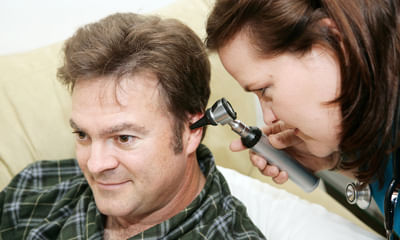
The ear is made up of three parts that work together to process sounds: the outer ear, the middle ear, and the inner ear. Part of the inner ear called the cochlea contains tiny hair cells. These hair cells help send sound messages to the brain. But loud noise can damage the hair cells. When this happens, the cochlea can't relay sound messages to the brain as well.
Unlike damage to other parts of your body, inner ear damage never heals. Over time, as more and more hair cells get damaged, your...more
Unlike damage to other parts of your body, inner ear damage never heals. Over time, as more and more hair cells get damaged, your...more
13 people found this helpful


Ask a free question
Get FREE multiple opinions from Doctors
posted anonymously