
Get the App
For Doctors
Login/Sign-up


About

Health Feed

Find Doctors

Health Packages


Uterine Fibroids Surgery Tips
Last Updated: 7 years ago• Featured Tip
Share
Bookmark
Report


Uterine fibroids are benign growths, which originate in the walls of the uterus. They are also known as 'myomas' or 'fibromyomas' and their sizes tend to vary. You may not realize that you have a fibroid as they do not cause many problems.
The causes of uterine fibroids are:
Hormones: Hormones that stimulate the uterine lining to prepare it for the menstrual cycle are known to aid in the development of uterine fibroids.
Genetic changes: Genetic changes in the cells of the ...more
The causes of uterine fibroids are:
Hormones: Hormones that stimulate the uterine lining to prepare it for the menstrual cycle are known to aid in the development of uterine fibroids.
Genetic changes: Genetic changes in the cells of the ...more
Last Updated: 9 years ago• Featured Tip
Share
Bookmark
Report

Uterine fibroids are benign growths, which originate in the walls of the uterus. They are also known as'myomas' or'fibromyomas' and their sizes tend to vary. You may not realize that you have a fibroid as they do not cause many problems.
The causes of uterine fibroids are
1. Hormones
Hormones that stimulate the uterine lining to prepare it for the menstrual cycle are known to aid in the development of uterine fibroids.
2. Genetic changes
Genetic...more
The causes of uterine fibroids are
1. Hormones
Hormones that stimulate the uterine lining to prepare it for the menstrual cycle are known to aid in the development of uterine fibroids.
2. Genetic changes
Genetic...more
Last Updated: 7 years ago• Featured Tip
Share
Bookmark
Report
Uterine Fibroid Embolization (UFE) is also known as Uterine Artery Embolization (UAE). It is a minimally invasive treatment method for the fibroid tumors or myomas of the uterus. Fibroid tumors are benign in nature, arising from muscular wall of the uterus, and rarely turn cancerous. Generally, they cause pressure on bowel or bladder, heavy menstrual bleeding, and pelvic region pain.
In the UFE, X-ray camera called fluoroscope is used to guide to uterus and fibroids. The delivery of sma...more
In the UFE, X-ray camera called fluoroscope is used to guide to uterus and fibroids. The delivery of sma...more
Last Updated: 9 years ago• Featured Tip
Share
Bookmark
Report

Noncancerous growths of the muscle tissue surrounding the uterus are known as uterine fibroids. This is a common disease which about 70 to 80% of women contract by the time they are 50 years of age. The uterine fibroids can sometimes be very big and cause heavy periods as well as severe abdominal pain while at other times, uterine fibroids give no signs or symptoms whatsoever and go away on their own. This is why it is crucial to know what type of uterine fibroids you have and how to diagnose th...more
Last Updated: 9 years ago• Featured Tip
Share
Bookmark
Report


Many women develop uterine fibroids by the time they hit the age of 50 years and above. These are non-cancerous growths that may occur in the uterus. Most women go through severe bleeding and pain as well as discomfort as a result of these fibroids. Age, family history of the same condition, obesity or being overweight, eating habits and even ethnicity play a large role in deciding the risk of each individual patient. These fibroids can grow in the submucosal, intramural and subserosal areas.more
Last Updated: 8 years ago• Featured Tip
Share
Bookmark
Report
Uterine fibroids are benign growths, which originate in the walls of the uterus. They are also known as 'myomas' or 'fibromyomas' and their sizes tend to vary. You may not realize that you have a fibroid as they do not cause many problems.
The causes of uterine fibroids are:
Hormones: Hormones that stimulate the uterine lining to prepare it for the menstrual cycle are known to aid in the development of uterine fibroids.
Genetic changes: Genetic changes in the cells of the ...more
The causes of uterine fibroids are:
Hormones: Hormones that stimulate the uterine lining to prepare it for the menstrual cycle are known to aid in the development of uterine fibroids.
Genetic changes: Genetic changes in the cells of the ...more
Last Updated: 6 years ago• Featured Tip
Share
Bookmark
Report

Diploma In Gastroenterology, Diploma In ...read more
Homeopathy Doctor•Hyderabad
Definition
Uterine fibroids are noncancerous growths of the uterus that often appear during childbearing years. Also called leiomyomas (lie-o-my-O-muhs) or myomas, uterine fibroids aren't associated with an increased risk of uterine cancer and almost never develop into cancer.
Uterine fibroids develop from the smooth muscular tissue of the uterus (myometrium). A single cell divides repeatedly, eventually creating a firm, rubbery mass distinct from nearby tissue. Fibroid locatio...more
Uterine fibroids are noncancerous growths of the uterus that often appear during childbearing years. Also called leiomyomas (lie-o-my-O-muhs) or myomas, uterine fibroids aren't associated with an increased risk of uterine cancer and almost never develop into cancer.
Uterine fibroids develop from the smooth muscular tissue of the uterus (myometrium). A single cell divides repeatedly, eventually creating a firm, rubbery mass distinct from nearby tissue. Fibroid locatio...more
Last Updated: 8 years ago• Featured Tip
Share
Bookmark
Report

Uterine fibroids are the most frequently occurring tumors in the female reproductive system. These are non-cancerous, grow in or on a female s uterus, and is curable. Many women above the age of 40 suffers from Uterine Fibroids. These Fibroids can grow as a single tumour or can grow in multiple numbers in the Uterus. The size of these fibroids may vary from a tiny spec to as large as a grape. In very rare cases, the fibroid becomes excessively large. However, such an occurrence is unusual. Homeo...more
Last Updated: 6 years ago• Featured Tip
Share
Bookmark
Report

Uterine fibroids can be described as benign tumours that grow on the inner walls of the uterus. Fibroids are a common occurrence among women who are within the childbearing age bracket. These growths are not something to worry about but can disrupt your lifestyle and be uncomfortable. Irregular menses, excessive uterine bleeding, abdominal pain during periods, frequent urination, constipation, anemia and backaches are some of the symptoms associated with this condition.
Homoeopathy has ...more
Homoeopathy has ...more
Last Updated: 6 years ago• Featured Tip
Share
Bookmark
Report

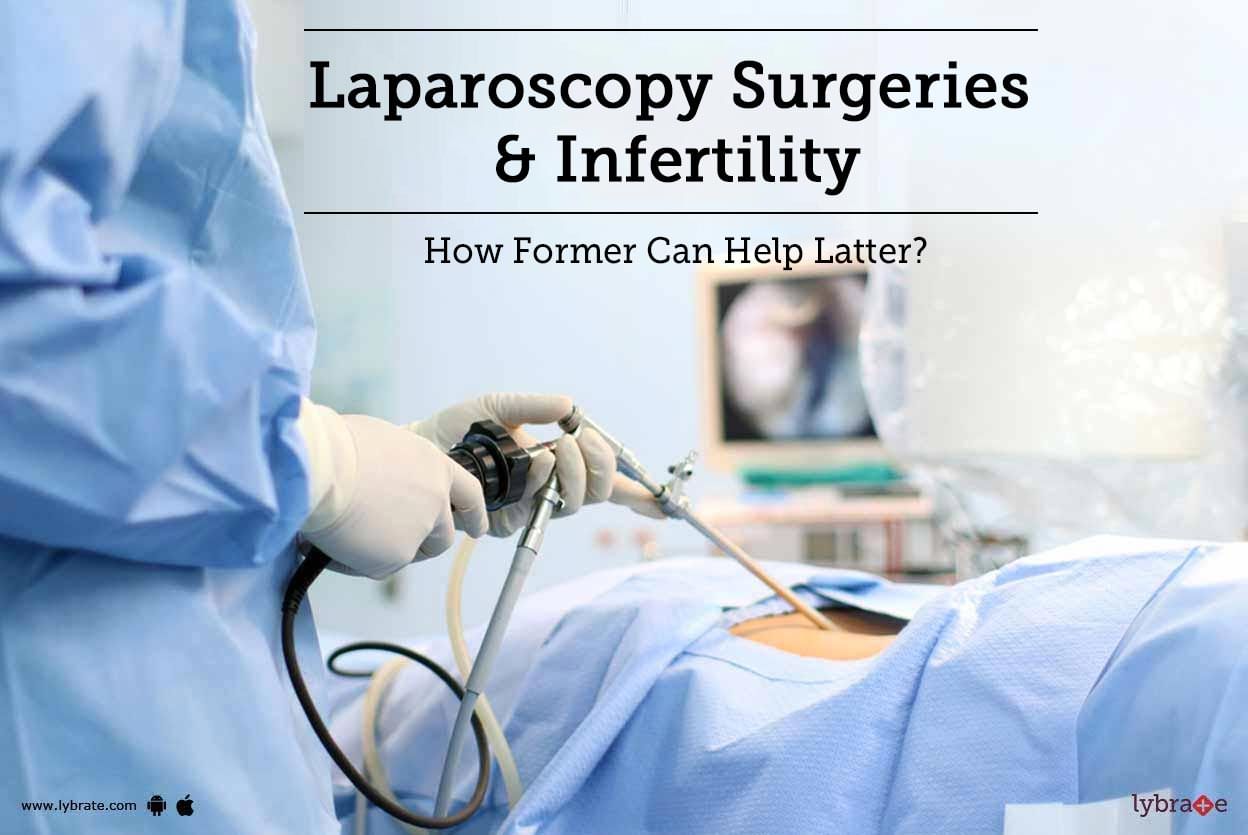
Almost every woman wants to lead a healthy life with their loved ones and experience the joy of motherhood when the right time comes. However, as much as you detest it, the last decade or two has seen a steady rise in gynecological problems. While some of the gynecological conditions are minor and can be easily treated and taken care of, others may give you a hard time. From PCOS to Endometriosis, left untreated, some of these problems may trigger infertility, complicating things further.
more


Book appointment with top doctors for Uterine Fibroids Surgery treatment
View fees, clinic timings and reviews


Ask a free question
Get FREE multiple opinions from Doctors
posted anonymously