
Get the App
For Doctors
Login/Sign-up


Health Feed

Find Doctors

Health Packages
AllQ&AsTipsQuizzes


Post Menopausal Osteoporosis Tips
Last Updated: 6 years ago• Featured Tip
Share
Bookmark
Report


Abnormal enlargement of the thyroid gland, located at the base of the neck, is known as goiter. Goiters usually do not cause pain, but if the size is too large it can cause coughing, breathing, and swallowing difficulty.
Goiter is caused by a deficiency of iodine in the diet. It may also be caused by hypothyroidism or hyperthyroidism. However, symptoms may depend on how the abnormality has developed. Though the symptoms of goiter are ambiguous because of the swelling at the base of the ...more
Goiter is caused by a deficiency of iodine in the diet. It may also be caused by hypothyroidism or hyperthyroidism. However, symptoms may depend on how the abnormality has developed. Though the symptoms of goiter are ambiguous because of the swelling at the base of the ...more
Last Updated: 6 years ago• Featured Tip
Share
Bookmark
Report

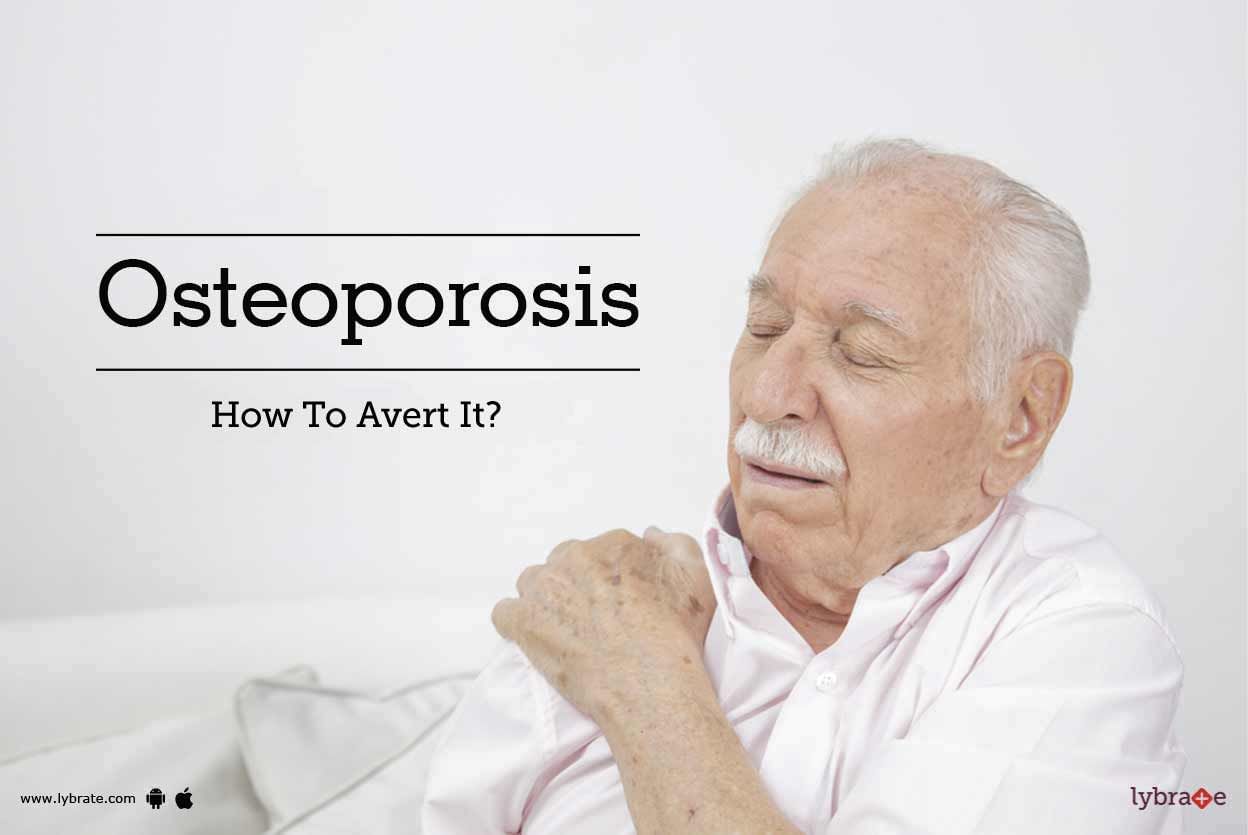
Osteoporosis is a bone disease that happens when bone density decreases and the body stops producing as much bone as it did before. As a result, bones become weak and may break from a fall or, in serious cases, from sneezing or minor bumps. It can affect both males and females but it is most likely to occur in women after menopause, because of a sudden decrease in estrogen, the hormone that usually protects against osteoporosis.
Symptoms of Osteoporosis-
The early stages of ost...more
Symptoms of Osteoporosis-
The early stages of ost...more
Last Updated: 6 years ago• Featured Tip
Share
Bookmark
Report

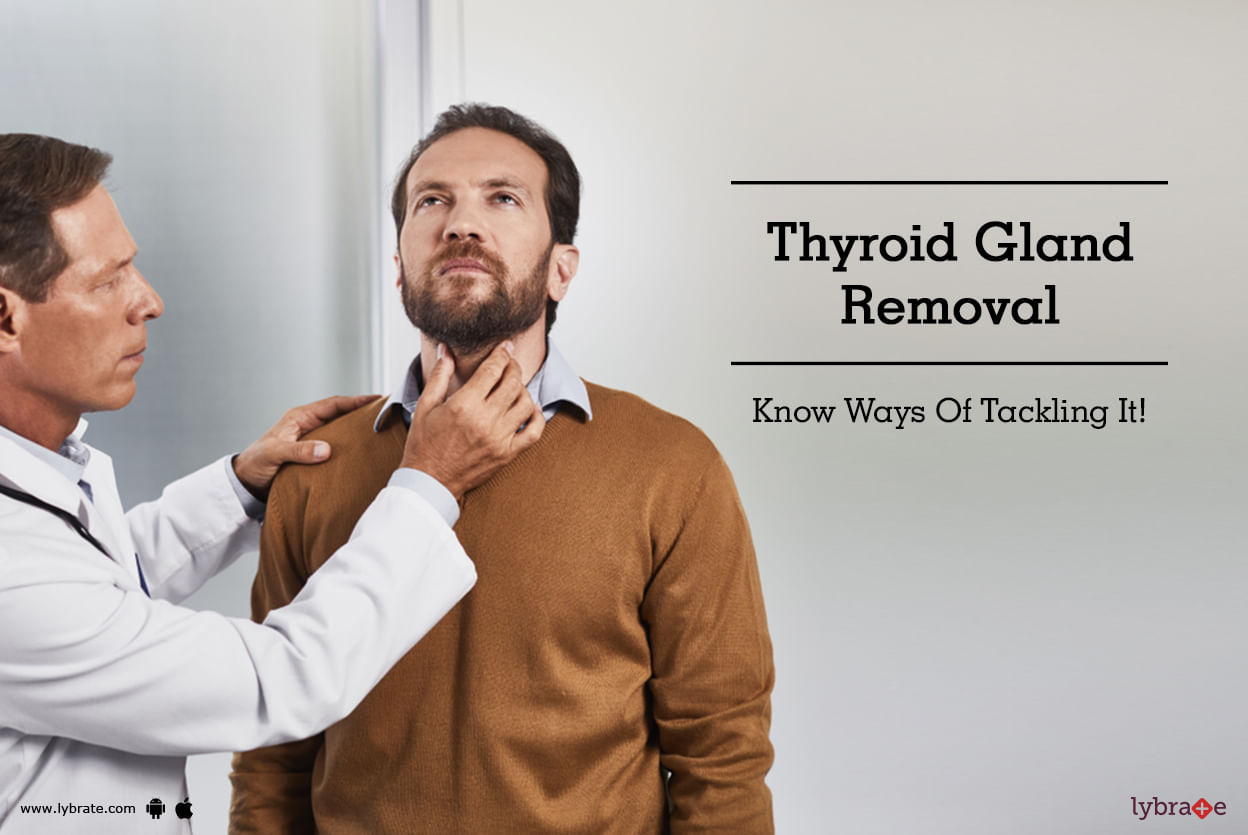
The thyroid may be a small gland but plays a large role in the functioning of the body. It is located just below the voice box. Along with producing hormones that help in the transportation of blood, it also helps regulate metabolism, keeps the organs functioning optimally and helps the body conserve heat. In some cases, when the gland produces excessive hormones or when it develops structural problems, it may become necessary to remove the thyroid gland.
There are several ways of remo...more
There are several ways of remo...more
Last Updated: 6 years ago• Featured Tip
Share
Bookmark
Report

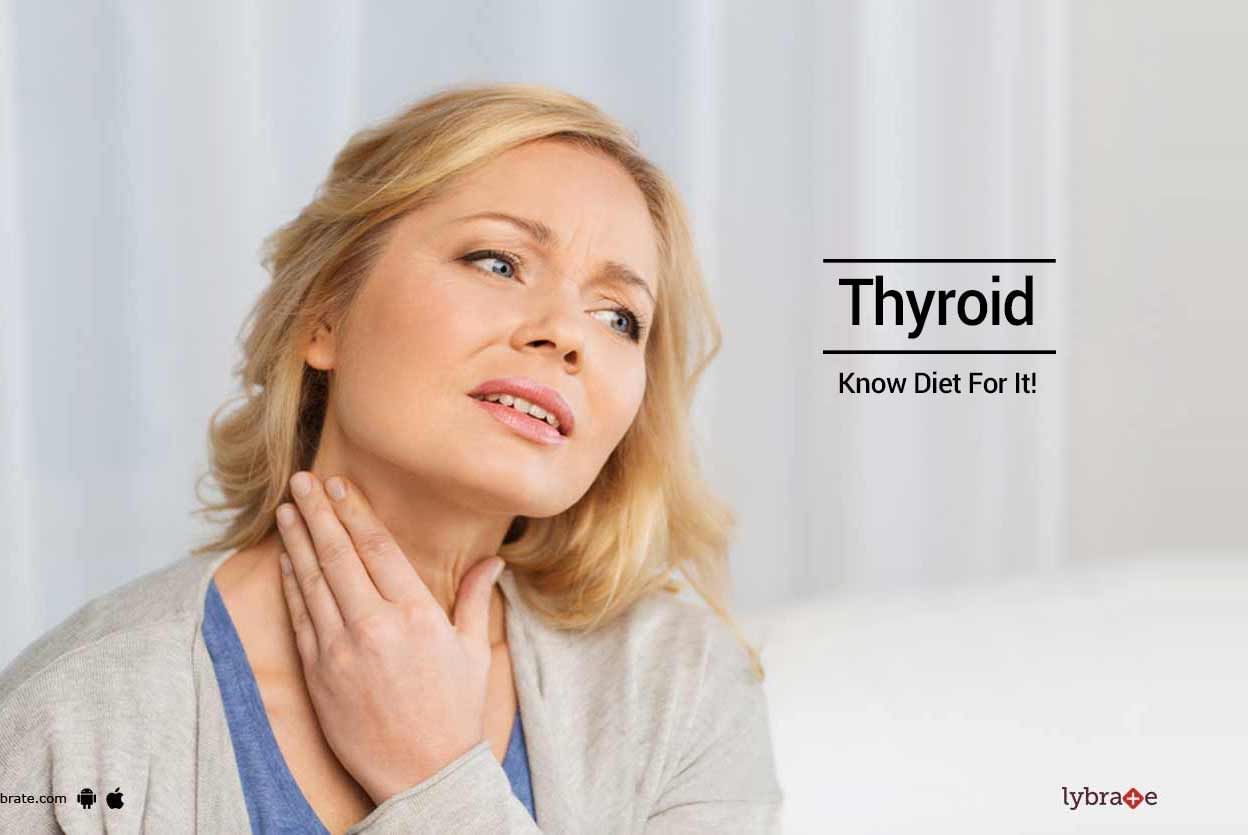
The thyroid hormones, produced by the thyroid glands, play a crucial role in maintaining the metabolism rate and digestive functions in the human body. Any abnormality in the production of such hormones makes the body suffer from some symptoms.
The daily diet and the intake of nutrients play a significant role in influencing the creation of the thyroid hormone. Recent trends in consumer behaviour indicate a preference for eating processed foods and refined sugar-rich items. These action...more
The daily diet and the intake of nutrients play a significant role in influencing the creation of the thyroid hormone. Recent trends in consumer behaviour indicate a preference for eating processed foods and refined sugar-rich items. These action...more
Last Updated: 6 years ago• Featured Tip
Share
Bookmark
Report

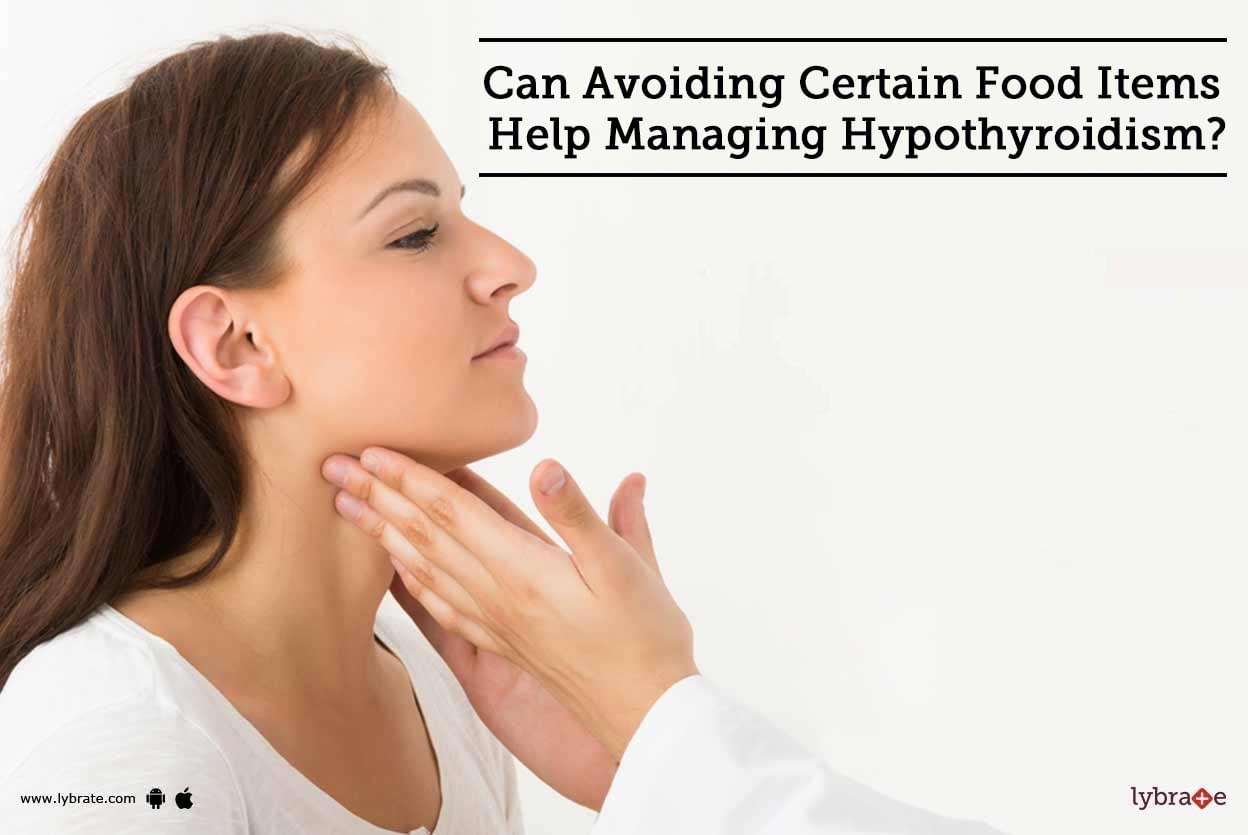
The thyroid is a small gland located on the neck. When the thyroid gland functions normally, it is easy to ignore it but an underactive or overactive thyroid gland can cause a number of problems. An underactive thyroid gland is known as hypothyroidism. In this case, the gland does not produce enough thyroid hormone. This, in turn, lowers metabolism. Your diet plays a large role in influencing the functioning of the thyroid gland. Some of the foods you should avoid in cases of hypothyroidism are:...more
Last Updated: 6 years ago• Featured Tip
Share
Bookmark
Report

All women have two ovaries located on either side of the uterus. They are fundamental to the process of childbirth. However ovarian cysts have emerged as major problems which most women suffer from. In this, small pockets filled with fluids develop on the surface or within the ovaries. Though they are generally harmless, often times disappearing without any treatment, they do have the potential to create complications during childbirth. Treatment of ovarian cysts depends on the size and the quan...more
Last Updated: 6 years ago• Featured Tip
Share
Bookmark
Report

Cardiomyopathy is a heart muscle disease that makes it difficult for your heart to supply blood to the rest of the body. This disease affects the heart s size, shape and structure, hence resulting in heart failure. Some of the common types of cardiomyopathies are
Hypertrophic cardiomyopathy
Restrictive cardiomyopathy
dilated cardiomyopathy.
The disease is generally inherited and some family members might get more affected than others, while others may not suffer at all or co...more
Hypertrophic cardiomyopathy
Restrictive cardiomyopathy
dilated cardiomyopathy.
The disease is generally inherited and some family members might get more affected than others, while others may not suffer at all or co...more
Last Updated: 6 years ago• Featured Tip
Share
Bookmark
Report

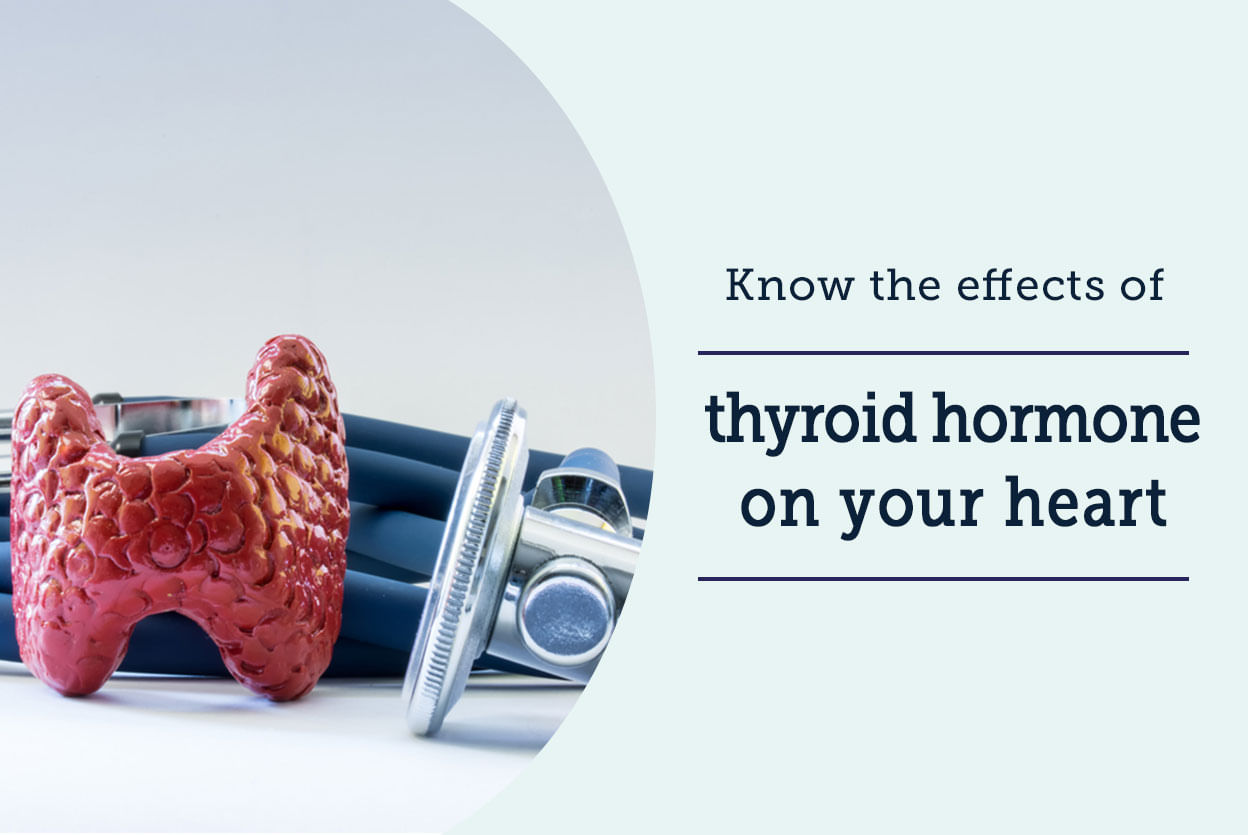
The thyroid gland is situated at the base of the throat. This butterfly-shaped gland secretes hormones which affect almost all parts of the body particularly your heart. The thyroid hormone has an influence on how your heart beats, your blood pressure and the level of your cholesterol. This is why thyroid problems can lead to heart disease. Alternatively if you are already suffering from heart disease, then it can make things worse.
When there are thyroid problems, symptoms such as fa...more
When there are thyroid problems, symptoms such as fa...more
Last Updated: 6 years ago• Featured Tip
Share
Bookmark
Report

Most women attain menopause between the ages of late 40s and early 60s, the average age being about 51. This is an important milestone in a women's gynecological history. One major change is altered female hormone levels, and this leads to a lot of physiological changes. From hot flashes to mood swings, there is also increased predisposition to osteoporosis and uterine cancer.
If you have not had your menstrual cycles for close to 12 months, chances are you are into menopause. So, that ...more
If you have not had your menstrual cycles for close to 12 months, chances are you are into menopause. So, that ...more
Last Updated: 6 years ago• Featured Tip
Share
Bookmark
Report

Most women attain menopause between the ages of late 40s and early 60s, the average age being about 51. This is an important milestone in a women-s gynecological history. One major change is altered female hormone levels, and this leads to a lot of physiological changes. From hot flashes to mood swings, there is also increased predisposition to osteoporosis and uterine cancer.
If you have not had your menstrual cycles for close to 12 months, chances are you are into menopause. So, that ...more
If you have not had your menstrual cycles for close to 12 months, chances are you are into menopause. So, that ...more


Book appointment with top doctors for Post Menopausal Osteoporosis treatment
View fees, clinic timings and reviews


Ask a free question
Get FREE multiple opinions from Doctors
posted anonymously