
Get the App
For Doctors
Login/Sign-up


About

Health Feed

Find Doctors

Health Packages


Melena Health Feed
Asked for female, 50 years old from Mumbai
Share
Bookmark
Report

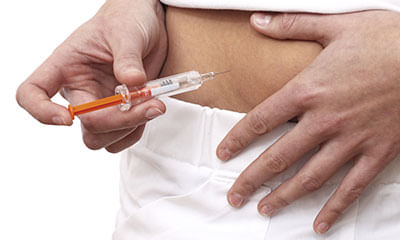
The mainstay of treatment is timely supportive therapy to tackle shock due to hemoconcentration and bleeding. Close monitoring of vital signs in critical period (between day 2 to day 7 of fever) is critical. Increased oral fluid intake is recommended to prevent dehydration. Supplementation with intravenous fluids may be necessary to prevent dehydration and significant concentration of the blood if the patient is unable to maintain oral intake. A platelet transfusion is indicated in rare cases if...more
Last Updated: 8 years ago • Featured Quiz
Share
Bookmark
Report


Defecating in an Indian-styled toilet is a healthier alternative to a commode. True or False. Find out by taking this quiz.
1882 people found this helpful
Asked for male, 0 years old from Bilaspur
Share
Bookmark
Report

1. Take home cooked, fresh light food. Take a lot of green vegetables n fruit. 2. Increasing the fibre in your diet is known to be as effective as injections for preventing further problems
3. Increasing your fluid intake which can help prevent further problems with haemorrhoids
4. Avoiding straining and constipation which is the most useful thing patients can do to prevent the problem coming back. If the fibre content of your diet is not sufficient to keep your stools soft, then a fibre...more
3. Increasing your fluid intake which can help prevent further problems with haemorrhoids
4. Avoiding straining and constipation which is the most useful thing patients can do to prevent the problem coming back. If the fibre content of your diet is not sufficient to keep your stools soft, then a fibre...more
Last Updated: 8 years ago• Featured Tip
Share
Bookmark
Report
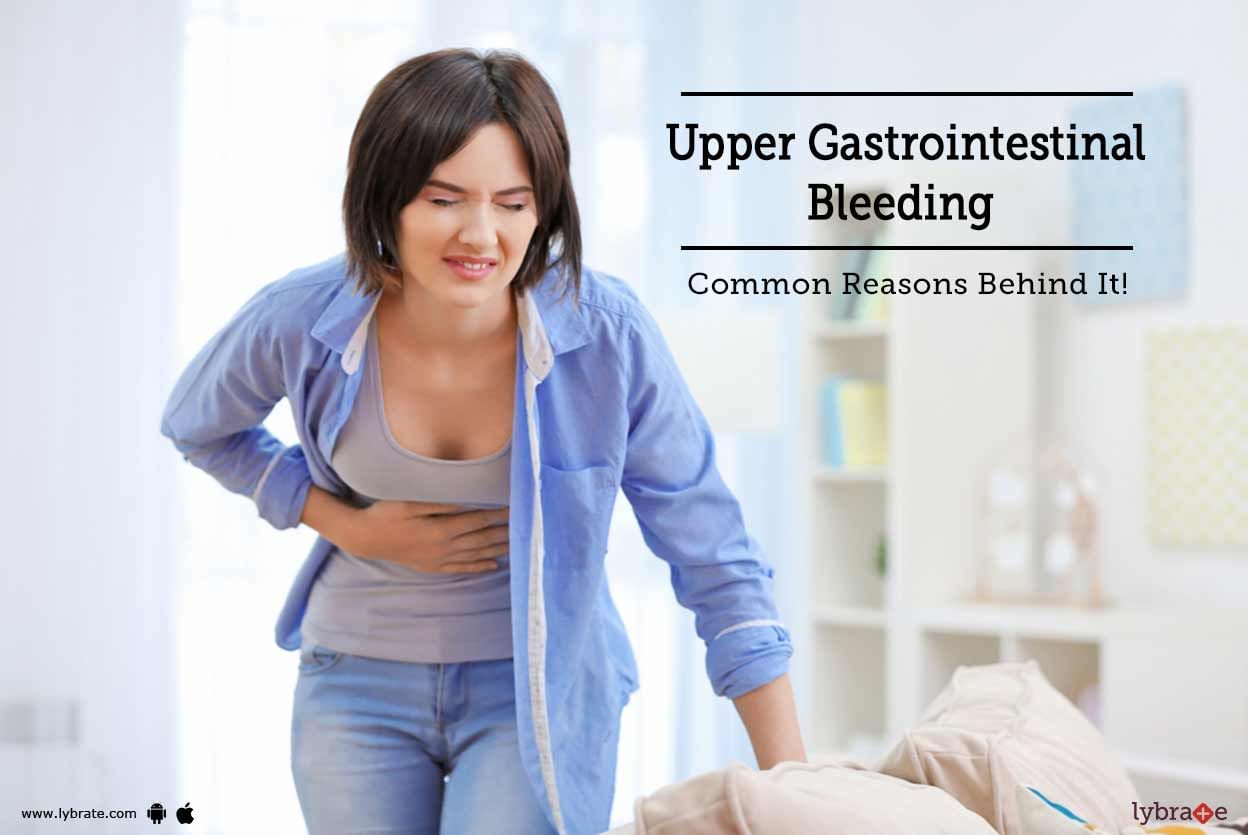
It is gastrointestinal bleeding in the upper gastrointestinal tract, commonly defined as bleeding arising from the esophagus, stomach, or duodenum. Blood is often observed in vomit (hematemesis) or in stool (melena). Upper gastrointestinal bleeding denotes a medical emergency and typically requires hospital care for primary diagnosis and treatment. The incidence of upper gastrointestinal bleeding is 50-150 individuals per 100,000 annually. Depending on its severity, it carries an estimated morta...more
Last Updated: 6 years ago• Featured Tip
Share
Bookmark
Report

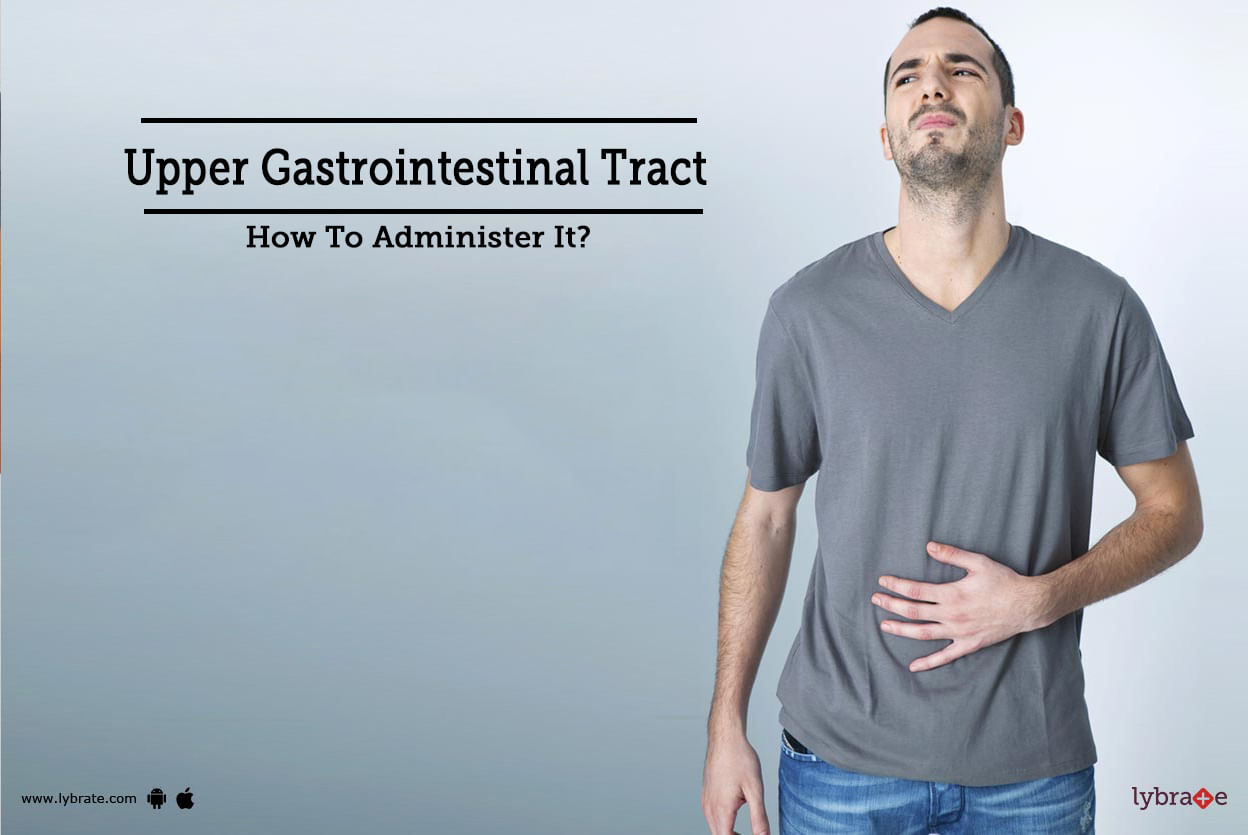
It is gastrointestinal bleeding in the upper gastrointestinal tract, commonly defined as bleeding arising from the esophagus, stomach, or duodenum. Blood is often observed in vomit (hematemesis) or in the stool (melena). Upper gastrointestinal bleeding denotes a medical emergency and typically requires hospital care for primary diagnosis and treatment. The incidence of upper gastrointestinal bleeding is 50-150 individuals per 100,000 annually. Depending on its severity, it carries an estimated m...more
Last Updated: 5 years ago• Featured Tip
Share
Bookmark
Report

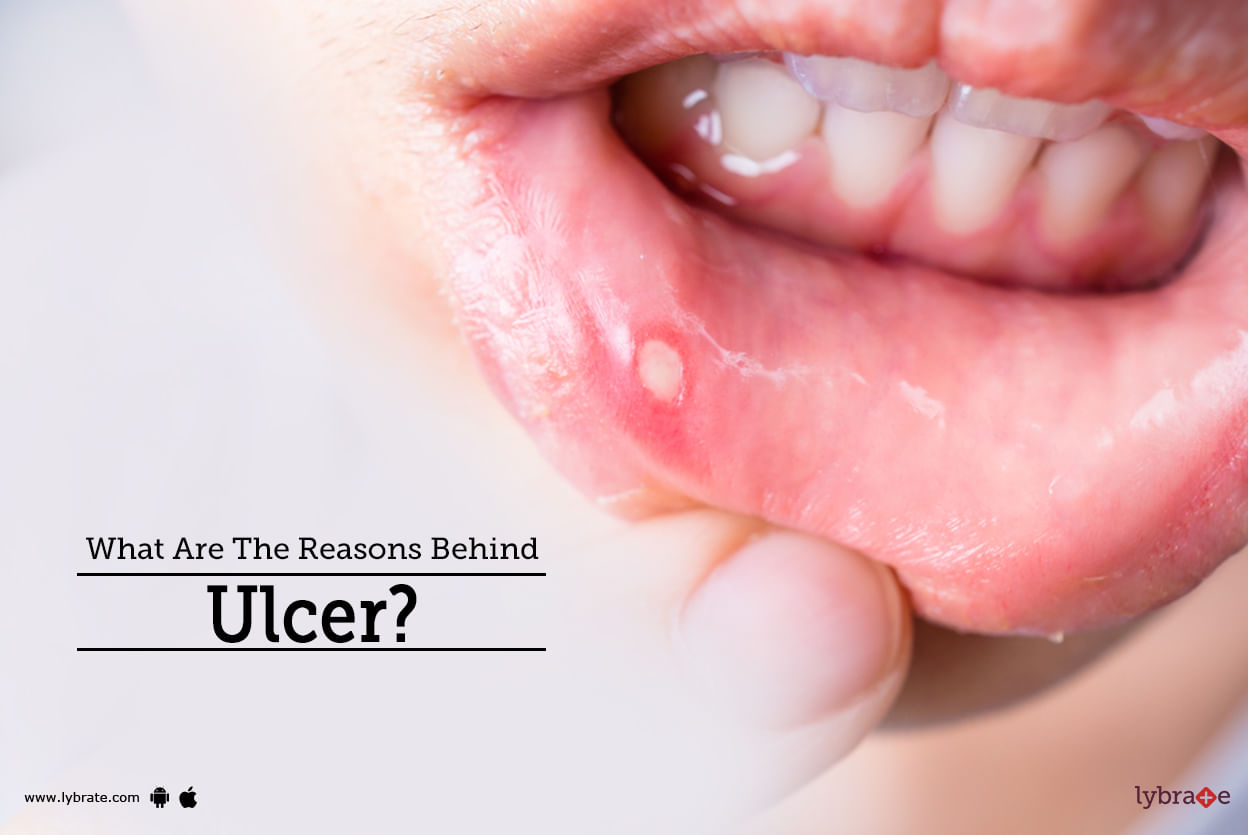
It is gastrointestinal bleeding in the upper gastrointestinal tract, commonly defined as bleeding arising from the oesophagus, stomach, or duodenum. Blood is often observed in vomit (hematemesis) or in the stool (melena). Upper gastrointestinal bleeding denotes a medical emergency and typically requires hospital care for primary diagnosis and treatment. The incidence of upper gastrointestinal bleeding is 50-150 individuals per 100,000 annually. Depending on its severity, it carries an estimated ...more
Last Updated: 8 years ago• Featured Tip
Share
Bookmark
Report


Black stools! An alarming sign.
Black stool is a condition in which the feces are very dark or black in color. Black stool may be normal in some cases and caused by ingesting certain substances or medications, such as iron supplements. However, black stool can also be caused by a serious condition, such as bleeding in the digestive tract caused by a peptic ulcer.
Black stool that is tarry in texture and foul smelling is often a symptom of upper gastrointestinal bleeding from th...more
Black stool is a condition in which the feces are very dark or black in color. Black stool may be normal in some cases and caused by ingesting certain substances or medications, such as iron supplements. However, black stool can also be caused by a serious condition, such as bleeding in the digestive tract caused by a peptic ulcer.
Black stool that is tarry in texture and foul smelling is often a symptom of upper gastrointestinal bleeding from th...more
Last Updated: 6 years ago• Featured Tip
Share
Bookmark
Report

Liver disorders are very common. Gastroenterologists trained in liver diseases are known as Hepatologists.Symptoms of liver disease include jaundice, vomitting of blood(Hemetemesis), bleeding in the motions(also known as Melena or hematochezia),altered sensorium known as Hepatic encephalopathy(HE), Renal failure also known as Hepatorenal syndrome(HRS), Breathlessness (due to Hepatopulmonary syndrome and portopulmonary hypertension).
Let s understand the liver disease point by point:more
Let s understand the liver disease point by point:


Book appointment with top doctors for Melena treatment
View fees, clinic timings and reviews


Ask a free question
Get FREE multiple opinions from Doctors
posted anonymously