
Get the App
For Doctors
Login/Sign-up


Health Feed

Find Doctors

Health Packages


Heart blockage Tips
Last Updated: 6 years ago• Featured Tip
Share
Bookmark
Report

Cardiologist•Navi Mumbai

Valvar aortic stenosis, commonly called aortic stenosis, is a disorder which occurs when the aortic valve of the heart becomes narrow. The narrowing of the valve prevents its full opening, and hence, blood flow from the heart to the aorta is restricted. When the aortic valve gets obstructed, the heart has to exert much more effort to pump the blood. The heart muscles get weakened as a result. This condition is more common in children.
Diagnosis of Valvar Aortic Stenosis:
Before diag...more
Diagnosis of Valvar Aortic Stenosis:
Before diag...more
Last Updated: 6 years ago• Featured Tip
Share
Bookmark
Report


A heart transplant is an operation in which a failing, diseased heart is replaced with a healthier, donor heart. Heart transplant is a treatment that's usually reserved for people who have tried medications or other surgeries, but their conditions haven't sufficiently improved.
While a heart transplant is a major operation, your chance of survival is good, with appropriate follow-up care.
When faced with a decision about having a heart transplant, know what to expect of the hea...more
While a heart transplant is a major operation, your chance of survival is good, with appropriate follow-up care.
When faced with a decision about having a heart transplant, know what to expect of the hea...more
Last Updated: 6 years ago• Featured Tip
Share
Bookmark
Report


Pulmonary hypertension refers to a type of high blood pressure that affects the arteries in the lungs and the heart. Some forms of pulmonary hypertension can be more dangerous than others as they can block the arteries and thus keep the blood from flowing freely through the lungs. All types of pulmonary hypertension are not curable but with treatment, the patient s quality of life can improve and symptoms can be managed.
Pulmonary hypertension is caused by changes in the cells lining th...more
Pulmonary hypertension is caused by changes in the cells lining th...more
Last Updated: 6 years ago• Featured Tip
Share
Bookmark
Report


Ischemic heart disease is also known as ischemic cardiomyopathy in medical lingo. It generally results from weakened heart muscles due to previous conditions such as heart attack or other coronary diseases. The left ventricle of an IC patient tends to enlarge and gets dilated. As a result of this, the heart fails to pump an adequate amount of blood into the body resulting in a heart failure.
A doctor typically tries to find out the underlying cause of the condition and evaluate the exte...more
A doctor typically tries to find out the underlying cause of the condition and evaluate the exte...more
Last Updated: 6 years ago• Featured Tip
Share
Bookmark
Report

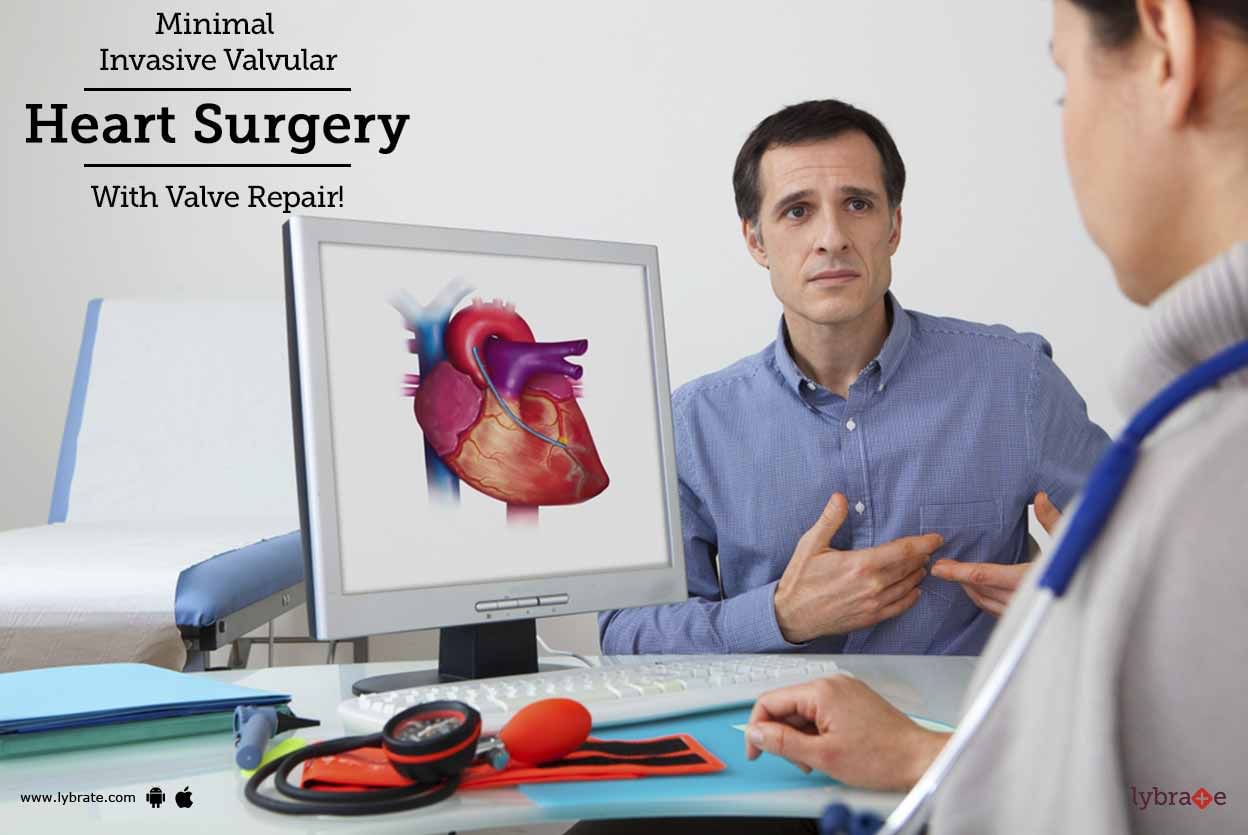
The heart is a 4-chambered organ and acts like a pump by collecting and sending out blood from and to all parts of the body. It has blood vessels coming into it and branching out of it for this. The beauty of it though is that the blood flow is controlled to happen in one direction with a set of small valves, which are muscular tissues that close and open to allow for blood flow.
There are 4 sets of valves:
Mitral which regulate blood flow between the two ventricles
Tricusp...more
There are 4 sets of valves:
Mitral which regulate blood flow between the two ventricles
Tricusp...more
Last Updated: 6 years ago• Featured Tip
Share
Bookmark
Report


The word acute coronary syndrome refers to a group of symptoms that are caused by blockage of the blood flow to the heart muscles. The most common result of this is myocardial infarction or heart attack as it is popularly called. Reduced blood flow leads to death of some portion of the heart muscle wall. While the word heart attack sounds almost fatal, it need not be the case. Knowing how to identify an attack and being aware of some simple measures can help save lives.
Symptoms: The...more
Symptoms: The...more
Last Updated: 7 years ago• Featured Tip
Share
Bookmark
Report

Complications in the heart valve occur when the functioning of the heart valve is impaired. Valves of the heart allow the blood to flow in one direction and prevent the blood from flowing back into the ventricles of the heart.
Heart valve diseases can be classified as follows:
Valvular stenosis: This condition occurs when the valves of the heart does not open completely due to stiffness. As the opening is narrow, the heart has to work hard to pump blood. This condition may lead...more
Heart valve diseases can be classified as follows:
Valvular stenosis: This condition occurs when the valves of the heart does not open completely due to stiffness. As the opening is narrow, the heart has to work hard to pump blood. This condition may lead...more
Last Updated: 7 years ago• Featured Tip
Share
Bookmark
Report

The word acute coronary syndrome refers to a group of symptoms that are caused by blockage of the blood flow to the heart muscles. The most common result of this is myocardial infarction or heart attack as it is popularly called. Reduced blood flow leads to death of some portion of the heart muscle wall. While the word heart attack sounds almost fatal, it need not be the case. Knowing how to identify an attack and being aware of some simple measures can help save lives.
Symptoms: The...more
Symptoms: The...more
Last Updated: 7 years ago• Featured Tip
Share
Bookmark
Report


Complications in the heart valve occur when the functioning of the heart valve is impaired. Valves of the heart allow the blood in one direction and prevent the blood from flowing back into the ventricles of the heart.
Heart valve diseases can be classified as follows:
1. Valvular stenosis:
This condition occurs when the valves of the heart do not open completely due to stiffness. As the opening is narrow, the heart has to work hard to pump blood. This condition may lead to...more
Heart valve diseases can be classified as follows:
1. Valvular stenosis:
This condition occurs when the valves of the heart do not open completely due to stiffness. As the opening is narrow, the heart has to work hard to pump blood. This condition may lead to...more
Last Updated: 7 years ago• Featured Tip
Share
Bookmark
Report

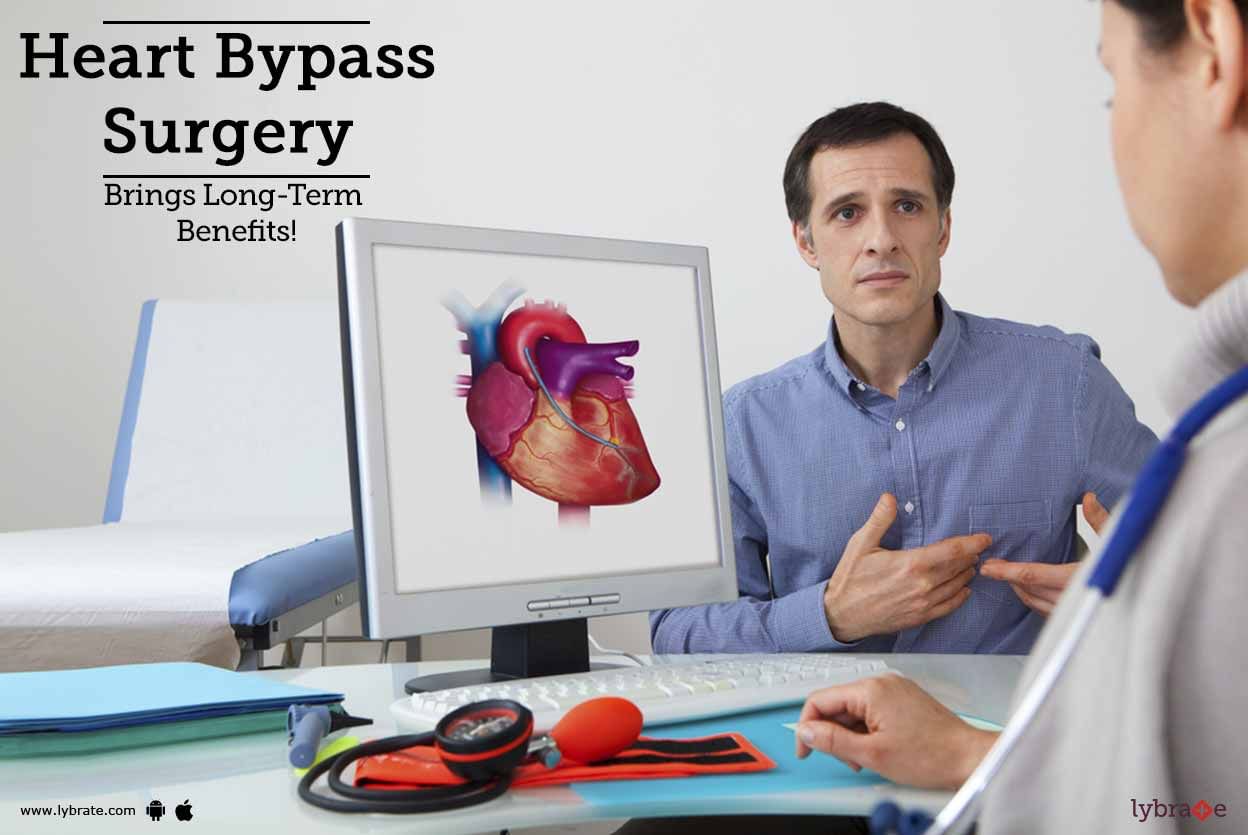
Coronary Artery Bypass Grafting (CABG) is a traditional and well established surgical procedure for treating diseases in the coronary artery. The process is carried out by using blood vessels alternately (vein or artery). Initially, CABG was performed by using the left internal mammary artery and saphenous vein. It was observed that the chance of occlusion in the vein grafts was much higher than the arterial grafts. In the last decade, total arterial grafting, which uses all the arterial conduit...more


Ask a free question
Get FREE multiple opinions from Doctors
posted anonymously