Neurofibroma Treatment
What are Cavernous sinus tumour symptoms? My sister has severe headaches with reddish watery eyes. MRI showing heterogen ...


Ask Free Question
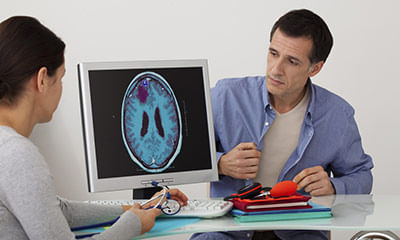
Cavernous sinus syndrome is characterized by multiple cranial neuropathies. The clinical presentation includes impairment of ocular motor nerves, Horner's syndrome, and sensory loss of the first or second divisions of the trigeminal nerve in various combinations. The pupil may be involved or spared or may appear spared with concomitant oculosympathetic and parasympathetic involvement. Various degrees of pain may be involved The symptoms and signs of cavernous sinus disease are ophthalmoplegia, orbital congestion and proptosis, trigeminal sensory loss, and sympathetic disturbance. Sympathetic fibres join the abducens nerve for a short distance and thus a Horner’s syndrome in conjunction with 6th nerve palsy is of precise localising value. Cavernous sinus pathology accounts for 5% of all cases of ophthalmoplegia. Causes can be divided into vascular (aneurysms, fistulas, and thrombosis), tumours, and mis-cellaneous inflammatory disorders (including THS). Cavernous sinus tumours are the most common cause of the cavernous sinus syndrome. These may be metastatic (from lung, breast, prostate, etc), result from local spread (naso- pharyngeal, pituitary, craniopharyngioma), or be primary tumours (meningioma, neurofibroma). Pituitary tumours can invade one or both cavernous sinuses adjacent to the pituitary gland. Here ophthalmoplegia is associated with more longstanding endocrine symptoms of acromegaly, galactorrhoea, or hypopituritism. Unilateral or bitemporal visual field defects often coexist. Meningiomas involving the cavernous sinus may start in the sinus or grow into it as an extension from a larger tumour involving the medial sphenoid wing, orbit, clivus, or petrous bones. Natural history in some patients may be that of minimal or no growth for long periods of time; given the risk of significant cranial nerve morbidity with surgical treatment, management decisions are difficult.


Sir in my chest I feel guilty like problem in both side what is this? Please tell me. ...

Ask Free Question
It may be neurofibroma or fatty tumor, you need proper homoeopathic treatment to cure your problem, soo you can contact me through Lybrate in private consultation.

I have 3-4 lumps on both the hands, they are not causing any issue but I can feel them whenever I workout. Also it seems ...
Ask Free Question
This may be neurofibroma or may be lipoma,,it can increase in size or can increase in number also,,u need proper homoeopathic treatment if u wants a permanent solution of this problem
I have 5-6 small lumps on my body and its painful when touched. I am suffering from some kind of disease? ...
Ask Free Question
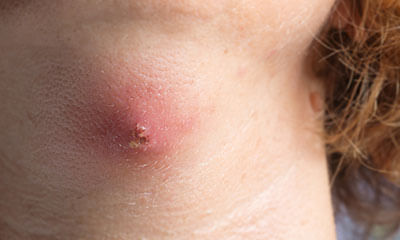
It may be lipoma or neurofibroma which is not dangerous,,but it can increase in size,,by proper homoeopathic treatment it is curable
please sir i'm suffering from neurofibromatosis no family history regarding this disease, i'm 22 year male so please sir ...

Ask Free Question
There are three major clinically and genetically distinct forms of neurofibromatosis, neurofibromatosis types 1 and 2 (NF1 and NF2) and schwannomatosis. NF1, previously known as von Recklinghausen disease, is the most common type. Longitudinal care for individuals with NF1 aims at the early detection and symptomatic treatment of complications as they occur. The approach to treatment of the various tumors associated with NF1 depends upon the type of tumor, its effect on adjacent tissues, and related complications. No specific medical treatment for neurofibromas exists. Surgical treatment and pain management of plexiform neurofibromas can be challenging. Surgical resection often is limited to debulking of a specific area of a large lesion. Malignant neoplasms, particularly malignant peripheral nerve sheath tumors (MPNST), are the primary cause of decreased survival. If you want to discuss this further, feel free to contact me directly.
My mother was neurofibroma type 2 patient .now she has multiple extramedullary lesions present in spine .already one tim ...

Ask Free Question
Dear. It's understandable that it's a very frustrating situation in general. However, not all these lesions are generally symptomatic which means that they don't need attention per se. Yes we can take care of spinal lesions by sbrt if needed. However the intraspinal extreme dullary lesions generally need surgical treatment as the response to radiation treatment is very slow in general. You must understand that there is a lot more to be gained by a full consultation and these above are just my first thoughts.
Sir, mere pure body pr ganth hai kam sa kam 250-300 ganth hongi mene bahot medicine le but ya jate nhi hai or nikal rhe ...

Ask Free Question
Probably you are suffering from neurofibroma which needs a continued medication to resolve but gradually not in a weeks or months consult with me for proper guidance and treatment.
Hello sir. I am 30 year old. I have many knots in my forearms. It is growing very slowly. My Mother sister brother and M ...

Ask Free Question
This seems neurofibroma. Can not be treated in modern medicine yet except surgery. But nos. Are more so it can not help. Even after surgery it regrows. Ayurveda has the answer but you have to be persistent and it may take six months or more also to get response. Its harmless and effective treatment, done step by step. Pl consult.
I have some small meat balls (small guilty) in my arms triceps and back waist part from last 2 years and don't have pain ...

Ask Free Question
You should take acupressure treatment and take biochemic Silica 200x 4 tab thrice a day with warm water and take it 5 day's and consult private online.
Is neurofibroma curable? By which medicine, allopathy or homeopathy or ayurvedic? ...

Ask Free Question
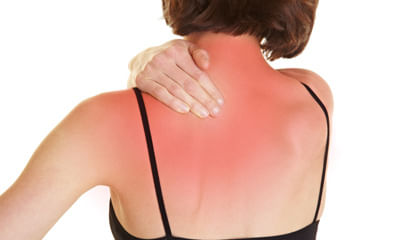
Neurofibromatosis (NF) is nervous system disease that causes skin defects and tumors on nerve tissues. It can also lead to other problems. The condition usually worsens over time. Although there is no known cure, treatment can help control symptoms.