
Low Hemoglobin Symptoms
I have been suffering from disc herniation for the last 5 weeks. Pain is less than before. Rarely pain is observed in le ...


Ask Free Question
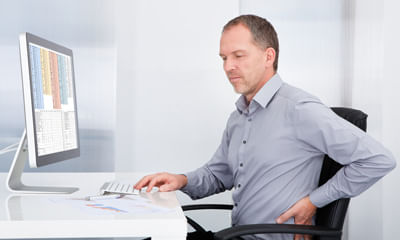
Poor sitting posture is a common cause of sciatica. To assist the support of your lower back many simple and effective products have been developed over time. These include: lumbar d-roll bassett frame kinesiology lumbar tape please ask your physiotherapist for their advice in what will help you most. This simple stretch helps relieve sciatica pain by loosening your gluteal and piriformis muscles, which can become inflamed and press against the sciatic nerve. 1.Lie on your back with your legs extended and your feet flexed upward. 2.Bend your right leg and clasp your hands around the knee. 3.Gently pull your right leg ac 4.Ross your body toward your left shoulder. Hold it there for 30 seconds. Remember to pull your knee only as far as it will comfortably go. You should feel a relieving stretch in your muscle, not pain. 5.Push your knee so your leg returns to its starting position. 6.Repeat for a total of 3 reps, and then switch legs. 5.sitting spinal stretch sciatica pain is triggered when vertebrae in the spine compress. This stretch helps create space in the spine to relieve pressure on the sciatic nerve. 1.Sit on the ground with your legs extended straight out with your feet flexed upward. 2.Bend your right knee and place your foot flat on the floor on the outside of your opposite knee. 3.Place your left elbow on the outside of your right knee to help you gently turn your body toward the right. 4.Hold for 30 seconds and repeat three times, then switch sides. 6. Standing hamstring stretch this stretch can help ease pain and tightness in the hamstring caused by sciatica. 1.Place your right foot on an elevated surface at or below your hip level. This could be a chair, ottoman, or step on a staircase. Flex your foot so your toes and leg are straight. If your knee tends to hyperextend, keep a slight bend in it. 2.Bend your body forward slightly toward your foot. The further you go, the deeper the stretch. Do not push so far that you feel pain. 3.Release the hip of your raised leg downward as opposed to lifting it up. If you need help easing your hip down, loop a yoga strap or long exercise band over your right thigh and under your left foot. 4.Hold for at least 30 seconds, and then repeat on the other sideif you have low back pain and sciatica you can undergo intermittent pelvic traction where in your half of your body weight will be added in the electronic traction so that that would help you to reduce the pain, along with interferential therapy stimulations which would help you to get relieved from the radiating pain. Apply ice for the pain to get subsided immediately. If you cannot go immediately for the physiotherapy treatment. Ice can be kept in the low back where you have back pain. It is suggestible to wear lumbo sacral belt which would help you to build the abdominal muscle tone which itself would make you feel better. You can also wear mcr chappals which would help you to have less weight falling in the painful back. U have to take vitamin d rich foods. Likemilk,cheese, yogurt,brocoli, spinach.u need calcium consumption for increase the bone density. Lackof bone and bones crush inside the body this might be due to low calcium or vitamin d which has more impact on the bone density and also it makes one to feel that there is lack of bone strength or in a way the bones are brittle and almost breaking and they feel it is crushed in a way there are many bones breaking at the same time. You have to take vitamin d rich foods. Likemilk,cheese, yogurt, brocoli, spinach.u need calcium consumption for increase the bone density. vitamin d intake via supplements or exposure to low levels of sunlight. Vitamin d is used to absorb calcium in the bone and regulate calcium in the blood. If you have leg pain then you have to rule out the causes for having leg pain. First of all check your weight and your haemoglobin levels, as anaemia always leads to the symptoms of being tired and also having leg pain though there are no issues with the knee joint or back pain. If not if the pain radiates down the back of thigh and legs then it might be due to sciatica. Kindly consult the nearby physiotherapist. Hope you recover soon from the leg pain. Lumbar radiculopathy: pain in lower back or glutei region with sharp shooting pain radiating from hip to leg/foot region, occurs in cases of lumbar radiculopathy or sciatica. This is due to compression of lumbar nerve root or sciatic nerve by disc prolapse, facet joint, trauma, hypertrophied ligamentumflavum, piriformis syndrome, etc. L5 vertrbrae and patient has pain the legs and sensation is disturbed? That is called as lumbar vertebrae. And there are 5 lumbar vertebrae and the 5th lumbar vertebrae is always is located in the lower end where the body weight is taken and it is generally fused with sacral vertebrae. That is where the sciatic nerve passes by and the nerve gets compressed that's the reason you have pain and sensation is disturbed. Loss of concavity of l4-l5 vertebrae. It is other wise called as the lumbo sacral curve which is very important for the spine to take the entire weight evenly if not it leads to disturbance of the disc and also the vertebrae which makes the spine to loose its concavity that's why it is called as loss of posterior concavity. For which we need to improve the spine posture and we need to adapt good posture during our day to day life activities. I have pain in my left side leg. This should be due to the sciatic nerve compression in the right side probably close to your l5 vertebrae. It can also be due to the strain on the left leg, try wearing mcr chappals which would help you to get relieved from pain. We suggest you to wear a lumbo sacral corset and also modified foot wear if you want we can send you by courier.


Doctor my mother has osteoarthritis is it curable its in initial stage is it curable and may I know how long it takes to ...
Ask Free Question
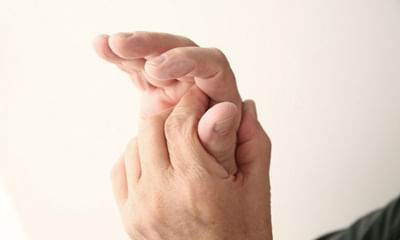
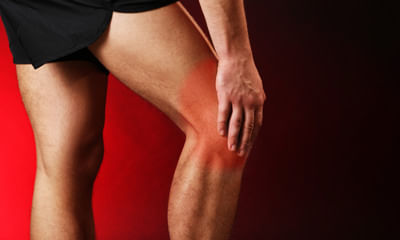
Symptoms of arthritis symptoms of osteoarthritis may include joint pain and progressive stiffness that develops gradually. Symptoms of may include painful swelling, inflammation, and stiffness in the fingers, arms, legs, and wrists occurring in the same joints on both sides of the body, especially upon waking up in the morning. Knee arthritis can be painful and debilitating. For osteoarthritis (oa) of the knee, self-care early on can often help significantly. It is important to stretch and strengthen the surrounding leg muscles to provide more support and reduce stresses around the joint. The following best bet exercises will help you get started on your path to feeling stronger, more flexible and more active. Remember: exercise should not be painful – if you experience pain, discontinue and consult with your physician. Advice: 1.must take adequate rest 2.apply hot water with mild heat with cotton towel 3.avoid cross leg sitting and long time standing 4. Put the small size chair under the ankle during sitting in the chair for leg elevation 5.do the exercise given below 2 times per day 1.quadriceps setting exercise helps to strengthen the quadriceps muscle (the big muscle on the front of the thigh), an important stabilizer of the knee. Lie on your back with the leg you want to exercise straight. Place a small rolled towel underneath the knee. Slowly tighten the muscle on top of the thigh (quadriceps) and push the back of the knee down into the rolled towel. Hold contraction for 5 seconds and then slowly release, resting 5 seconds between each contraction. Perform 3 sets of 10 repetitions, 1 time daily. 2.straight leg raise also helps to strengthen the quadriceps muscle. Lie on your back with the leg you want to exercise straight. The other knee should be bent to support your lower back. Tighten the muscle on the top of your thigh and lift to the level of your other knee. Slowly lower. Perform 3 sets of 10 repetitions, 1 time daily. Knee pain •patellar tendinitis: •risk factor •a combination of factors may contribute to the development of patellar tendinitis, including: •physical activity. •running and jumping are most commonly associated with patellar tendinitis. Sudden increases in how hard or how often you engage in the activity also add stress to the tendon, as can changing your running shoes. •tight leg muscles. Tight thigh muscles (quadriceps) and hamstrings, which run up the back of your thighs, can increase strain on your patellar tendon. •muscular imbalance. •if some muscles in your legs are much stronger than others, the stronger muscles could pull harder on your patellar tendon. This uneven pull could cause tendinitis. •chronic illness. •some illnesses disrupt blood flow to the knee, which weakens the tendon. Examples include kidney failure, autoimmune diseases such as lupus or rheumatoid arthritis and metabolic diseases such as diabetes. •complications •if you try to work through your pain, ignoring your body's warning signs, you could cause increasingly larger tears in the patellar tendon. Knee pain and reduced function can persist if you don't tend to the problem, and you may progress to the more serious patellar tendinopathy. •prevention •to reduce your risk of developing patellar tendinitis, take these steps: •don't play through pain. As soon as you notice exercise-related knee pain, ice the area and rest. Until your knee is pain-free, avoid activities that put stress on your patellar tendon. •strengthen your muscles. Strong thigh muscles are better able to handle the stresses that can cause patellar tendinitis. Eccentric exercises, which involve lowering your leg very slowly after extending your knee, are particularly helpful. •improve your technique. To be sure you're using your body correctly, consider taking lessons or getting professional instructions when starting a new sport or using exercise equipment. •therapy •a variety of physical therapy techniques can help reduce the symptoms associated with patellar tendinitis, including: •patellar tendon strap. A strap that applies pressure to your patellar tendon can help to distribute force away from the tendon and direct it through the strap instead. This may help relieve pain. •iontophoresis. This therapy involves spreading a corticosteroid medicine on your skin and then using a device that delivers a low electrical charge to push the medication through your skin. •platelet-rich plasma injection. This type of injection has been tried in some people with chronic patellar tendon problems. Studies are ongoing. It is hoped the injections might promote new tissue formation and help heal tendon damage. •probably your stamina would've gone down due to over use of the joints and the metabolic activity is more due to running. You need to consume good protein diet so that your body will act as a reservoir. It will help you to fight against rather than affecting one particular area of your body for eg. Knee joint. For knee ligament pain or inflammation you need to keep ice which will help you to prevent the inflammation progressing further. •patellofemoral pain syndrome •usually fully relieved with simple measures or physical therapy. It may recur, however, if you do not make adjustments to your training routine or activity level. It is essential to maintain appropriate conditioning of the muscles around the knee, particularly the quadriceps and the hamstrings. •there are additional steps that you can take to prevent recurrence of patellofemoral •they include: •wearing shoes appropriate to your activities •warming up thoroughly before physical activity •incorporating stretching and flexibility exercises for the quadriceps and hamstrings into your warm-up routine, and stretching after physical activity •increasing training gradually •reducing any activity that has hurt your knees in the past •maintaining a healthy body weight to avoid overstressing your knees •joints, ie. In the upper limbs if the pain is present in the fingers/wrist and in the lower limbs it the pain is present in the toes/ ankle, then we shall definitely say it is rheumatic arthritis. •if your proximal joints (ie. Shoulder, hip & knee has pain) then you can pour hot (warm) water in that area to reduce the inflammation. If you have pain in the distal joints ie. Wrist, fingers, ankle, toes then you can wear either elbow brace or wrist brace which will help you to feel warm and very protective. And also immerse the distal joints in the hot water tub which will help you to reduce the pain. •knee pain during driving or watching movie. •it might due to lack of movements in the knee while the joints are immobilized during driving and while watching movies. It is important that you need to have movements in and around the knee so that the blood flow will not be disturbed. •knee ligament laxity•if you have problem in your legs then it might be due to ligament laxity where your legs would become very weak due to the old ligament injury and that should be treated immediately. •wear knee cap so that you will feel firm while walking or climbing stairs.•this is a general strain and for this you can follow these measures: one keep a pillow right under the knee while sleeping, next is you can keep ice in the painful area for about 5--10 minutes, if pain still persists you can stretch your body by twisting the waist on both sides how we used to do in the school drill similarly you can try! one time you can do hot water fermentation that would help to reduce the muscle strain. •legs becoming numb and also pain is there when the patient walks for 10-15 minutes?•it looks like you are anaemic. If you feel that the legs are becoming numb then keep your legs warm which is important, probably you can wear mcr chappals inside the house/ socks inside the house. Put a door mat when ever you sit so that you will feel comfortable. Also pour warm water in the legs which would help you to get better circulation. •knee pain. If you are overweight, losing weight will also help to reduce pressure on your knee. Knee pain this is a general knee pain and for this you can follow these measures: one keep a pillow right under the knee while sleeping, next is you can keep ice in the painful area for about 5--10 minutes, it looks like you are is important to check that. Anaemia always leads to the symptoms of being tired and also having body pain though there may not be any pathological reasons for knee pain. With knee exercises you will definitely feel better and muscles must be strengthened .•don't play through pain. As soon as you notice exercise-related knee pain, ice the area and rest. Until your knee is pain-free, avoid activities that put stress on your patellar tendon. •strengthen your muscles. Strong thigh muscles are better able to handle the stresses that can cause patellar tendinitis. Eccentric exercises, which involve lowering your leg very slowly after extending your knee, are particularly helpful. •improve your technique. To be sure you're using your body correctly, consider taking lessons or getting professional instructions when starting a new sport or using exercise equipment. •therapy •a variety of physical therapy techniques can help reduce the symptoms associated with patellar tendinitis, includingback pain it looks like you are anaemic. If you have back pain after you sit for long hours then it is due to your haemoglobin levels as it is important to check that. Anaemia always leads to the symptoms of being tired and also having back / leg pain though there may not be any pathological reasons for back pain. It looks like you are anaemic. And also you have to check with your vitamin and calcium, if the bones are weak then automatically the pain gets triggered more as there is less severity of the painbe strengthened 1.resisted terminal knee extension: make a loop with a piece of elastic tubing by tying a knot in both ends. Close the knot in a door at knee height. Step into the loop with your injured leg so the tubing is around the back of your knee. Lift the other foot off the ground and hold onto a chair for balance, if needed. Bend the knee with tubing about 45 degrees. Slowly straighten your leg, keeping your thigh muscle tight as you do this. Repeat 15 times. Do 2 sets of 15. If you need an easier way to do this, stand on both legs for better support while you do the exercise. 2•standing calf stretch: stand facing a wall with your hands on the wall at about eye level. Keep as arthritis is very common that you get generally bilaterally. Ice therapy would definitely help to reduce the inflammation. We also advise you to use knee cap which would help to prevent the knee from damaging further and also to maintain the quadriceps muscle tone •stretching exercises. Regular, steady stretching exercises can reduce muscle spasm and help lengthen the muscle-tendon unit. Don't bounce during your stretch. 3•strengthening exercises. Weak thigh muscles contribute to the strain on your patellar tendon. Exercises that involve lowering your leg very slowly after extending it can be particularly helpful, as can exercises that strengthen all of the leg muscles in combination, such as a leg press.•this is a general knee pain and for this you can follow these measures: one keep a pillow right under the knee while sleeping, next is you can keep ice in the painful area for about 5--10 minutes, it looks like you are is important to check that. Anaemia always leads to the symptoms of being tired and also having body pain though there may not be any pathological reasons for knee pain. With knee exercises you will definitely feel better and muscles must be strengthened.

I am 57 my hemoglobin is very low as I am taking orofer xt but still my pain in legs also I became some time numb. How c ...
Ask Free Question
If you have leg pain then you have to rule out the causes for having leg pain. First of all check your weight and your hemoglobin levels, as anemia always leads to the symptoms of being tired and also having leg pain though there are no issues with the knee joint or ankle pain. Hot water fermentation that would help to reduce the muscle strain. Keep ice in the area where you have pain/if not if the pain radiates down the back of thigh and legs then it might be due to sciatica. If you have leg pain please check your body weight and your hemoglobin levels, as anemia always leads to the symptoms of being tired and also having leg pain though there may not be any pathological reasons for leg pain. My suggestion would be to wear mcr chappals which will help you to prevent the body weight falling on the leg and it also helps to distribute the weight evenly. Pain while walking and standing first of all check your weight and your hemoglobin levels. And also should check whether you have flat foot on the right leg that.
Male, 40. I was diagnosed with hemoglobin d disease when I was a teenager. My symptoms are high "indirect bilirubin" I d ...

Ask Free Question
Your high "indirect bilirubin" homeopathy has very effective and reliable treatment for your problem. No side effects. Please take homeopathic medicine, preliminary dose, arsenic album 200-once daily in the evening for 3 days. Book online appointment/consultation with me -(commencing from text consult rs 149, audio/ phone-rs 300) for further more comprehensive prescription and treatment.

Hello l'm 30 years male I have knee pain, just before 14 days l checked my uric acid level which was 8.7 so doctor presc ...

Ask Free Question
Your medications are correct. Apply ice to the joints. Give rest. Increase water intake. Along with low purine diet. Check your uric acid levels again after 15 days. If they have decreased, you are on correct path. Continue same. You will be normal in a month.
I feel painless pressure under my right rib cage for over a year. I had an ultrasound which showed no abnormalities. A c ...
Ask Free Question
Keep ice which will definitely help you to become better. It can also be due to low hemoglobin levels in the body. Anaemia always leads to the symptoms of being tired and also having rib pain. You can lie down with elevated arms in the cot which will help you to get relaxed and also the tidal volume of the lungs will get improved.

I am a 29 year old male, my height is 172 cm and my weight is around 63-65 kg. I had a routine blood checkup last day an ...

Ask Free Question
Bilirubin is the waste product of hemoglobin (a component of your blood cells) increase in bilirubin could be because of breakdown of blood cells or breakdown of muscles (myoglobin) or any other heme containing proteins in the body. It could also be elevated in liver disease. Since your history is indicating muscle breakdown due to heavy exercise it could be likely due to that. For ruling out other causes I would like to see your reports and obtain a history to differentiate it from other conditions.
Last year in october, I was given an injection, on the right buttock, as my bp was very low. After a while, light pain a ...
Ask Free Question
How old are you do you have any varicose vein problem or do you have any back pain? Try keeping ice in the area where you have pain you might feel better. If not get back to us we will give you some suggestions. This is a general knee pain and for this you can follow these measures: one keep a pillow right under the knee while sleeping, next is you can keep ice in the painful area for about 5--10 minutes, it looks like you are is important to check that. Anaemia always leads to the symptoms of being tired and also having body pain though there may not be any pathological reasons for knee pain. With knee exercises you will definitely feel better and muscles must be strengthened.•don't play through pain. As soon as you notice exercise-related knee pain, ice the area and rest. Until your knee is pain-free, avoid activities that put stress on your patellar tendon. •strengthen your muscles. Strong thigh muscles are better able to handle the stresses that can cause patellar tendinitis. Eccentric exercises, which involve lowering your leg very slowly after extending your knee, are particularly helpful. •improve your technique. To be sure you're using your body correctly, consider taking lessons or getting professional instructions when starting a new sport or using exercise equipment. •therapy •a variety of physical therapy techniques can help reduce the symptoms associated with patellar tendinitis, including back pain it looks like you are anaemic. If you have back pain after you sit for long hours then it is due to your haemoglobin levels as it is important to check that. Anaemia always leads to the symptoms of being tired and also having back / leg pain though there may not be any pathological reasons for back pain. It looks like you are anaemic. And also you have to check with your vitamin and calcium, if the bones are weak then automatically the pain gets triggered more as there is less severity of the pain be strengthened1. Resisted terminal knee extension: make a loop with a piece of elastic tubing by tying a knot in both ends. Close the knot in a door at knee height. Step into the loop with your injured leg so the tubing is around the back of your knee. Lift the other foot off the ground and hold onto a chair for balance, if needed. Bend the knee with tubing about 45 degrees. Slowly straighten your leg, keeping your thigh muscle tight as you do this. Repeat 15 times. Do 2 sets of 15. If you need an easier way to do this, stand on both legs for better support while you do the exercise. 2•standing calf stretch: stand facing a wall with your hands on the wall at about eye level. Keep as arthritis is very common that you get generally bilaterally. Ice therapy would definitely help to reduce the inflammation. We also advise you to use knee cap which would help to prevent the knee from damaging further and also to maintain the quadriceps muscle tone •stretching exercises. Regular, steady stretching exercises can reduce muscle spasm and help lengthen the muscle-tendon unit. Don't bounce during your stretch. 3•strengthening exercises. Weak thigh muscles contribute to the strain on your patellar tendon. Exercises that involve lowering your leg very slowly after extending it can be particularly helpful, as can exercises that strengthen all of the leg muscles in combination, such as a leg press.•this is a general knee pain and for this you can follow these measures: one keep a pillow right under the knee while sleeping, next is you can keep ice in the painful area for about 5--10 minutes, it looks like you are is important to check that. Anaemia always leads to the symptoms of being tired and also having body pain though there may not be any pathological reasons for knee pain. With knee exercises you will definitely feel better and muscles must be strengthened.
If stiffness and curvature of cervical spine can be reduced to normal situation where the hed can rotate normal i.e the ...
Ask Free Question
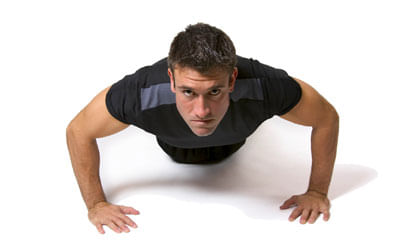
Cervical spondylosis– chronic condition with radiating pain this is cervical pain (neck pain) and that's the reason the pain radiates until the shoulder blades. If you keep ice that would help and along side you can do hot water fermentation. You shall use cervical collar which would help you to reduce the radiating pain ie. Due to the nerve compression. You have to go for traction and also you can do ift. Please consult the near bytherapist for quick relief. Use collar will definitely be helpful for him to maintain the good posture. And also cervical pillow can be used which might make you to have better posture of the shoulder neck and arm. Neck tilt: from the sitting position, tilt your head down so your chin touches your chest. Hold this position for 5 second s. Return to the starting position and repeat. Do this five times. Side-to-side neck tilt. From the same starting position, tilt you neck toward one shoulder, leading with your ear. Hold for 5 seconds and then return to the starting position. Do this five times on each side. Neck turn. Look straight ahead, then turn your head to one side, keeping your chin at the same level. Do this five times on each side. Neck stretch. Holding the rest of your body straight, push your chin forward, stretching your throat. Hold for 5 seconds. From the same starting position, push your chin backward and hold for 5 seconds. Do the forward and backward stretch five times each. If any of these exercises cause severe pain or weakness in your hands or arms, stop right away and talk with your doctor. We suggest you to wear cervical collar which will help you to improve the cervical angle and also it definitely helps you to improve the neck posture due to which your neck pain is triggered more. The importance of wearing cervical collar is to give good stability to the neck and also it definitely prevents you to have excess neck movements which makes the condition worse. If you wear cervical collar you cannot turn your neck as you like which itself will help you to have better functioning of the cervical spine. This cervical soft collar what we are suggesting for you is available at our clinic. If you want you can buy from us, if you are far away from chennai we can send you by courier. The reason why we are conveying you to buy from us is we can demonstrate over the videocall (using whatsapp) and also we can monitor you throughout when to wear it and how long to wear it. And also if you find any difficulty wearing the brace you can also revert back to us for few more suggestions and we can propose you good solution how to go about it. Pushups this one may seem basic, but there’s no denying that pushups are one of the best ways to strengthen the pectoral muscles. These can be done on the knees or toes. If you’re not ready for full pushups, start with your hands resting on a solid surface higher than your feet — like a very sturdy coffee table or the edge of a couch, cushions removed, that’s pressed up against a wall — and start on the toes. Having your hands higher than your feet and your body at an angle can be a good way to start a pushup regimen. As you get stronger, you can begin to lower the angle of your body. This will help you transition to full pushups more easily than going from knees to toes. A full plank engages the muscles differently, even at an angle. When doing pushups, aim for 2 sets of 10 reps per day. 1.start in plank position with your hands under your shoulders and your core engaged. 2.as you lower, inhale. 3.as you engage your muscles to push yourself up, exhale. Keep your elbows hugging in close to your body. Keep your focus on slowly breathing as you do these, and on engaging the pectorals while keeping the core tight. Don’t just crank these out to get them done — this can compromise your form and do more harm than good. If the movement is really tough, break the sets into three or five to start, or find a higher point to begin after a week of exercise. If necessary, you can even stand and do pushups pushing against a wall. Chest fly for this exercise, you’ll need a bench or exercise ball as well as some dumbbells. If you don’t have weights, you can always use the old standby: a soup can in each hand. Just keep in mind that dumbbells are easier to hold and you can get more out of using them, as even 5-pound weights are heavier than your heaviest canned goods. 1.lie with your upper and middle back on a bench or ball, with your legs at a 90-degree angle. Hold a weight in each hand and extend your arms to the sky, elbows slightly bent. 2.as you inhale, lower your arms out wide, until your elbows are at shoulder height. 3.as you exhale, raise your hands until they meet above your chest again. 4.do 2 sets of 10. If that feels pretty easy, up it to 2 sets of 15 or increase the weight you’re using. Dumbbell row strengthening your back muscles is an important component of treating pectusexcavatum. The dumbbell row targets your lat muscles. The way it’s described below also strengthens your core, another important component of treating the condition. You’ll need some dumbbells to complete this move — err on the lighter side if you’ve never done a row before. 1.hold one dumbbell in each hand with your arms extended. Hinge at the hips until your upper body reaches a 45-degree angle. 2.keeping your neck in line with your spine and your gaze straight down, pull your elbows straight back and squeeze between your shoulder blades. 3.extend your arms back to the starting position. Complete 2 sets of 10. Dumbbell rear delt fly another move to strengthen your back, a dumbbell rear delt fly also focuses on the lats, as well as the rhomboids and the traps. Choose a light pair of dumbbells to complete this move and ensure that you’re pinching your shoulder blades together at the top to get the most out of it. 1.hold one dumbbell in each hand with your arms extended. Hinge at the hips until your upper body reaches a 45-degree angle and bring the dumbbells together. 2.keeping your spine and neck neutral, inhale and push the dumbbells out and up to the side until your arms are parallel to the floor. 3.exhale and return to the start in a slow and controlled motion. Complete 2 sets of 10. Exercise is a key component to treating pectusexcavatum. By strengthening your chest, back, and core muscles and stretching your chest cavity, you can combat the condition’s effects. Aim to complete these exercises several times a week to maximize results. Anterior pelvic tilt 1.lie on the back with the knees bent and feet flat on the floor, hip-width apart. 2.squeeze the buttocks and tilt the pelvis upward. 3.the back should feel as though it is flattening to the ground. 4.return to normal pelvis position. 5.repeat 10–12 times. This is a general knee pain and for this you can follow these measures: one keep a pillow right under the knee while sleeping, next is you can keep ice in the painful area for about 5--10 minutes, it looks like you are is important to check that. Anaemia always leads to the symptoms of being tired and also having body pain though there may not be any pathological reasons for knee pain. With knee exercises you will definitely feel better and muscles must be strengthened.•don't play through pain. As soon as you notice exercise-related knee pain, ice the area and rest. Until your knee is pain-free, avoid activities that put stress on your patellar tendon. •strengthen your muscles. Strong thigh muscles are better able to handle the stresses that can cause patellar tendinitis. Eccentric exercises, which involve lowering your leg very slowly after extending your knee, are particularly helpful. •improve your technique. To be sure you're using your body correctly, consider taking lessons or getting professional instructions when starting a new sport or using exercise equipment. •therapy •a variety of physical therapy techniques can help reduce the symptoms associated with patellar tendinitis, including back pain it looks like you are anaemic. If you have back pain after you sit for long hours then it is due to your haemoglobin levels as it is important to check that. Anaemia always leads to the symptoms of being tired and also having back / leg pain though there may not be any pathological reasons for back pain. It looks like you are anaemic. And also you have to check with your vitamin and calcium, if the bones are weak then automatically the pain gets triggered more as there is less severity of the pain back pain is described as acute or chronic based on how long you’ve had it. Acute pain lasts days to weeks, subacute pain lasts six weeks to three months, and chronic pain lasts longer than three months. Things that make it better or worse back pain may get worse with movement or if you sit or stand for a long time. It may get better if you switch positions or walk around. Accompanying symptoms other symptoms you may experience with back pain include: •the painful spot looking swollen and feeling tender to the touch •a muscle spasm in the painful area •numbness or weakness in one or both of your legs (if the pain is due to a nerve issue) if you find you have back pain and can’t hold your urine or bowel movements, something is pressing on your spinal nerves, and you should be evaluated immediately. This condition, called caudaequina syndrome, can cause severe long-term damage to your spinal nerves if not treated right away. 6 imbalances that cause pain—and how to fix them "pain is a medical condition and a medical issue, says brett jones, owner of applied strength in pittsburgh who is certified for the functional movement screen, a system of tests and cor rective exercise strategies. "it's a warning sign. The pain is there to tell you something's wrong. And that warning sign could be more serious than "you're going too hard. Jones and the other coaches consulted for this piece all had a horror story to tell-when pain in a client meant a more serious condition such as a nerve issue, thyroid issue, or even cancer. The point: if you experience regular pain while exercising-or when you're not-go to the doctor. If you've been cleared by a doc and you're still feeling discomfort, try these simple tests to see what's truly causing the pain-it could be related to an imbalance in a completely different part of your body. The good news: with these drills, stretches, and corrective exercises, you may be able to fix them-no doctors necessary. 2. Standing extension how it helps – this standing extension helps reverse what you do on a daily basis (hunching)… since most bulging discs and herniated discs are caused by poor posture and repeated flexion of the spine (esp bending fwd in bad posture), this stretch helps push the disc back to neutral position. How to do it – begin this exercise by standing up with good posture. Now take both hands and place them on both sides of your lower back. Now with the help of your hands push your pelvis forward and extend your spine back. Follow the extension with your neck so that you end up facing the ceiling. – start with 10 repetitions and do 2-3 sets. – this one is particularly great to do when you need a break from sitting at your desk. ** this should not cause any pain. If you feel pain during it is not a good one for you. In that case, stop and try some of the other exercises below instead. 3. Half cobra pose (prone lumbar extension) how it helps – the half cobra stretch helps to push the disc material back towards the center of the inter-vertebral disc to allow for improved healing. The goal of repeated lower back extension is the “centralization of symptoms”, which basically means pain that travels down the affected leg to the foot should come back up closer to the low back – which will in turn alleviate the pain. How to do it – begin this exercise by lying on your stomach (prone position) and slowly prop yourself up on your elbows while keeping your hips in contact with the floor. – hold the prop-up position for 10-15 seconds before returning to the prone position (lying face down). – gradually increase to holding the end position for 30 seconds. Aim for 10 repetitions of this stretch. ** initially, you may not be able to tolerate this position very well, so make sure you start slowly and carefully. If there’s any pain, try a different exercise instead. 4. Full cobra pose (advanced extension) how it helps – this stretch is based on the same principle as the half cobra pose above. This advanced extension helps to push disc material back towards the center of the intervertebral disc, with the goal of alleviating pain symptoms. How to do it – once you’ve mastered the half cobra pose, you can increase the difficulty by moving to the advanced version of this stretch. Begin this exercise by lying on your stomach in the prone position (lying facing down) and slowly press up on your hands while keeping your pelvis in contact with the floor and lower back relaxed. – hold the prop-up position for 10 seconds. Aim for 10 repetitions of this stretch. – eventually try to hold this pose for longer if it feels good (20-30 seconds). ** if you feel pain during this exercise, it is not a good one for you. In that case, stop and try some of the other exercises instead. 5. Cat-cow how it helps – this is one of the most popular herniated disc exercises. By combining two yoga poses, the cat-cow stretch can help to relieve pressure on the herniated disc by opening the intervertebral disc space. It also improves mobility of the spine, which may help to relieve disc herniation pain and speed recovery. How to do it – begin this stretch on your hands and knees. Inhale and let your stomach “drop” towards the floor as you look up towards the ceiling. – follow this by exhaling and slowly rounding your spine while pressing into the floor with your hands and slightly curving your neck to look at your feet. – aim for 10 repetitions of this stretch and do 2-3 sets. How it helps – this exercise will help strengthen and stabilize your lower back and deep spine muscles. This will help you to maintain a good posture and avoid future episodes of herniated discs. How to do it: – begin on your hands and knees with your hands positioned under your shoulders and knees positioned under your hips. – raise your left arm and reach it forwards until it is aligned with your torso; at the same time, kick your right leg backwards until is it aligned with your torso. – hold this position for 2-3 seconds before slowly returning to the starting position. – repeat with your right arm and left leg. – alternate sides for 10 repetitions and do 2-3 sets. ** ensure that your head, neck, and back maintain a neutral alignment to minimize stress on your neck. Plank: how it helps – just like the bird dog, this “core” exercise will help bring your pelvis into right position by strengthening the deep spinal muscles and glutes (butt muscles). How to do it – begin lying on your stomach with your forearms against the mat. – engage your core and lift your body so that you are resting on your forearms and toes. – start with 10 second holds and work up to 30 second holds, do 2-3 sets. ** ensure to keep your back straight throughout the entire exercise – spine in neutral position. Thoracic expansion if you’re using a chair, sit facing forward and allow your upper body to fall over the back of the chair. Extend your arms above your head for a deeper stretch. Hold either position for 10 seconds and release. Repeat 3 times.

Pain radiating from lower back to neck with burning sensation near the spinal cord with pain also sideways in spinal cor ...
Ask Free Question
Cervical spondylosis– chronic condition with radiating pain this is cervical pain (neck pain) and that's the reason the pain radiates until the shoulder blades. If you keep ice that would help and along side you can do hot water fermentation. You shall use cervical collar which would help you to reduce the radiating pain ie. Due to the nerve compression. You have to go for traction and also you can do ift. Please consult the near bytherapist for quick relief. Use collar will definitely be helpful for him to maintain the good posture. And also cervical pillow can be used which might make you to have better posture of the shoulder neck and arm. Neck tilt: from the sitting position, tilt your head down so your chin touches your chest. Hold this position for 5 second s. Return to the starting position and repeat. Do this five times. Side-to-side neck tilt. From the same starting position, tilt you neck toward one shoulder, leading with your ear. Hold for 5 seconds and then return to the starting position. Do this five times on each side. Neck turn. Look straight ahead, then turn your head to one side, keeping your chin at the same level. Do this five times on each side. Neck stretch. Holding the rest of your body straight, push your chin forward, stretching your throat. Hold for 5 seconds. From the same starting position, push your chin backward and hold for 5 seconds. Do the forward and backward stretch five times each. If any of these exercises cause severe pain or weakness in your hands or arms, stop right away and talk with your doctor. We suggest you to wear cervical collar which will help you to improve the cervical angle and also it definitely helps you to improve the neck posture due to which your neck pain is triggered more. The importance of wearing cervical collar is to give good stability to the neck and also it definitely prevents you to have excess neck movements which makes the condition worse. If you wear cervical collar you cannot turn your neck as you like which itself will help you to have better functioning of the cervical spine. This cervical soft collar what we are suggesting for you is available at our clinic. If you want you can buy from us, if you are far away from chennai we can send you by courier. The reason why we are conveying you to buy from us is we can demonstrate over the videocall (using whatsapp) and also we can monitor you throughout when to wear it and how long to wear it. And also if you find any difficulty wearing the brace you can also revert back to us for few more suggestions and we can propose you good solution how to go about it. Pushups this one may seem basic, but there’s no denying that pushups are one of the best ways to strengthen the pectoral muscles. These can be done on the knees or toes. If you’re not ready for full pushups, start with your hands resting on a solid surface higher than your feet — like a very sturdy coffee table or the edge of a couch, cushions removed, that’s pressed up against a wall — and start on the toes. Having your hands higher than your feet and your body at an angle can be a good way to start a pushup regimen. As you get stronger, you can begin to lower the angle of your body. This will help you transition to full pushups more easily than going from knees to toes. A full plank engages the muscles differently, even at an angle. When doing pushups, aim for 2 sets of 10 reps per day. 1.start in plank position with your hands under your shoulders and your core engaged. 2.as you lower, inhale. 3.as you engage your muscles to push yourself up, exhale. Keep your elbows hugging in close to your body. Keep your focus on slowly breathing as you do these, and on engaging the pectorals while keeping the core tight. Don’t just crank these out to get them done — this can compromise your form and do more harm than good. If the movement is really tough, break the sets into three or five to start, or find a higher point to begin after a week of exercise. If necessary, you can even stand and do pushups pushing against a wall. Chest fly for this exercise, you’ll need a bench or exercise ball as well as some dumbbells. If you don’t have weights, you can always use the old standby: a soup can in each hand. Just keep in mind that dumbbells are easier to hold and you can get more out of using them, as even 5-pound weights are heavier than your heaviest canned goods. 1.lie with your upper and middle back on a bench or ball, with your legs at a 90-degree angle. Hold a weight in each hand and extend your arms to the sky, elbows slightly bent. 2.as you inhale, lower your arms out wide, until your elbows are at shoulder height. 3.as you exhale, raise your hands until they meet above your chest again. 4.do 2 sets of 10. If that feels pretty easy, up it to 2 sets of 15 or increase the weight you’re using. Dumbbell row strengthening your back muscles is an important component of treating pectusexcavatum. The dumbbell row targets your lat muscles. The way it’s described below also strengthens your core, another important component of treating the condition. You’ll need some dumbbells to complete this move — err on the lighter side if you’ve never done a row before. 1.hold one dumbbell in each hand with your arms extended. Hinge at the hips until your upper body reaches a 45-degree angle. 2.keeping your neck in line with your spine and your gaze straight down, pull your elbows straight back and squeeze between your shoulder blades. 3.extend your arms back to the starting position. Complete 2 sets of 10. Dumbbell rear delt fly another move to strengthen your back, a dumbbell rear delt fly also focuses on the lats, as well as the rhomboids and the traps. Choose a light pair of dumbbells to complete this move and ensure that you’re pinching your shoulder blades together at the top to get the most out of it. 1.hold one dumbbell in each hand with your arms extended. Hinge at the hips until your upper body reaches a 45-degree angle and bring the dumbbells together. 2.keeping your spine and neck neutral, inhale and push the dumbbells out and up to the side until your arms are parallel to the floor. 3.exhale and return to the start in a slow and controlled motion. Complete 2 sets of 10. Exercise is a key component to treating pectusexcavatum. By strengthening your chest, back, and core muscles and stretching your chest cavity, you can combat the condition’s effects. Aim to complete these exercises several times a week to maximize results. Anterior pelvic tilt 1.lie on the back with the knees bent and feet flat on the floor, hip-width apart. 2.squeeze the buttocks and tilt the pelvis upward. 3.the back should feel as though it is flattening to the ground. 4.return to normal pelvis position. 5.repeat 10–12 times. This is a general knee pain and for this you can follow these measures: one keep a pillow right under the knee while sleeping, next is you can keep ice in the painful area for about 5--10 minutes, it looks like you are is important to check that. Anaemia always leads to the symptoms of being tired and also having body pain though there may not be any pathological reasons for knee pain. With knee exercises you will definitely feel better and muscles must be strengthened.•don't play through pain. As soon as you notice exercise-related knee pain, ice the area and rest. Until your knee is pain-free, avoid activities that put stress on your patellar tendon. •strengthen your muscles. Strong thigh muscles are better able to handle the stresses that can cause patellar tendinitis. Eccentric exercises, which involve lowering your leg very slowly after extending your knee, are particularly helpful. •improve your technique. To be sure you're using your body correctly, consider taking lessons or getting professional instructions when starting a new sport or using exercise equipment. •therapy •a variety of physical therapy techniques can help reduce the symptoms associated with patellar tendinitis, including back pain it looks like you are anaemic. If you have back pain after you sit for long hours then it is due to your haemoglobin levels as it is important to check that. Anaemia always leads to the symptoms of being tired and also having back / leg pain though there may not be any pathological reasons for back pain. It looks like you are anaemic. And also you have to check with your vitamin and calcium, if the bones are weak then automatically the pain gets triggered more as there is less severity of the pain back pain is described as acute or chronic based on how long you’ve had it. Acute pain lasts days to weeks, subacute pain lasts six weeks to three months, and chronic pain lasts longer than three months. Things that make it better or worse back pain may get worse with movement or if you sit or stand for a long time. It may get better if you switch positions or walk around. Accompanying symptoms other symptoms you may experience with back pain include: •the painful spot looking swollen and feeling tender to the touch •a muscle spasm in the painful area •numbness or weakness in one or both of your legs (if the pain is due to a nerve issue) if you find you have back pain and can’t hold your urine or bowel movements, something is pressing on your spinal nerves, and you should be evaluated immediately. This condition, called caudaequina syndrome, can cause severe long-term damage to your spinal nerves if not treated right away. 6 imbalances that cause pain—and how to fix them "pain is a medical condition and a medical issue, says brett jones, owner of applied strength in pittsburgh who is certified for the functional movement screen, a system of tests and cor rective exercise strategies. "it's a warning sign. The pain is there to tell you something's wrong. And that warning sign could be more serious than "you're going too hard. Jones and the other coaches consulted for this piece all had a horror story to tell-when pain in a client meant a more serious condition such as a nerve issue, thyroid issue, or even cancer. The point: if you experience regular pain while exercising-or when you're not-go to the doctor. If you've been cleared by a doc and you're still feeling discomfort, try these simple tests to see what's truly causing the pain-it could be related to an imbalance in a completely different part of your body. The good news: with these drills, stretches, and corrective exercises, you may be able to fix them-no doctors necessary. 2. Standing extension how it helps – this standing extension helps reverse what you do on a daily basis (hunching)… since most bulging discs and herniated discs are caused by poor posture and repeated flexion of the spine (esp bending fwd in bad posture), this stretch helps push the disc back to neutral position. How to do it – begin this exercise by standing up with good posture. Now take both hands and place them on both sides of your lower back. Now with the help of your hands push your pelvis forward and extend your spine back. Follow the extension with your neck so that you end up facing the ceiling. – start with 10 repetitions and do 2-3 sets. – this one is particularly great to do when you need a break from sitting at your desk. ** this should not cause any pain. If you feel pain during it is not a good one for you. In that case, stop and try some of the other exercises below instead. 3. Half cobra pose (prone lumbar extension) how it helps – the half cobra stretch helps to push the disc material back towards the center of the inter-vertebral disc to allow for improved healing. The goal of repeated lower back extension is the “centralization of symptoms”, which basically means pain that travels down the affected leg to the foot should come back up closer to the low back – which will in turn alleviate the pain. How to do it – begin this exercise by lying on your stomach (prone position) and slowly prop yourself up on your elbows while keeping your hips in contact with the floor. – hold the prop-up position for 10-15 seconds before returning to the prone position (lying face down). – gradually increase to holding the end position for 30 seconds. Aim for 10 repetitions of this stretch. ** initially, you may not be able to tolerate this position very well, so make sure you start slowly and carefully. If there’s any pain, try a different exercise instead. 4. Full cobra pose (advanced extension) how it helps – this stretch is based on the same principle as the half cobra pose above. This advanced extension helps to push disc material back towards the center of the intervertebral disc, with the goal of alleviating pain symptoms. How to do it – once you’ve mastered the half cobra pose, you can increase the difficulty by moving to the advanced version of this stretch. Begin this exercise by lying on your stomach in the prone position (lying facing down) and slowly press up on your hands while keeping your pelvis in contact with the floor and lower back relaxed. – hold the prop-up position for 10 seconds. Aim for 10 repetitions of this stretch. – eventually try to hold this pose for longer if it feels good (20-30 seconds). ** if you feel pain during this exercise, it is not a good one for you. In that case, stop and try some of the other exercises instead. 5. Cat-cow how it helps – this is one of the most popular herniated disc exercises. By combining two yoga poses, the cat-cow stretch can help to relieve pressure on the herniated disc by opening the intervertebral disc space. It also improves mobility of the spine, which may help to relieve disc herniation pain and speed recovery. How to do it – begin this stretch on your hands and knees. Inhale and let your stomach “drop” towards the floor as you look up towards the ceiling. – follow this by exhaling and slowly rounding your spine while pressing into the floor with your hands and slightly curving your neck to look at your feet. – aim for 10 repetitions of this stretch and do 2-3 sets. How it helps – this exercise will help strengthen and stabilize your lower back and deep spine muscles. This will help you to maintain a good posture and avoid future episodes of herniated discs. How to do it: – begin on your hands and knees with your hands positioned under your shoulders and knees positioned under your hips. – raise your left arm and reach it forwards until it is aligned with your torso; at the same time, kick your right leg backwards until is it aligned with your torso. – hold this position for 2-3 seconds before slowly returning to the starting position. – repeat with your right arm and left leg. – alternate sides for 10 repetitions and do 2-3 sets. ** ensure that your head, neck, and back maintain a neutral alignment to minimize stress on your neck. Plank: how it helps – just like the bird dog, this “core” exercise will help bring your pelvis into right position by strengthening the deep spinal muscles and glutes (butt muscles). How to do it – begin lying on your stomach with your forearms against the mat. – engage your core and lift your body so that you are resting on your forearms and toes. – start with 10 second holds and work up to 30 second holds, do 2-3 sets. ** ensure to keep your back straight throughout the entire exercise – spine in neutral position. Thoracic expansion if you’re using a chair, sit facing forward and allow your upper body to fall over the back of the chair. Extend your arms above your head for a deeper stretch. Hold either position for 10 seconds and release. Repeat 3 times. This simple stretch helps relieve sciatica pain by loosening your gluteal and piriformis muscles, which can become inflamed and press against the sciatic nerve. 1.lie on your back with your legs extended and your feet flexed upward. 2.bend your right leg and clasp your hands around the knee. 3.gently pull your right leg ac 4.ross your body toward your left shoulder. Hold it there for 30 seconds. Remember to pull your knee only as far as it will comfortably go. You should feel a relieving stretch in your muscle, not pain. 5.push your knee so your leg returns to its starting position. 6.repeat for a total of 3 reps, and then switch legs. 7.sitting spinal stretch sciatica pain is triggered when vertebrae in the spine compress. This stretch helps create space in the spine to relieve pressure on the sciatic nerve. 1.sit on the ground with your legs extended straight out with your feet flexed upward. 2.bend your right knee and place your foot flat on the floor on the outside of your opposite knee. 3.place your left elbow on the outside of your right knee to help you gently turn your body toward the right. 4.hold for 30 seconds and repeat three times, then switch sides. 6. Standing hamstring stretch this stretch can help ease pain and tightness in the hamstring caused by sciatica. 1.place your right foot on an elevated surface at or below your hip level. This could be a chair, ottoman, or step on a staircase. Flex your foot so your toes and leg are straight. If your knee tends to hyperextend, keep a slight bend in it. 2.bend your body forward slightly toward your foot. The further you go, the deeper the stretch. Do not push so far that you feel pain. 3.release the hip of your raised leg downward as opposed to lifting it up. If you need help easing your hip down, loop a yoga strap or long exercise band over your right thigh and under your left foot. 4.hold for at least 30 seconds, and then repeat on the other sideif you have low back pain and sciatica you can undergo intermittent pelvic traction where in your half of your body weight will be added in the electronic traction so that that would help you to reduce the pain, along with interferential therapy stimulations which would help you to get relieved from the radiating pain. Apply ice for the pain to get subsided immediately. If you cannot go immediately for the physiotherapy treatment. Ice can be kept in the low back where you have back pain. It is suggestible to wear lumbo sacral belt which would help you to build the abdominal muscle tone which itself would make you feel better. You can also wear mcr chappals which would help you to have less weight falling in the painful back. U have to take vitamin d rich foods. Likemilk, cheese, yogurt, brocoli, spinach. U need calcium consumption for increase the bone density. Lackof bone and bones crush inside the body vitamin d intake via supplements or exposure to low levels of sunlight. Vitamin d is used to absorb calcium in the bone and regulate calcium in the blood.this might be due to low calcium or vitamin d which has more impact on the bone density and also it makes one to feel that there is lack of bone strength or in a way the bones are brittle and almost breaking and they feel it is crushed in a way there are many bones breaking at the same time. You have to take vitamin d rich foods. Likemilk, cheese, yogurt, brocoli, spinach. U need calcium consumption for increase the bone density.