
Best Product For Oily Skin
Can I apply noskurf lotion on my forehead slightly? Because I have pimples on my forehead can I apply there? Please kind ...


Ask Free Question
It is not to be used on face. Pimples, also known as acne, are primarily caused by a combination of factors involving the skin's oil glands, hair follicles, bacteria, and hormonal changes. Here are some of the common causes of pimples: 1. Excessive sebum production: sebum is an oily substance produced by the sebaceous glands in the skin. When the sebaceous glands produce too much sebum, it can clog the hair follicles, leading to the formation of pimples. 2. Clogged pores: the hair follicles or pores can become clogged with dead skin cells, dirt, and other debris. When this happens, it creates an environment where bacteria can thrive, causing inflammation and resulting in pimples. 3. Bacterial activity: the skin is home to bacteria, including propionibacterium acnes (p. Acnes). This bacterium feeds on the sebum produced by the skin and can multiply rapidly in clogged hair follicles, leading to inflammation and the formation of pimples. 4. Hormonal changes: hormonal fluctuations, particularly during puberty, menstruation, pregnancy, and menopause, can increase sebum production and alter the normal functioning of the skin. This hormonal imbalance can contribute to the development of pimples. 5. Diet: while the relationship between diet and acne is not fully understood, some studies suggest that certain foods, such as high-glycemic-index carbohydrates and dairy products, may worsen acne in susceptible individuals. However, more research is needed to establish definitive links. 6. Stress: stress can aggravate acne or contribute to its development. High-stress levels may increase inflammation in the body, leading to acne flare-ups. 7. Medications: some medications, such as corticosteroids, androgenic steroids, and certain anticonvulsants, may cause acne as a side effect. 8. Cosmetic products: certain makeup, skincare products, and hair styling products that are comedogenic (tend to clog pores) can contribute to the development of pimples. It's important to note that the causes and severity of acne can vary from person to person, and treating acne effectively often requires a tailored approach based on individual factors. If you're experiencing persistent or severe acne, it's advisable to consult a dermatologist for proper diagnosis and treatment.
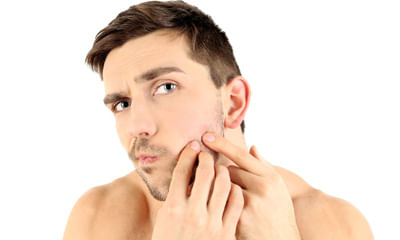


Hii am an teenager guy I have oily and acne skin can you give me best skin products I am 16 years old. ...

Ask Free Question
Hi, Apply Aclear ointment at night after washing the face with Kusum bathing powder and take Cap. Aclear 1 cap twice a day after food for 3 months continuously.
I’m suffering from ring worm (tinea corporis) all over body - hands, thighs, chest, back, legs from 2 months have severe ...
Ask Free Question
Fungal infections in the groin and buttocks are commonly referred to as ringworm, jock itch or tinea cruris. They occur when certain types of fungi, such as dermatophytes, grow and multiply in warm and moist areas of the body, like the groin. Symptoms of a fungal infection in the groin may include: red, itchy rash: the affected area often becomes red, itchy, and inflamed. The rash may have well-defined edges and small, raised blisters or scales. Itching and burning: the rash can cause intense itching and a burning sensation, which can be uncomfortable. Peeling or cracking skin: the skin in the groin area may become dry, flaky, or start to peel. Odor: fungal infections can sometimes cause an unpleasant odor. If the symptoms persist or worsen despite self-care measures, it is advisable to consult a healthcare professional or dermatologist. They can provide a proper diagnosis and recommend appropriate treatment options, which may include prescription-strength antifungal medications.
Hello good evening doctors I have been suffering from fungal infection in inner thigh for almost 3 months. Both thighs a ...

Ask Free Question
U can try this (do patch test first) wash the affected skin two to three times a day. Keep the affected area dry. Avoid excess affected skin irritation by wearing 100% cotton underwear. Avoid fabric softeners, bleaches, or harsh laundry detergents. Wash your workout clothes, underwear, socks, and towels after each use. Keep your affected area, inner thighs, and buttocks clean and dry, especially after you exercise and shower. After showering or bathing, dry the irritated affected area by gently patting it with a towel. Be sure to dry your skin thoroughly. Mix two tablespoons of apple cider vinegar in two cups of warm water. Wash the infected area with this solution and allow it to dry on its own. Another option is to apply a mixture of equal parts of white vinegar and coconut oil on the affected skin. Like hydrogen peroxide, rubbing alcohol can help kill off the fungus that's on the surface level of the skin. You can apply it directly to the affected area listerine: it has antiseptic, antifungal and antibacterial properties, which help treat skin problem here are some tips to help you manage the infection: avoid using oily skin products. Reduce your exposure to the sun. Exposure to the sun may trigger or worsen an episode, do not wear tight clothing. Wear breathable fabrics, such as cotton, to decrease sweating. For this homeopathic treatment is very effective for more details you can consult me.
I am acne problem. I consulted a doctor. I am using cetaphil cleanser. Rose water as toner and hylomoist moisturizer. I ...
Ask Free Question
Pimples, also known as acne, are primarily caused by a combination of factors involving the skin's oil glands, hair follicles, bacteria, and hormonal changes. Here are some of the common causes of pimples: 1. Excessive sebum production: sebum is an oily substance produced by the sebaceous glands in the skin. When the sebaceous glands produce too much sebum, it can clog the hair follicles, leading to the formation of pimples. 2. Clogged pores: the hair follicles or pores can become clogged with dead skin cells, dirt, and other debris. When this happens, it creates an environment where bacteria can thrive, causing inflammation and resulting in pimples. 3. Bacterial activity: the skin is home to bacteria, including propionibacterium acnes (p. Acnes). This bacterium feeds on the sebum produced by the skin and can multiply rapidly in clogged hair follicles, leading to inflammation and the formation of pimples. 4. Hormonal changes: hormonal fluctuations, particularly during puberty, menstruation, pregnancy, and menopause, can increase sebum production and alter the normal functioning of the skin. This hormonal imbalance can contribute to the development of pimples. 5. Diet: while the relationship between diet and acne is not fully understood, some studies suggest that certain foods, such as high-glycemic-index carbohydrates and dairy products, may worsen acne in susceptible individuals. However, more research is needed to establish definitive links. 6. Stress: stress can aggravate acne or contribute to its development. High-stress levels may increase inflammation in the body, leading to acne flare-ups. 7. Medications: some medications, such as corticosteroids, androgenic steroids, and certain anticonvulsants, may cause acne as a side effect. 8. Cosmetic products: certain makeup, skincare products, and hair styling products that are comedogenic (tend to clog pores) can contribute to the development of pimples. It's important to note that the causes and severity of acne can vary from person to person, and treating acne effectively often requires a tailored approach based on individual factors. If you're experiencing persistent or severe acne, it's advisable to consult a dermatologist for proper diagnosis and treatment.
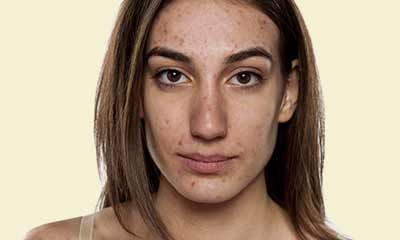
I am currently 25 years old, lately, I have been experiencing acne breakouts around my nose which I suspect is because o ...
Ask Free Question
Pimples, also known as acne, are primarily caused by a combination of factors involving the skin's oil glands, hair follicles, bacteria, and hormonal changes. Here are some of the common causes of pimples: 1. Excessive sebum production: sebum is an oily substance produced by the sebaceous glands in the skin. When the sebaceous glands produce too much sebum, it can clog the hair follicles, leading to the formation of pimples. 2. Clogged pores: the hair follicles or pores can become clogged with dead skin cells, dirt, and other debris. When this happens, it creates an environment where bacteria can thrive, causing inflammation and resulting in pimples. 3. Bacterial activity: the skin is home to bacteria, including propionibacterium acnes (p. Acnes). This bacterium feeds on the sebum produced by the skin and can multiply rapidly in clogged hair follicles, leading to inflammation and the formation of pimples. 4. Hormonal changes: hormonal fluctuations, particularly during puberty, menstruation, pregnancy, and menopause, can increase sebum production and alter the normal functioning of the skin. This hormonal imbalance can contribute to the development of pimples. 5. Diet: while the relationship between diet and acne is not fully understood, some studies suggest that certain foods, such as high-glycemic-index carbohydrates and dairy products, may worsen acne in susceptible individuals. However, more research is needed to establish definitive links. 6. Stress: stress can aggravate acne or contribute to its development. High-stress levels may increase inflammation in the body, leading to acne flare-ups. 7. Medications: some medications, such as corticosteroids, androgenic steroids, and certain anticonvulsants, may cause acne as a side effect. 8. Cosmetic products: certain makeup, skincare products, and hair styling products that are comedogenic (tend to clog pores) can contribute to the development of pimples. It's important to note that the causes and severity of acne can vary from person to person, and treating acne effectively often requires a tailored approach based on individual factors. If you're experiencing persistent or severe acne, it's advisable to consult a dermatologist for proper diagnosis and treatment.
I have oily skin so basically I have an oily face so due to acne and pimples I have open pores in my both cheeks and in ...
Ask Free Question
Pimples, also known as acne, are primarily caused by a combination of factors involving the skin's oil glands, hair follicles, bacteria, and hormonal changes. Here are some of the common causes of pimples: 1. Excessive sebum production: sebum is an oily substance produced by the sebaceous glands in the skin. When the sebaceous glands produce too much sebum, it can clog the hair follicles, leading to the formation of pimples. 2. Clogged pores: the hair follicles or pores can become clogged with dead skin cells, dirt, and other debris. When this happens, it creates an environment where bacteria can thrive, causing inflammation and resulting in pimples. 3. Bacterial activity: the skin is home to bacteria, including propionibacterium acnes (p. Acnes). This bacterium feeds on the sebum produced by the skin and can multiply rapidly in clogged hair follicles, leading to inflammation and the formation of pimples. 4. Hormonal changes: hormonal fluctuations, particularly during puberty, menstruation, pregnancy, and menopause, can increase sebum production and alter the normal functioning of the skin. This hormonal imbalance can contribute to the development of pimples. 5. Diet: while the relationship between diet and acne is not fully understood, some studies suggest that certain foods, such as high-glycemic-index carbohydrates and dairy products, may worsen acne in susceptible individuals. However, more research is needed to establish definitive links. 6. Stress: stress can aggravate acne or contribute to its development. High-stress levels may increase inflammation in the body, leading to acne flare-ups. 7. Medications: some medications, such as corticosteroids, androgenic steroids, and certain anticonvulsants, may cause acne as a side effect. 8. Cosmetic products: certain makeup, skincare products, and hair styling products that are comedogenic (tend to clog pores) can contribute to the development of pimples. It's important to note that the causes and severity of acne can vary from person to person, and treating acne effectively often requires a tailored approach based on individual factors. If you're experiencing persistent or severe acne, it's advisable to consult a dermatologist for proper diagnosis and treatment.
I am facing acne / pimple problem on my face from last month I have applied many neem face pack, facewash and many other ...
Ask Free Question
Acne is a skin condition that occurs when your hair follicles become plugged with oil and dead skin cells. It causes whiteheads, blackheads or pimples. These factors can trigger or aggravate acne: hormones, certain medications, diet, stress. To prevent pimples, eat fresh fruits, green vegetables, drinking plenty of water should be an essential part of your routine and intake of oily fried foods, an excess of sugar-salt should be avoided. Don't peal pimples, as they tend to leave scars. Stop using soap on face. Instead take a spoon of milk, add a pinch of turmeric (haldi). Mix n apply on face with the help of cotton. Leave for a few minutes then wash off. It’s a good cleanser. If skin is dry then apply moisturizer like coconut oil. For swollen pimples, gently apply ice for a minute or so. Just don't keep the ice on so long that it irritates your skin. Tea tree oil can kill bacteria. Some people use it to treat minor skin irritations, including acne. There isn't much research on how effective it is, but tea tree oil is safe to put directly on your skin in a diluted form. Try it on a small area first to make sure you don't have an allergic reaction. Simple honey mask--before applying this mask, rinse your face with warm water to open up pores. Then apply honey and leave it on the skin for 30 minutes. Rinse the honey off with warm water; then rinse again with cold water to close the pores. Yeast and yogurt mask for oily skin--oily skin is prone to acne, and this home remedy can reduce excess oil and help clear acne. To make the mask, combine 1 teaspoon of brewer's yeast with a little plain yogurt to create a thin mixture. Apply it thoroughly to all the oily areas and leave on for 15 to 20 minutes. Rinse with warm water; then use cold water to close the pores.Homeopathy is a very effective for this problem n has very encouraging results. Consult online for medicinal part.
I have a oily skin what treatment is needed especially on my face and it gives me pimples. ...

Ask Free Question
Hello Oily skin occurs when glands in the skin make too much sebum, which is the waxy substance that seals in moisture. Gentle cleansing, oil-free moisturizers, and treatments to reduce sebum production may help. Homeopathy medicine will give you best results.
I'm 19 years old and had acne, blackheads, acne scars, an oily skin and recently I noticed some fine lines on my forehea ...

Ask Free Question
These are all photoaging signs, you need to add sunscreen in your routine and for other signs consult plastic surgeon for further diagnosis and treatment.