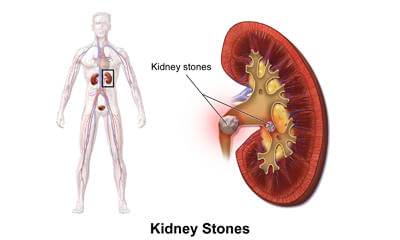
Best Food For Kidney Patient
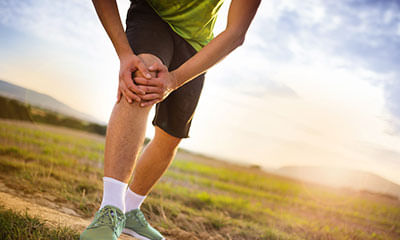
8 months ago there was medial meniscus tear which came in that time mri which was grade 2 there was pain in walking afte ...


Ask Free Question
You need to consume good protein and iron diet in your body which will help you to break the fatigue and general body pain. However non veg foods definitely makes you to get increased with the toxin levels in the body and it makes your knee to have less fluid content in the system. In general we suggest patients who has knee pain to eat more water content vegetables which will definitely help you to feel better. Ice therapy would definitely help to reduce the inflammation. We also advise you to use knee cap which would help to prevent the knee from damaging further and also to maintain the quadriceps muscle tone. Stiffness have developed due to weakness of the ligaments &inflammed cartilage. Specific knee exercises will also help ie. Keeping ball underneath the knee and keep pressing it. That's the simple exercise which will help you to strengthen the knee. • ultrasound- which heals the damaged tissues and heals • electric stimulation / ift- which reduces the pain • kinesiology taping • application of heat or ice • soft tissue massages or knee joint mobilization 5 do’s & don’ts to reduce your knee pain. 1. Don’t take too much rest- not only your body muscles may become weaker even your joint’s pain may become worse. Take consultation from your physiotherapist to guide you with knee pain exercises which are safe for your knees & keep doing it. 2. Do exercise– exercises help in strengthening the muscles, increase flexibility & also support your knee. You can also do swimming, walking, elliptical machines & bicycles, etc. 3. Don’t avoid your weight– excess weight may increase the stress on your knee and if you have inflammatory arthritis then it may become worse. You don’t need to have ideal weight, you just need to start working to reduce the weight. 4. Rice -this process is good for joint pain caused due to minor injury or an arthritis. • • r (rest) – give some rest to your knees. • I (ice) – massage your knees with ice to reduce swelling. • c (compression)- start wearing compression bandage. • e (elevation)- keep your knee elevated. 5. Don’t wear bad shoes- we actively wear shoes in our daily life for hours without noticing how it can affect your knees badly. So, if you are facing knee pain, then check your shoes first. Is it giving you good comfort? If not then change it urgently. The importance of buying braces and splints from us – orthopaedic support braces we suggest you to wear knee brace which is available at our clinic. If you want you can buy from us, if you are far away from chennai we can send you by courier. The reason why we are conveying you to buy from us is we can demonstrate over the videocall and also we can monitor you throughout when to wear it and how long to wear it. And also if you find any difficulty wearing the brace you can also revert back to us for few more suggestions and we can propose you good solution how to go about it. Resisted terminal knee extension: make a loop with a piece of elastic tubing by tying a knot in both ends. Close the knot in a door at knee height. Step into the loop with your injured leg so the tubing is around the back of your knee. Lift the other foot off the ground and hold onto a chair for balance, if needed. Bend the knee with tubing about 45 degrees. Slowly straighten your leg, keeping your thigh muscle tight as you do this. Repeat 15 times. Do 2 sets of 15. If you need an easier way to do this, stand on both legs for better support while you do the exercise. Standing calf stretch: stand facing a wall with your hands on the wall at about eye level. Keep as arthritis is very common that you get generally bilaterally. Ice therapy would definitely help to reduce the inflammation. We also advise you to use knee cap which would help to prevent the knee from damaging further and also to maintain the quadriceps muscle tone 1. Heel and calf stretch to do this stretch: 1. Stand facing a wall. 2. Place your hands on the wall and move one foot back as far as you can comfortably. Toes on both feet should be facing forward, heels flat, with a slight bend in your knees. 3. Lean into the stretch and hold for 30 seconds. You should feel the stretch in your back leg. 4. Change legs and repeat. 5. Do this stretch twice for both legs. Short arc quad / isometeric quad exercise the short arc quad exercise is a great way to really focus in on properly contracting your quadriceps muscles. Here is how you do it: lie on your back and use a yoga block or basketball to prop your knee up. Slowly straighten your bent knee until it is all the way straight. Tighten your quad muscle with your toes pointed toward the ceiling and hold it tight for five seconds. Slowly lower your leg down. Repeat for 15 repetitions. Quadriceps, isometric (strength) this exercise is for an injured right knee. Switch sides if the injury is to your left knee. 1. Sit on the floor with your right leg straight in front of you. Bend your left knee up and put your left foot flat on the floor. 2. Flex your right foot and tighten the thigh muscles of your right leg. Press the back of your right knee toward the floor. Don’t arch your back or hunch your shoulders. 3. Hold for 5 to 10 seconds. Then relax. 4. Repeat 10 times, or as instructed. 5. Do this exercise 3 times a day, or as instructed. 2. Quadriceps stretch to do this stretch: 1. Stand next to a wall or use a chair for support. Your feet should be shoulder-width apart. 2. Bend one knee so your foot goes up toward your glutes. 3. Grab your ankle and gently pull it toward your glutes as far as you can comfortably. 4. Hold for 30 seconds. 5. Return to the starting position and change legs. 6. Repeat 2 times on each side. Hamstring stretch • take a break from strenuous activities to allow the injury to heal. • use a cane or crutches to avoiding putting your full weight on your injured leg. • apply ice packs several times a day to relieve pain and reduce swelling. • wrap the injured area with a compression bandage or wear compression shorts to minimize swelling. • rest with your leg elevated above the level of your heart, if possible, to improve drainage and minimize swelling. To do this stretch: to do this stretch: 1. For this stretch, you can use a mat to add cushioning under your back. 2. Lie down on the floor or mat and straighten both legs. Or, if it’s more comfortable, you can bend both knees with your feet flat on the floor. 3. Lift one leg off the floor. 4. Place your hands behind your thigh, but below the knee, and gently pull your knee toward your chest until you feel a slight stretch. This shouldn’t be painful. 5. Hold for 30 seconds. 6. Lower and change legs. 7. Repeat 2 times on each side. Strengthening exercises 5. Half squat to do this exercise: 1. Get into a standing squat position with your feet shoulder-width apart. Place your hands on your hips or out in front of you for balance. 2. Looking straight ahead, slowly squat down about 10 inches. This is the halfway point to a full squat. 3. Pause for a few seconds, then stand up by pushing through your heels. 4. Do 2 to 3 sets of 10 repetitions. 5. Calf raises to do this exercise: 1. Stand with your feet shoulder-width apart. Position yourself next to a wall or hold on to the back of a chair for support. 2. Lift both your heels off the ground so that you’re standing on the balls of your feet. 3. Slowly lower your heels to the starting position. Control is important with this exercise for strengthening your calf muscles. 4. Do 2 to 3 sets of 10 repetitions. 6. Hamstring curl 7. Leg extensions to do this exercise: 1. Sit up tall in a chair. 2. Put your feet flat on the floor, hip-width apart. 3. Look straight ahead, contract your thigh muscles, and extend one leg as high as possible without raising your buttocks off the chair. 4. Pause, then lower to the starting position. 5. Do 2 to 3 sets of 10 repetitions for each leg. 8. Straight leg raises to do this exercise: 1. For this exercise, you can use a mat to add cushioning under your back. 2. Lie down on the floor with one leg bent and one leg straight out in front of you. 3. Contract the quadricep of your straight leg and slowly raise it up off the floor until it’s the same height as your bent knee. 4. Pause at the top for 5 seconds, then lower to the starting position 5. Do 2 to 3 sets of 10 repetitions for each leg. 9. Side leg raises to do this exercise: 1. Lie on your side with your legs stacked on top of each other. Cradle your head in your hand, and place your other hand on the floor in front of you. 2. Raise your top leg as high as you comfortably can. You should feel this on the side of your hips. 3. Pause briefly at the top, then lower your leg. 4. Do 2 to 3 sets of 10 repetitions for each leg. 10. Prone leg raises to do this exercise: 1. For this exercise, you can use a mat to add cushioning beneath you. 2. Lie on your stomach with your legs straight out behind you. You can let your head rest on your arms. 3. Engage your glute and hamstring muscles in your left leg and lift your leg as high as you exercise. 4. Hold your leg in the lifted position for 5 seconds. 5. Lower your leg, rest for 2 seconds, then repeat. 6. Do 2 to 3 sets of 10 repetitions for each leg. Lifestyle and home remedies rest. Take a break from your normal activities to reduce repetitive strain on your knee, give the injury time to heal and help prevent further damage. A day or two of rest may be all you need for a minor injury. More severe damage is likely to need a longer recovery time. Ice. Ice reduces both pain and inflammation. A bag of frozen peas works well because it covers your whole knee. You also can use an ice pack wrapped in a thin towel to protect your skin. Although ice therapy is generally safe and effective, don't use ice for longer than 20 minutes at a time because of the risk of damage to your nerves and skin. Heat. You may experience temporary pain relief by applying a heat pack or hot-water bottle to the painful area on your knee. Compression. This helps prevent fluid buildup in damaged tissues and maintains knee alignment and stability. Look for a compression bandage that's lightweight, breathable and self-adhesive. It should be tight enough to support your knee without interfering with circulation. Elevation. To help reduce swelling, try propping your injured leg on pillows or sitting in a recliner. Home remedies and prevention: •drinking plenty of water. Over-the-counter nsaids (nonsteroidal anti-inflammatory drugs), such as ibuprofen (advil, motrin). •home remedies may be very beneficial for the management of chronic gout, as well. The dietary modifications detailed above can be very effective in certain patients. Drinking plenty of water to remain well-hydrated can be beneficial in preventing gout attacks. •limit or avoid alcohol. Talk with your doctor about whether any amount or type of alcohol is safe for you. Recent evidence suggests that beer may be particularly likely to increase the risk of gout symptoms, especially in men. •get your protein from low-fat dairy products. Low-fat dairy products may actually have a protective effect against gout, so these are your best-bet protein sources. •limit your intake of meat, fish and poultry. A small amount may be tolerable, but pay close attention to what types — and how much — seem to cause problems for you. •maintain a desirable body weight. Choose portions that allow you to maintain a healthy weight. Losing weight may decrease uric acid levels in your body. But avoid fasting or rapid weight loss, since doing so may temporarily raise uric acid levels. Food to eat: •fresh fruits and vegetables such as berries, oranges, bell pepper and pineapple. •low-fat dairy products, such as yogurt and skimmed milk. •nuts including nut butter ••s such as almond butter and peanut butter. •whole grains. •potatoes, rice, whole-grain bread and pasta. •eggs (in moderation). •oils such as olive oil.•flax and other seeds. •plenty of water and other non-sugary and non-alcoholic drinks. •vitamin c. Supplements containing vitamin c may reduce the levels of uric acid in your blood. •cherries have been lower levels of uric acid, as well as reduce the number of gout attacks. •decaffeinated coffee and caffein will lower uric acid levels. Foods to be avoided: •alcohol is a major trigger for gout attacks. Beer is especially bad for gout since it is rich in purines. •certain fish, seafood and shellfish, including anchovies, trout, sardines, herring, codfish, mussels, codfish, scallops and haddock. •organ meats such as liver, kidney, sweetbreads and brain. People with gout, however, can have a moderate intake of lean meats such as chicken and turkey. •red meat including bacon, turkey, veal and venison.•dried beans and peas. •food products containing a high amount of fructose such as soda and some juices, cereal, ice cream, candy and junk food.


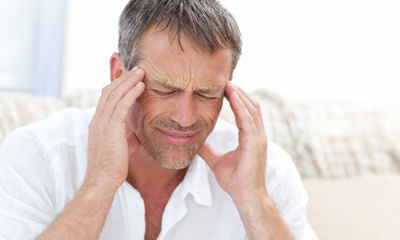
Stress tension muscle pain headache problem, I am an epilepsy patients medicine continue selzic od 600, desval er 500, c ...
Ask Free Question
Dear lybrate-user, muscle pain and headache may be due to stress; tension regarding your disease---to relieve these--you first accept your problem and compare yourself with people having more severe problems like kidney failure ; cancer etc--your problem can be well controlled and you can have a fruitful normal life if you start accepting the guidelines below and living accordinglymobileyour treatment is to start with lifestyle changes ----- you make a healthy schedule of daily activities with correct timings for sleeping; working ; eating ; entertainments ; exercise ;yoga ; meditation ; prayers ; social and religious activities and then -- strictly follow the schedule --- booster your mental health by increasing positive mental energy by 1- always smiling 2- help; support ; encourage and appreciate your family members; neighbors ; colleagues --- by observing them continuously----- 3-reduce your negative mental energy like anger ; anxiety ; fear ; depression ; jealousy ; selfishness etc. By being philosophical about our momentary journey ----life of maximum 40000 days --in this beautiful world --where we forget to enjoy the good things-- due to our passion for sincerity ;greed for possessions ; selfish interests etc. -- just make happiness to your fellow passengers like your parents; wife; children; neighbors; colleagues and accrue positive energy in your soul ---which is the only item which we can take from this world when we are going finally. So you make a diary of your good and bad deeds daily and make sure that the good deeds are more every day mobileyou sleep --only after making this diary notes --you tabulate your monthly balance and see that it is positive and such numbers are increasing------- now let us look at your daily food menu --- take about 300 gm of fresh vegetables and glv and fruits before your lunch and dinner daily as fresh salads or fresh juice. Drink 12-14 glasses of water /fluids daily / restrict oily; fried ; fatty ; junk ; fast food items and colas and take maximum ethnic vegetarian food // take food in small quantity at frequent intervals // don't take food during your screen time // take your dinner before 8 pm //restrict your food in dinner parties and lunch parties //avoid alcohol and smoking ;drugs // restrict your screen time to 3 hours daily // if you are a computer professional ---take 5 minutes of rest every 1 hour at computer --go round in office --chit chat or look at distance -wash face and come back to work ---- sleep for 8 hours daily --that also at fixed timings --if your work permits // have any type of entertainment for 1 hour daily // keep regular fixed time for passing stool -twice daily ; passing urine every 3-4 hours; brushing teeth twice daily and taking bath twice daily. Do exercise for 30 minutes daily --like walking; cycling ; swimming etc. // do yoga; pranayama ; meditation for 20 minutes daily //have prayers for 20 minutes daily --if you are a believer. After starting a daily schedule of your activities with the above advice and continuing for 2 months --you assess-- by yourself-- about the health problems still remaining --continue your treatment for epilepsy promptly with regular check-up by your doctor-//-for stress; depression ;pain etc --you may have a check-up by a psychiatrist-psychologist-psychosocial worker team at a good hospital and continue their treatment .//also continue with the lifestyle changes which you had started 2 months ago---ok --
Hi sir, pradeep here form bangalore, I am currently 33 years old unmarried with no peace in life for the past 8 months d ...
Ask Free Question
Answer—i have gone through your details of health problems -- having stress regarding physical symptoms ; fits; palpitations ; gastro-intestinal and neuralgic type of symptoms –with anxiety –are your health problems--in this background you requires treatment including sessions by psychiatrist—psychologist—psycho-social worker team ; cardiologist ; gastroenterologist and neurologist along with efforts from your side for lifestyle changes as described below- from your explanation --i feel that your problems are related to stopping medicines at your own level with out advice from the docyor ---especially for fits ;uncontrolled and irregular daily schedule of activities ---with anxiety and desire for achieving targets and overstrain and overwork ----all these leading to palpitation ;depression ; stomach upset; neuralgia etc. So your treatment is to start with lifestyle changes ----- you make a healthy schedule of daily activities with correct timings for sleeping; working ; eating ; entertainments ; exercise ;yoga ; meditation ; prayers ; social and religious activities and then -- strictly follow the schedule --- booster your mental health by increasing positive mental energy by 1-convincing yourself that you have no major cardiac or deadly disease and there are people around you who are suffering more than you and need your help – like poor cancer; kidney patients. Still some of them are always smiling ; helping; supporting ; encouraging and appreciating others upto their last breathe —read stories of such people –which are coming in media and you try to do the same--- to your family members; neighbors ; colleagues –and poor patients in cancer wards etc -- ----- 2---reduce your negative mental energy like anger ; anxiety ; fear ; depression ; jealousy ; selfishness etc. By being philosophical about our momentary journey of-life--- of maximum 40000 days --in this beautiful world --where we forget to enjoy the good things-- due to our passion for sincerity ;over anxiety about own health ; status etc and greed for possessions ; selfish interests etc. -- just smile and try to make happiness to your fellow passengers like your parents; wife; children ; neighbors; colleagues and try to forget your health problems --at least for few hours daily & accrue positive energy in your soul ---which is one of the best medicines for your problems and the only item which we can take from this world ---when we are going finally.mobile so you make a diary of your good and bad deeds daily and make sure that the good deeds are more every day -----you sleep --only after making this diary notes --you tabulate your monthly balance and see that it is positive --- --- now let us look at your daily food menu --- take about 300 gm of fresh vegetables and glv and fruits before your lunch and dinner daily as fresh salads or fresh juice. Drink 12-14 glasses of water /fluids daily / restrict oily; fried ; fatty ; junk ; fast food items and avoid colas; alcohol ; tobacco and drugs and take maximum ethnic vegetarian food // take food in small quantity at frequent intervals // don't take food during your screen time // take your dinner before 8 pm //restrict your food in dinner parties and lunch parties / // restrict your screen time to 3 hours daily // if you are a computer professional ---take 5 minutes of rest every 1 hour at computer --go round in office --chit chat or look at distance -wash face and come back to work ---- sleep for 8 hours daily --that also at fixed timings --if your work permits // have any type of entertainment for 1 hour daily // keep regular fixed time for passing stool -twice daily ; passing urine every 3-4 hours; brushing teeth twice daily and taking bath twice daily. Do exercise for 30 minutes daily --like walking; cycling; swimming etc. // do yoga; pranayama ; meditation for 20 minutes daily //have prayers for 20 minutes daily --if you are a believer. After starting a daily schedule of your activities with the above advice and continuing for 2 months --you assess-- by yourself-- about the health problems still remaining ---like palpitation ; fits ;anxiety etc and go to a good hospital like cmc; vellore ----meet a group of good psychiatrist—psychologist – psycho social worker team; cardiologist ; gastroenterologist ; neurologist as per your main problems--- take treatment as they instructs and continue the new lifestyle which you have strated 2 months ago ---as detailed above -- --thank you for your question ----which explains the problems of many people at present----.wish you all the best.
Hello. I'm 32 pcos patient. I have stones in kidney. And piles also. And i'm 7 week pregnant. So what foods I avoid. ...
Ask Free Question
Are you constipated?1. Take home cooked, fresh light food. Take a lot of green vegetables n fruit. 2. Increase the fibre in your diet 3. Increase your fluid intake 4. Avoiding straining and constipation which is the most useful thing patients can do to prevent the problem coming back. 5. Maintain active life style6. Curd is good for u. 7. Avoid fast foods, spicy n fried foods homeopathy is a very effective for this problem n has very encouraging results. And homeopathic medicines are safe and do not have any side effects at all.
My father (72 yrs) has kidney failure. Doctors told him to go for dialysis. Can homeopathy medicine treat it without dia ...
Ask Free Question
Yes. He should follow medicine and food .because normal food will increase urea, creatinine in blood. So he should follow both medicine and foods.
I feel upper stomach swollen and liver swollen after eating a little I did blood test for liver and kidney so my bilirub ...
Ask Free Question
Hello Mr Punit ji, as you explain you may suffer with many of your digestive systems organ damage system from phynx to stomach with liver inlargement. if you have alcohol taking history it can affect your food habit and timing as well. better to go for USG UPPER ABDOMEN to confirm perticular health issue with them there after you can go better treatment. or you can consult with documents after that. if you want to discuss more regarding you have to consultation fee and connect with me accordingly in your intrest
I got my uti checked by getting urine routine and everything was normal pus cell is 0-2 epithelial 1-3 I got protein pre ...
Ask Free Question
Get fasting blood glucose test done. Most likely you are a diabetic patient. Take proper treatment- otherwise you will have damage to heart, kidneys etc you can consult by video consultation.
My testosterone blood test range is 333. Im non diabetic and blood pressure patient but i'm mvr heart patient can you su ...

Ask Free Question
Hi, lybrate user, Tk, plenty of water to hydrate your body. Tk, apples, carrots, spinach, almonds, walnuts, pumpkin seeds and watermelon to improve testosterone level. Consult, privetly for a faster recovery, till, then take, homoeopathic medicine, underlying : @ Agnus cast Q -10drops, thrice. Avoid,junk food, alcohol and nicotine. Tk, care.
I am 22 years old. I have done 100 squads before 2 days. I am getting lot of pain in my thighs and not able do daily act ...
Ask Free Question
Back pain can affect people of any age, for different reasonsas people get older, the chance of developing lower back pain increases, due to factors such as previous occupation and degenerative disk disease. Lower back pain may be linked to the bony lumbar spine, discs between the vertebrae, ligaments around the spine and discs, spinal cord and nerves, lower back muscles, abdominal and pelvic internal organs, and the skin around the lumbar area. •acute pain starts suddenly and lasts for up to 6 weeks. •chronic or long-term pain develops over a longer period, lasts for over 3 months, and causes ongoing problems. Home advise: •resting from strenuous activity can help, but moving around will ease stiffness, reduce pain, and prevent muscles from weakening. •applying heat, ice, ultrasound, and electrical stimulation — as well as some muscle-release techniques to the back muscles and soft tissues — may help alleviate pain. •as the pain improves, the physical therapist may introduce some flexibility and strength exercises for the back and abdominal muscles. Techniques for improving posture may also help. •the patient will be encouraged to practice the techniques regularly, even after the pain has gone, to prevent back pain recurrence. Regular exercise helps build strength and control body weight. Guided, low-impact aerobic activities can boost heart health without straining or jerking the back. Before starting any exercise program, talk to a health care professional. There are two main types of exercise that people can do to reduce the risk of back pain: •core-strengthening exercises work the abdominal and back muscles, helping to strengthen muscles that protect the back. •flexibility training aims at improving core flexibility, including the spine, hips, and upper legs. We suggest you to wear lumbosacral corset (belt) which is available at our clinic. If you want you can buy from us, if you are far away from chennai we can send you by courier. The reason why we are conveying you to buy from us is we can demonstrate over the videocall (using whatsapp) and also we can monitor you throughout when to wear it and how long to wear it. And also if you find any difficulty wearing the brace you can also revert back to us for few more suggestions and we can propose you good solution how to go about it. Uses of lumbosacral corset (belt) a lumbosacral corset adds pressure to the intra-abdominal area. This adds stability to the spine. It is prescribed to people suffering from moderate to severe pain. Other benefits of using a lumbar spine belt are: 1.helps in a certain degree of immobilization of facet joints. 2.reduces pain to allow continuation of normal activities. 3.speeds up the healing process. 4.the pressure exerted by a lumbar spine belt helps in stretching the erector spine muscles. 5.this belt can also be used to support the lower back while exercising. Ohelps prevent rolling oprovides stability to lumbar and sacral regions of the back ocan be used when performing actions like lifting and handling heavy items ocan also be used when playing sports orestricts back movement to aid treatment of back problems do’s and don’ts sitting do: • sit as little as possible and then only for short periods. • place a supportive towel roll at the belt line of the back especially when sitting in a car. • when getting up from sitting, keep the normal curves in your back. Move to the front of the seat and stand up by straightening your legs. Avoid bending forward at the waist. • try to keep the normal curves in your back at all times. Don’t: • do not sit on a low soft couch with a deep seat. It will force you to sit with your hips lower than your knees and will round your back. You will loose the normal curve in your back. • do not place your legs straight out in front of you while sitting (e.g. Sitting in the bath tub). Standing do: • if you must stand for a long period of time, keep one leg up on a foot stool. • adapt work heights. Don’t: • avoid half bent positions. Lifting avoid lifting if you can. Do: • use the correct lifting technique. Keep your back straight when lifting. Never stoop or bend forward. Stand close to the load, have a firm footing and wide stance. Kneel on one knee, keeping the back straight. Have a secure grip on the load and lift by straightening your knees. Do a steady lift. Shift your feet to turn and do not twist your back. Don’t: • do not jerk when you lift. • do not bend over the object you are lifting. Lying do: • sleep on a good firm surface. • if your bed sags, use slats or plywood supports between the mattress and base to firm it. You also can place the mattress on the floor, a simple but temporary solution. • you may be more comfortable at night when you use a pillow for support. Don’t: • do not sleep on your stomach unless advised to do so by your doctor or physical therapist. Bending forward do: • keep the natural curves of your back when doing these and other activities: making a bed, vacuuming, sweeping or mopping the floor, weeding the garden or raking leaves. Coughing and sneezing do: • bend backwards to increase the curve of your back while you cough or sneeze. Driving a car do: • drive the car as little as possible. It is better to be a passenger than to drive yourself. • move the seat forward to the steering wheel. Your seat must be close enough to the wheel to keep the natural curves of your back. If your hips are lower than your knees in this position, raise yourself by sitting on a pillow. Exercises for low back pain safety guidelines • an increase in your low back pain can be expected with these exercises. This is acceptable as long as your leg symptoms are not increasing. • if while doing these exercises, your pain worsens or you have new pain or symptoms, stop the exercises and discuss your symptoms with your doctor or physical therapist. • stop exercising and let your doctor or physical therapist know right away if you have any change in your bowel or bladder control or any increase in weakness in your leg or foot. Exercises ‰ •press-ups: keep your back and buttocks relaxed and use your arms to press up. Concentrate on keeping your hips down and push up your upper body as high as possible. •double knee to chest: grasp both your knees with your hands and pull toward your shoulders. Hold the stretch for 1 second. Let your knees return, but keep them bent at arms length. ‰ •lumbar spine stretches: lie on your back. Bring your knees towards your chest. Rotate your knees towards the pain. •side-lying position: lie on your side and face forward. Have both arms straight in front and bend your knees. Turn your head as you move your top arm across your body as far as you can. Keep your arm in place and turn your head back to the starting position. Look back again and turn your head farther if you can. Bring your head and arm back to the starting position. Relax and repeat 10 times on each side. •hamstring stretch: lie on your back with your legs out straight. Raise your leg up and put your hands around the upper leg for support. Slowly straighten the raised knee until you feel a stretch in the back of the upper leg. Hold, then relax and repeat 10 times on each leg. •standing arch: stand with your feet apart and hands on the small of your back with fingers pointing backwards. Bend backwards at the waist, supporting the trunk with your hands. Keep your knees straight. Hold for 5 seconds. Repeat 3 to 5 times. Side glides: stand at a right angle to the wall about 2 feet o eliminate your pain improve your muscular endurance and strength attain better posture, balance, body awareness and co-ordination improve your balance and flexibility learn to lift properly. posture when standing: make sure you have a neutral pelvic position. Stand upright, head facing forward, back straight, and balance your weight evenly on both feet. Keep your legs straight and your head in line with your spine. Posture when sitting: a good seat for working should have good back support, arm rests and a swivel base. When sitting, try to keep your knees and hips level and keep your feet flat on the floor, or use a footstool. You should ideally be able to sit upright with support in the small of your back. If you are using a keyboard, make sure your elbows are at right-angles and that your forearms are horizontal. Shoes: flat shoes place less of a strain on the back. Driving: it is important to have proper support for your back. Make sure the wing mirrors are properly positioned so you do not need to twist. The pedals should be squarely in front of your feet. If you are on a long journey, have plenty of breaks. Get out of the car and walk around. Bed: you should have a mattress that keeps your spine straight, while at the same time supporting the weight of your shoulders and buttocks. Use a pillow, but not one that forces your neck into a steep angle.
Sir, I wanted to know, when a patient have calcium oxalate kidney stone, then, can he take calcium rich food. ...

Ask Free Question
You should avoid or minimise the use of calcium rich diet as your body is already depositing the calcium content because of your disturbed metabolism.