
Get the App
For Doctors
Login/Sign-up


About

Health Feed
AllQ&AsTipsQuizzes


Pill 72 750 MCG Tablet Health Feed
Asked for male, 24 years old from Bangalore
Share
Bookmark
Report


Hello-
unwanted 72 (levonorgestrel) is an emergency contraceptive pill that is hormone-based. It can cause some side effects of delayed periods or early periods in some females. Consult your doctor if your periods are delayed by more than 7/10 days for a pregnancy test.
unwanted 72 (levonorgestrel) is an emergency contraceptive pill that is hormone-based. It can cause some side effects of delayed periods or early periods in some females. Consult your doctor if your periods are delayed by more than 7/10 days for a pregnancy test.
86 people found this helpful
Asked for male, 21 years old from Kanpur
Share
Bookmark
Report


The emergency contraceptive pill, commonly known as the "morning-after pill" or "i pill, is a form of contraception that can be taken after unprotected intercourse to reduce the risk of pregnancy. The I pill contains levonorgestrel, which is a synthetic hormone that helps prevent pregnancy by inhibiting ovulation, fertilization, or implantation of a fertilized egg.
Taking the I pill can have several effects on your menstrual cycle. It is common for the pill to cause changes in your menstrual...more
Taking the I pill can have several effects on your menstrual cycle. It is common for the pill to cause changes in your menstrual...more
Health Query
Share
Bookmark
Report


Hi. Yes I understand your problem. You followed everything very well but safety is better than to regret it later. Use ocps along with condom for better contraception as just condoms failure rate is more as you experienced .and wen you use ocps never misss a single dose. U should remember that.
And one more thing please do not follow harsh methods like cleaning with a tissue inside the vagina all that, as that method will not help because there will be millions of sperms in the semen and onl...more
And one more thing please do not follow harsh methods like cleaning with a tissue inside the vagina all that, as that method will not help because there will be millions of sperms in the semen and onl...more
64 people found this helpful
Health Query
Share
Bookmark
Report


If you take it within 72 hours after you've had unprotected sex, levonorgestrel can reduce the risk of pregnancy by up to 89%. If you take Plan B One-Step within 24 hours, it is about 95% effective. But you should know that Plan B One-Step is not as effective as regular contraception.
59 people found this helpful
Asked for male, 51 years old from Bareilly
Share
Bookmark
Report


Dear Tanya ji,
Only by cuddling, fingering pregnancy does not occurs, unless he ejaculates into your vagina.
Dont worry. If you still have any queries you can consult online.
Only by cuddling, fingering pregnancy does not occurs, unless he ejaculates into your vagina.
Dont worry. If you still have any queries you can consult online.
36 people found this helpful
Health Query
Share
Bookmark
Report

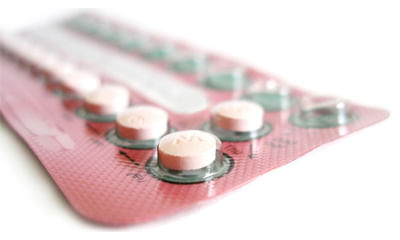
If you take the pill within 72 hours after you've had unprotected sex, levonorgestrel can reduce the risk of pregnancy by. If you take Plan B One-Step within 24 hours, it is much more effective. But you should know that Plan B One-Step is not as effective as regular contraception. Let's have a detailed discussion for better advice and healthy lifestyle.
47 people found this helpful
Asked for male, 25 years old from Delhi
Share
Bookmark
Report


Hi, i-pill is an emergency pill (as the name suggests) which is supposed to be taken only in case of emergency or once a while because after all it contains hormone levonorgestrel which can delay the menses. I-pill can work in any of the two different ways depending on where you may be in your menstrual cycle. It may stop an egg being released from the ovary. If an egg has been released, i-pill may prevent the sperm from fertilizing it. It is not always 100% effective, so if period delayed by on...more
99 people found this helpful
Asked for male, 29 years old from Mumbai
Share
Bookmark
Report
I pill is only for emergency. It is not regular family planning method. Taking repeatedly may disturb hormonal status. Not to worry, but important to know about different family planning methods and decide one of them as per her-and partner's needs. Best is to meet Gynecologist.
Asked for male, 24 years old from Visakhapatnam
Share
Bookmark
Report

Hi,
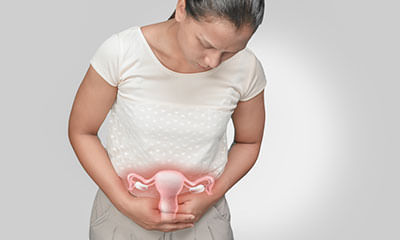
it is due to harmonal imbalance (low oestrogen levels). Take tab. M2 tone 2 tabs twice a day after food for 2-3 menstrual cycles continuously.
it is due to harmonal imbalance (low oestrogen levels). Take tab. M2 tone 2 tabs twice a day after food for 2-3 menstrual cycles continuously.
Asked for female, 19 years old from Delhi
Share
Bookmark
Report


Unwanted 72 is an emergency contraceptive pill commonly used to prevent pregnancy after unprotected sex or contraceptive failure. The pill contains a high dose of levonorgestrel, a synthetic hormone that helps prevent ovulation or fertilization of an egg.
After taking unwanted 72, withdrawal bleeding (similar to a period) usually occurs within 7 to 14 days, but it can vary for different individuals. It is important to note that withdrawal bleeding is not the same as a menstrual period. It is...more
After taking unwanted 72, withdrawal bleeding (similar to a period) usually occurs within 7 to 14 days, but it can vary for different individuals. It is important to note that withdrawal bleeding is not the same as a menstrual period. It is...more
82 people found this helpful


Ask a free question
Get FREE multiple opinions from Doctors
posted anonymously