

Platelet-rich Plasma Therapy All You Need To Know!




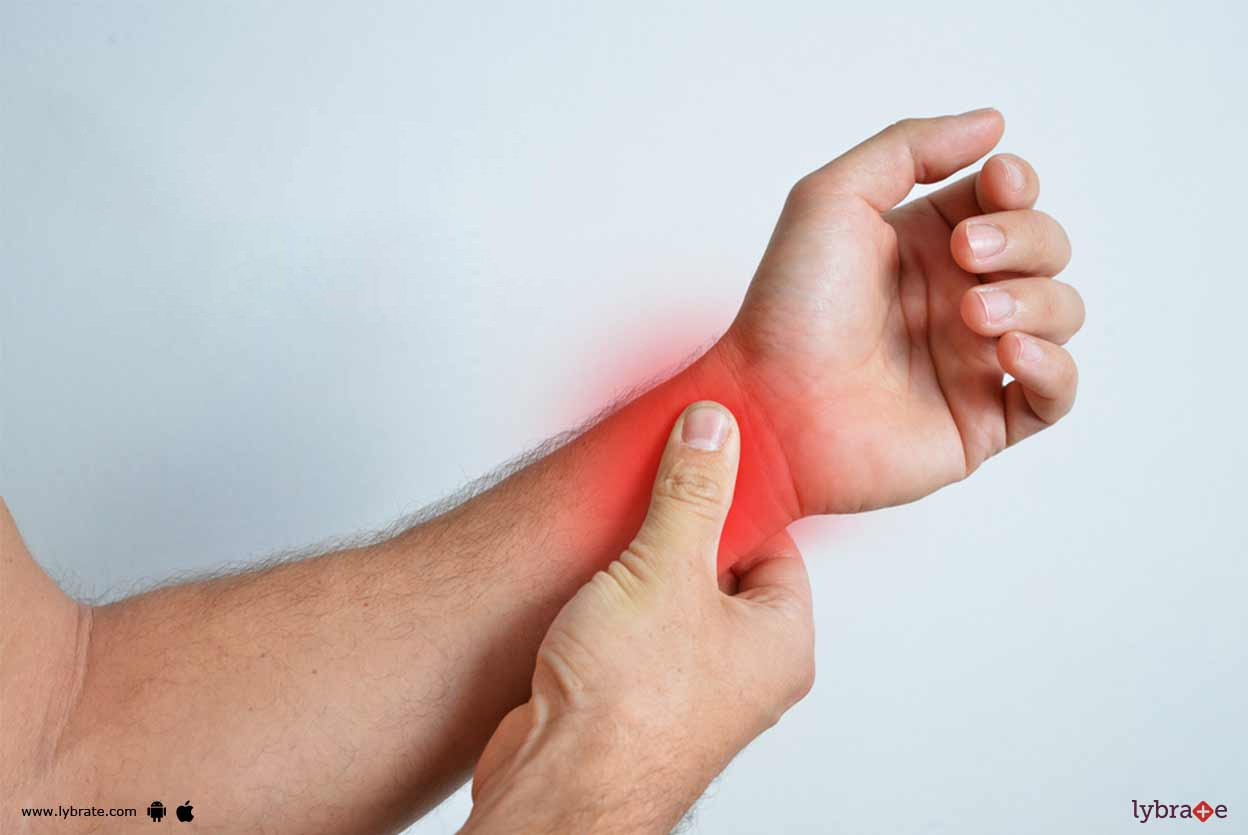
Recently, platelet-rich plasma (PRP) therapy has grabbed all the headlines in the medical domain. You may have come across the news the Tiger Woods, the famous golfer, resorted to this therapy to heal injuries. Well, doctors use PRP therapy for treating a number of health conditions such as hair fall and soft tissue healing.
Facts about PRP therapy
- In PRP therapy, PRP injections are administered. The PRP injection is prepared from the blood of the person undergoing the therapy.
- PRP therapy is used to promote healing of tissues and reduce inflammation.
How does PRP therapy work?
PRP therapy is based on the plasma in your blood. Plasma is the liquid component of the blood, the chief constituents of which are protein and water. It facilitates the movement of white and red blood cells. Platelets are special cells in your blood that gives it the ability to clot when you have an injury. The doctor will collect platelet-rich plasma from your blood and inject it in your body to heal damage to the ligaments, tendons, joints, muscles and skin.
PRP therapy – the procedure
Before you go for the therapy, your doctor will advise you to stop taking blood thinners such as ibuprofen and aspirin. You may have to stop taking certain supplements like Omega 3 fatty acids. Moreover, you need to ensure that you eat something before the procedure. Else, you may feel lightheaded. The doctor will draw blood from your arm and use a machine to segregate the platelet-rich plasma from the other components of the blood. Then the doctor will numb the region of the body that is to be treated with PRP therapy. Once the region is numb, the doctor will use a needle to inject the platelet-rich plasma in that area. In your body, this plasma will break down, which will trigger a release of growth factors in the body. This process will result in cell and tissue regeneration. The procedure usually takes around half an hour.Once the procedure is complete, you have to avoid washing the region for 2 days. You may also experience some soreness in that area for the next three days. Taking anti-inflammatory medication can bring down the swelling. If you experience intense pain, then consult your doctor immediately. The effects of the treatment are very apparent after six months from the date of the therapy. In conditions like hair fall, follow-up treatments may be necessary to sustain the effects of the therapy.
What are the benefits of PRP therapy?
PRP therapy has been used in the following areas –
- Triggering hair growth - Doctors have observed that injecting PRP into the scalp can reduce inflammation that leads to hair loss. They are proving to be a good treatment option for those with male pattern baldness.
- Lowering inflammation - PRP therapy has yielded promising results in lowering inflammation in osteoarthritis. This inflammation is the reason for stiff and painful joints.
- Healing of tissues - Injuries or damage to tissues, muscles and ligaments can be healed with PRP therapy. Few studies have found that this form of therapy in reducing pain and enhancing mobility in people with rotator cuff injuries.
Are there conditions that don’t allow you to undergo PRP therapy?
There are a few conditions that if you have them, doctors advise against PRP therapy. They are –
- Cancer
- Infections
- Anaemia
- Low blood platelet count
Are there any side effects of PRP therapy?
Some common side effects are pain, irritation and mild bleeding from the area where you were injected. You can resume your normal functioning immediately after the procedure.
Conclusion
PRP therapy has thrown up promising results in a number of studies carried out to test its efficacy. It is increasingly being seen as a treatment of the future. If you want to undergo PRP therapy, consult your doctor to determine if you are a suitable candidate.


+1.svg)
