

What is Cardiomyopathy? Find Out!


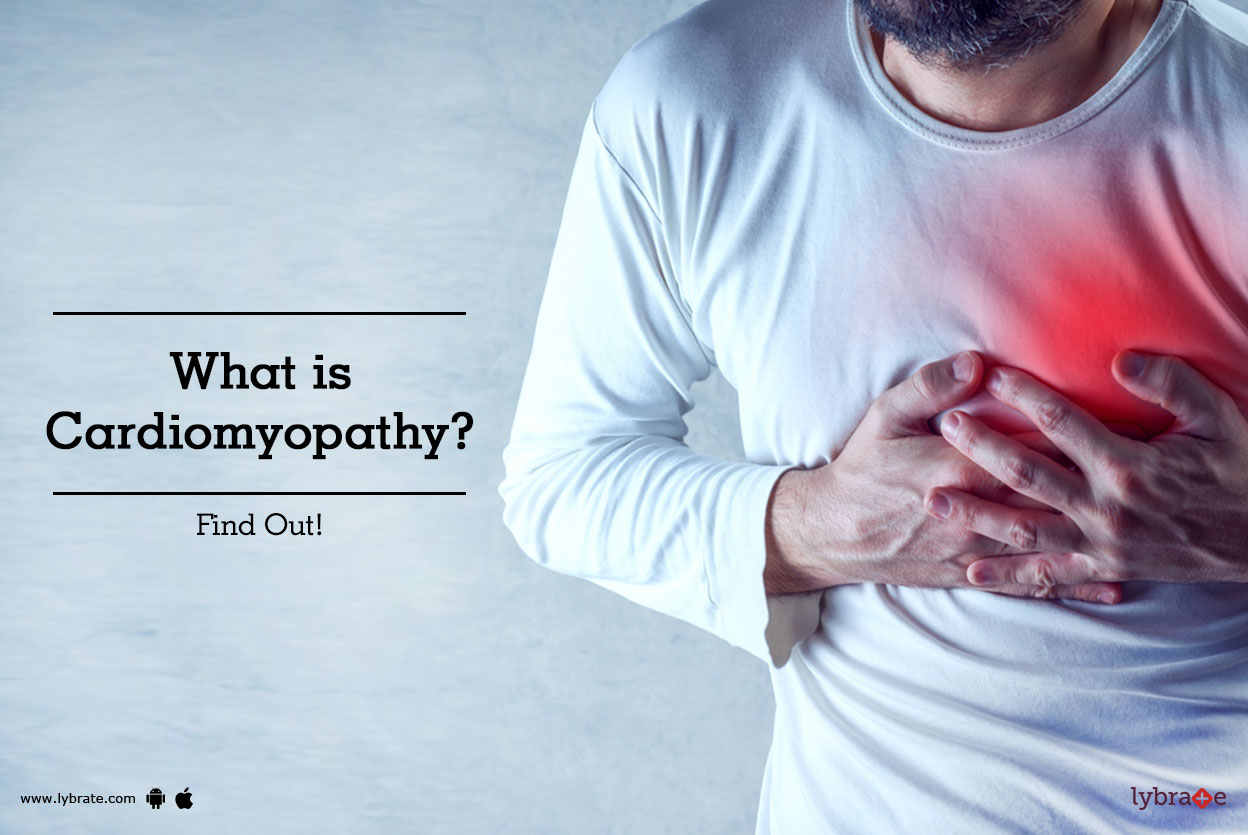
Cardiomyopathy is a heart muscle disease which makes the blood pumping process harder. The heart muscle gets progressively weak due to this disease. If it is not treated on time, then heart failure or death can be a likely outcome.
Symptoms of cardiomyopathy include:
In the early stages of cardiomyopathy, there might be no obvious symptoms. However, with time as the condition progresses, you might be able to notice the following symptoms:
-
Discomfort or heaviness in the chest
-
Feeling breathless with exertion or even at rest
-
Swelling of the legs, ankles and feet
-
Abdominal bloating
-
Cough while lying down
-
Abnormal heartbeats
-
Dizziness and lightheadedness
Cardiomyopathy has been divided into the following types:
- Dilated Cardiomyopathy: This is the most common form. In this condition your heart muscle becomes too weak to pump blood. The heart muscles stretch and become thinner, leading to the four chambers of the heart to expand causing a pathology called an enlarged heart.
- Hypertrophic Cardiomyopathy: This happens due to genetics. It occurs when the walls of your heart thicken and prevent the flow of blood through the natural pump.
- Arrhythmogenic Right Ventricular Dysplasia: This is a rare form of cardiomyopathy. It causes sudden deaths of athletes and happens when fat and fibrous tissues replace muscle in the right ventricle of the heart.
- Restrictive Cardiomyopathy: This is the least common form of the disease. The cause is the stiffening of the ventricles, the part of the blood which receives blood. When these stiffen, the heart doesn’t get enough blood to oxygenate. Scarring of the heart due to heart disease and a heart transplant operation can be a cause of this stiffening.
- Ischemic Cardiomyopathy: Ischemic cardiomyopathy is caused due to coronary artery disease which causes blood vessels supplying blood to the heart to become narrow. The heart doesn’t get enough oxygen and a person can die due to a heart attack.
The risk of cardiomyopathy can be reduced by living a heart-healthy lifestyle. So, consult with your doctor and seek guidance on what to do and what to avoid.


+1.svg)
