

The No-drug Approach To Mild Depression - Four Therapies That May Help Relieve Your Symptoms!




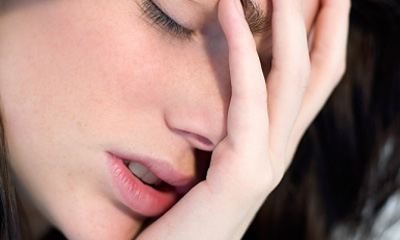
Many Indians suffers bouts of mild or moderate depression as they age. Health issues, stress at work, small fights between the couple are common triggers that can lead to persistent sadness and loss of enjoyment.
Many people don't want to take any antidepressants or are sensitive to their common side effects, such as dry mouth, dizziness, sleepiness, and weight gain or due to stigma. Fortunately, there are nondrug options available to help treat and manage mild depression. These are also ideal as a preventive measure for people who have yet to experience depression but may have a family history of the disease and are at high risk, as well as those who have had past episodes and want to avoid future ones or be better prepared if they occur.
Always consult with your doctor if you experience symptoms of depression. Depending on the severity of your condition, medication may be appropriate, at least in the short term. Otherwise, you may be able to manage and even prevent episodes of depression with these four nondrug strategies.
Exercise
There is strong evidence that any kind of regular exercise is one of the best antidepressants. It not only helps keep your current mental state from getting worse, but it can prevent mild depression from becoming a more severe depression. Exercise helps to lower symptoms of anxiety, improve sleep quality, and boost energy levels.
Exercise combats depression by enhancing endorphins — natural chemicals that create a sense of euphoria. Some research has suggested aerobic exercise can have an especially strong antidepressant effect.
A research article found that people with major depression who engaged in an average of 45 minutes of moderate-intensity aerobic exercise three days a week for at least two months experienced a greater antidepressant effect compared with those who did minimal exercise.
Still, any type of exercise or level of intensity is helpful. Focus on doing whatever gives you enjoyment, as regular movement is key. When we look at societies around the world that have the lowest levels of depression and the highest quality of life, they don't go to gyms, but instead, incorporate a lot of movement during their days. Your exercise could be as simple as a daily walk, attending to your garden, or working on house projects.
Nutrition
When it comes to nutrition and depression, focusing on what not to eat. "Research on what nutrients can help protect against depression symptoms is ongoing, but curbing refined sugar found in sweets, soft drinks, and processed foods may be especially beneficial.
A study that examined the diets of 8,000 men found that those who consumed 67 grams or more of sugar per day — equal to sugars in about six cups of coffee — were 23% more likely to be diagnosed with depression compared with men who ate 40 grams or less.
The connection? The brain depends on an even supply of glucose, and too much sugar can trigger extreme emotional highs followed by extreme lows. When you are depressed, you want to feel good, which is why you crave feel-good sweets and not kale, but this can make your symptoms worse. A solution is to always have healthy snacks on hand when sugar cravings hit. So instead of sweets, you can have a piece of fruit or a handful of nuts. This can help break your sugar dependency and not fuel your depression.
Gratitude
Expressing gratitude has been shown to have a positive emotional effect on people with depression. A study found that writing down what you appreciate in your life can increase activity in the medial prefrontal cortex, the brain region often associated with depression.
You might be grateful for something as simple as encountering all green lights as you drive, or somebody holding the door for you as you enter the building. Begin a journal where you record examples of what inspires your gratitude and reflect on those entries for a mood boost when you feel low. You don't have to write every day — some research has found that even just once a week is helpful.
Also, don't just list people and things for which you're grateful, but try to provide details about why you are grateful and how they improve your life.
Social connection
The evidence is clear that social isolation increases a person's risk of depression and can make symptoms more severe and longer-lasting. Of course, when you are depressed, socializing is even more difficult. One solution is to join a group devoted to something for which you have a strong passion.
For instance, volunteering for a favorite cause can keep you connected with others on a regular basis, plus you have the extra motivation to engage because of your personal interest. Another way is to join a team that plays a sport you like, such as cricket, football or tennis. Using Social media does not increase social connection.
Despite trying everything, when you think that the situation is getting out of hand, there is no wrong in asking for help which is just around the corner. Visit a Psychiatrist or seek professional help because as Superman (Christopher Reeve) says "Once you choose hope, anything is possible


+1.svg)
