

How Gestational Diabetes can impact your baby's health?




Becoming a mother is a major milestone in the lives of most women. If you are either pregnant or planning to conceive, you would know the joy of carrying a life in your womb. But the happiness carries with it the added responsibility of the little one. In fact, you have to take extra care as you begin to experience pregnancy-related changes in your body. While most of the changes are normal, some might be linked to serious health issues such as Gestational Diabetes.
What is Gestational Diabetes?
Gestational Diabetes is defined as any degree of glucose intolerance that can happen during pregnancy. High blood sugar levels due to Gestational Diabetes can affect your pregnancy and your baby's health. Usually, your blood sugar levels will return to normal soon after delivery. But if you've had this condition, then you are at increased risk for Type 2 Diabetes after pregnancy. Moreover, the condition can cause complications during delivery and adversely impact the health of your baby.
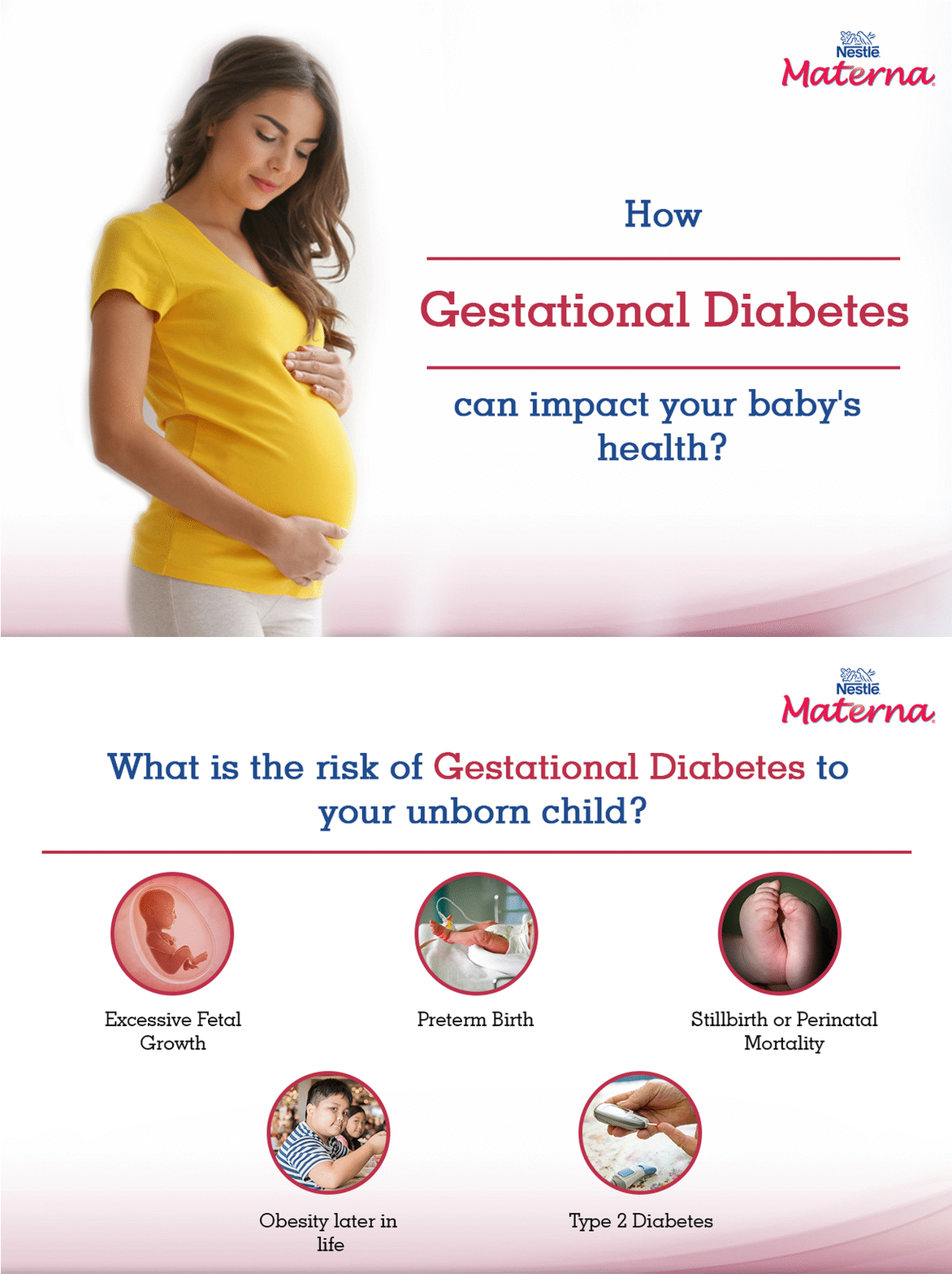
What is the risk to your unborn child?
The risks posed by Gestational Diabetes to your baby include:
-
Excessive fetal growth
Gestational Diabetes can cause your baby to grow too large. As a result, your baby is more likely to get struck in birth canal, sustain birth injuries or require a caesarean-section birth.
-
Pre-term Birth
If you have high blood sugar levels during pregnancy, then your baby is at increased risk of preterm birth. Your doctor may recommend early delivery if the baby is large.
-
Stillbirth or perinatal mortality:
Gestational Diabetes can lead to serious risk of perinatal mortality or stillbirth of the infant.
-
Type 2 Diabetes
Children born to mothers with Gestational Diabetes are at an increased risk of developing Type 2 diabetes later in life
-
Obesity later in life
Since, Gestational Diabetes leads passing of higher blood glucose through the placenta to foetus, it can make the baby more prone to developing obesity.
The risks make it clear that you should take this condition seriously. Take necessary precautions, including Dietary and Lifestyle modifications and nutritional supplements containing myo-inositol and probiotics in order to control your blood sugar during pregnancy and prevent the risk of developing Gestational Diabetes.


+1.svg)
