

Oxygen Levels, Pulse Oximeters, and COVID-19




'Many people with COVID-19 have low levels of oxygen in their blood, even when they feel well. Low oxygen levels can be an early warning sign that medical care is needed.
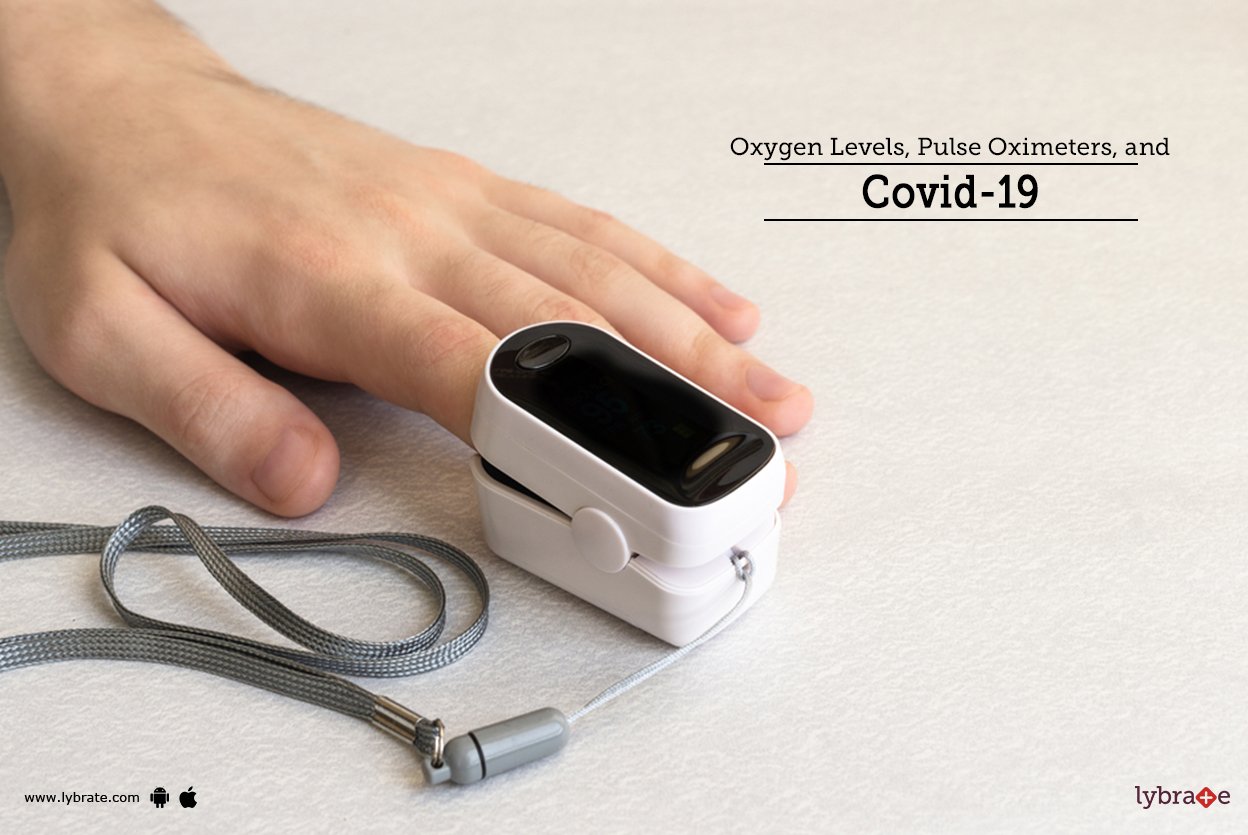
A pulse oximeter measures how much oxygen is in someone’s blood. It is a small device that clips onto a finger, or another part of the body. They are used often in hospitals and clinics and can be bought to use at home.
Doctors do not recommend using a pulse oximeter as a way to tell if someone has COVID-19. Get tested if you have signs of COVID-19 or if you have been close to someone who has it.
If someone has COVID-19, a pulse oximeter may help them keep watch over their health and to know if they need medical care. However, while a pulse oximeter may help someone feel like they have some control over their health, it does not tell the whole story. Oxygen level measured by a pulse oximeter is not the only way to know how sick someone is. Some people may feel very sick and have good oxygen levels, and some may feel OK, but have poor oxygen levels.
Can a pulse oximeter tell if someone has COVID-19?
Pulse oximetry results may not be as accurate for people with darker skin. Their oxygen levels are sometimes reported as higher than they really are. People who check their own oxygen levels, or those who check it for them, should keep this in mind when looking at results.
Oxygen levels may be low if someone feels short of breath, is breathing faster than usual, or feels too sick to do their usual daily activities, even if a pulse oximeter says their oxygen levels are normal. Call a doctor or another health care provider right away if you have these symptoms.
How to use Oximeter?
Make sure that your hands are at normal temperature, warm them a film if you feel they're cold. Rest and make your body relaxed before putting on the pulse oximeter. Place the pulse oximeter on your index or middle finger. Keep the pulse oximeter on your finger for at least a minute, till the reading stabilises.
What are normal readings?
A normal level of oxygen is usually 95% or higher. Some people with chronic lung disease or sleep apnea can have normal levels around 90%. The “SpO2” reading on a pulse oximeter shows the percentage of oxygen in someone’s blood.
If your home SpO2 reading is lower than 95%, call your health care provider.'


+1.svg)
