

Deep Vein Thrombosis (DVT)




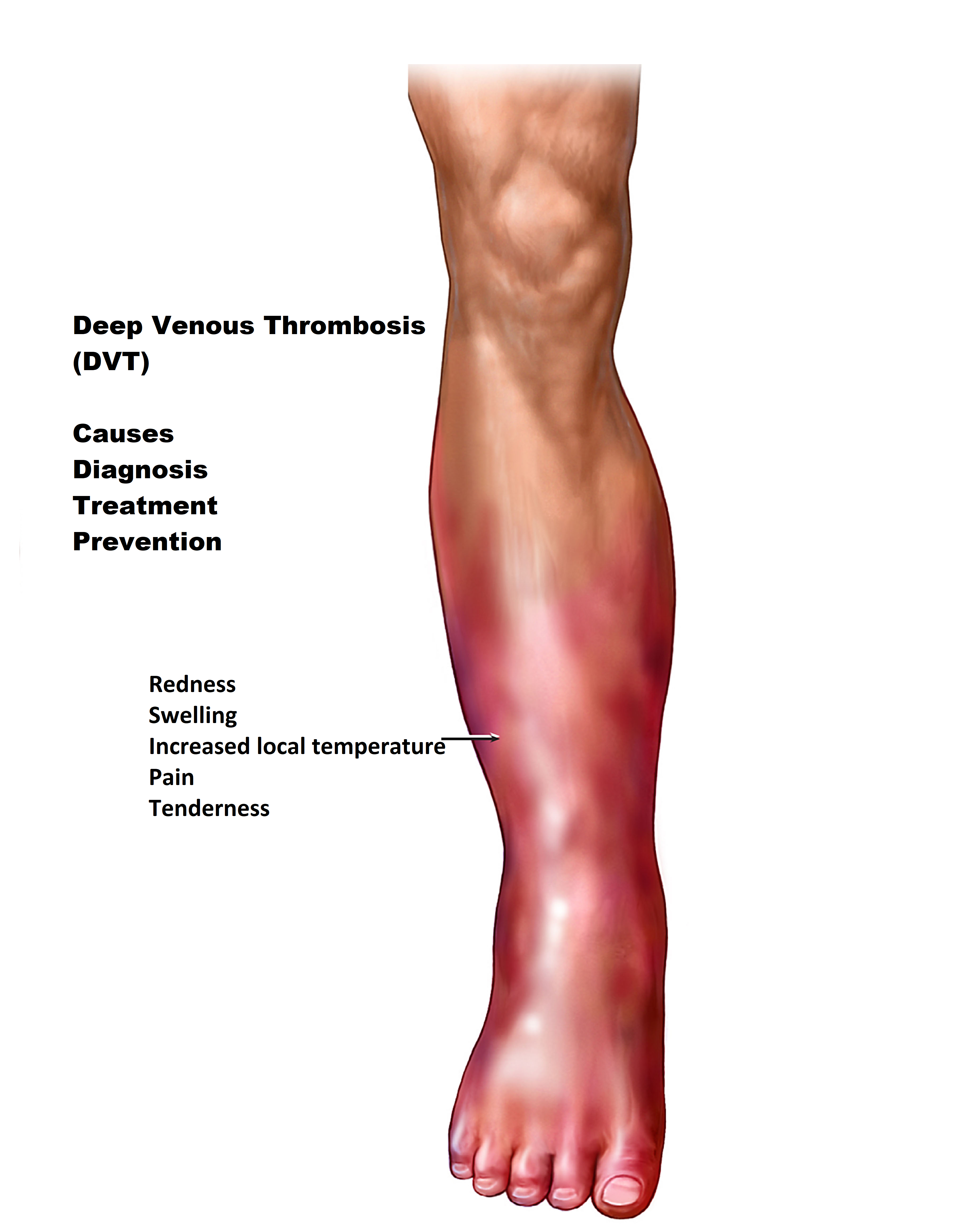
Deep Venous Thrombosis (DVT)
Section 1: Understanding Deep Venous Thrombosis (DVT)
DVT: Formation of blood clots in deep veins, often in legs or pelvis.
Complications: DVT can lead to life-threatening pulmonary embolism.
Important points: Blood clot formation obstructs blood flow, causing swelling and inflammation.
Section 2: Causes and Risk Factors
Causes: Prolonged immobility, injuries to blood vessels, medical conditions, and hormonal changes increase the risk.
Important points: Immobility during travel or bed rest, medical conditions like cancer or heart failure, and genetic factors increase susceptibility.
Section 3: Signs and Symptoms
Symptoms: Swelling, warmth, tenderness, pain, redness, and dilated surface veins.
Important points: Recognize symptoms promptly, as some individuals may not have noticeable signs.
Section 4: Diagnosis and Evaluation
Diagnostic methods: Physical examination and imaging tests like Doppler ultrasound detect DVT.
Blood test: D-Dimer measures clot breakdown substances.
Important points: Seek medical advice for suspected DVT to undergo evaluation.
Section 5: Treatment and Management
Medications: Anticoagulants prevent clotting and promote clot dissolution.
Compression therapy: Reduces swelling.
Lifestyle changes: Exercise, weight management, and mobility reduce recurrence risk.
Important points: Medications, compression therapy, and lifestyle changes are essential in treatment and management.
Section 6: Prevention Strategies
Prevention: Regular exercise, weight management, leg exercises during travel, hydration, and early mobilization during hospitalization.
Important points: Emphasize lifestyle modifications, travel precautions, and proactive measures in healthcare settings.
Conclusion:
This blog aims to raise awareness about DVT, covering causes, symptoms, diagnosis, treatment, and prevention. Recognizing symptoms, seeking medical advice, and implementing preventive strategies are key. Empower individuals to take proactive steps for vascular health.


+1.svg)
