

What Are The Risks Of Gallbladder Removal?




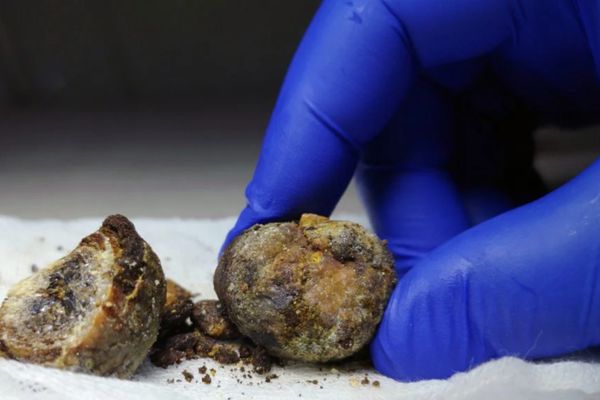
Have you been experiencing abdominal discomfort for quite some time accompanied by nausea and bloating? Over-the-counter medicines don’t help anymore? It’s high time you consult a doctor. You may think it is a simple case of indigestion but it could be a severe case of acute cholecystitis which is an inflammation of the gall bladder. It is caused when gallstones present in the gall bladder block the bile duct. The gall bladder is a small, pear-shaped organ located in the upper right part of the abdomen. Its primary function is to store and concentrate bile, a digestive fluid produced by the liver that helps to digest fats.
In such severe cases, doctors recommend their patients undergo cholecystectomy, a surgical procedure to remove the gallbladder. However, like any surgery, there are risks associated with gall bladder removal procedures, too.
Usually, the gallbladder is removed in one of two ways:
1. Laparoscopic cholecystectomy is a minimally invasive procedure, where the organ is removed via several small incisions in the abdomen.
2. Open cholecystectomy is a more invasive surgery where the surgeon makes a single large incision in the abdomen to access the gallbladder. While both procedures carry risks and benefits, laparoscopic cholecystectomy typically has a shorter recovery time and lower risk of infection or complications than open cholecystectomy.


+1.svg)
